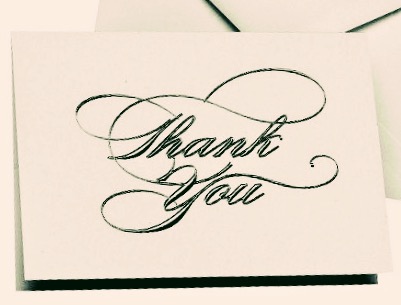
The height of bad form is in the use of anything startling or pronounced. Paper that rivals the sunset in gorgeousness of hue, odd shaped sheets and envelopes or gilt edged paper stamp the user at once as one who is not familiar with the precepts of fashion.
Etiquette in Note Paper...
Cautions That the Delicate and Refined Woman Should Remember
If there is any one thing in the world that may be said to denote the breeding of a person it is in the taste displayed in the use of note paper. Fashions change but slightly in that line, and artistic simplicity is the form to be sought after. There is nothing so offensive as eccentricity in styles of paper, for it is one of the little things that seem so trivial and count for so much in the eyes of the world.
The height of bad form is in the use of anything startling or pronounced. Paper that rivals the sunset in gorgeousness of hue, odd shaped sheets and envelopes or gilt edged paper stamp the user at once as one who is not familiar with the precepts of fashion. And not fashion alone, by any means; it is refinement that is shown in the use of proper stationery, and refinement and fashion may not always mean the same.
Never use a paper that is decorated with flowers in one corner, the leaves of which wander all over the sheet. Avoid anything in that way. A landscape resembling a Christmas card or fancy figures for headings are not in their proper places on note paper. There is nothing artistic in such forms, nothing refined, simply a display of bad taste and ill breeding that is shocking to the person well informed on such matters. The etiquette of note paper is dictated by taste.
Ladies should use only the smaller size of paper, requiring but one fold, and the envelope should be square. The single correspondence cards have gone out of style and are seldom seen nowadays. The paper is generally linen or cream laid, as best suits individual taste and should be unruled. White or cream paper is the best, although a gentle shade of blue is permitted. Other tints are not desirable, neither are they proper. Do not use paper that is ragged at the edges nor envelopes with curious flaps.
The best linen paper may be purchased at the same price as is paid for the fancy varieties, and the best is the cheapest: it is a guarantee of refinement. If a monogram is desired, have it engraved—never printed. In this country coats of arms and crests are out of place, but you may have a neat monogram or your initials for a heading with perfect propriety, only be sure that the work is in keeping with taste and not too prominent or glaring.
The name of your country place is very good, the name of the village in which you live, or the street number, if you chance to reside in a city. In the latter case, however, omit the name of the town, and in either case the state should not be given. This is but a glance at the etiquette of note paper; it is very simple when you think of it, but so many people seem to be ignorant of the rules. The one great thing in note paper is to avoid vulgarity or show in any way, and then you know that you cannot be wrong. The simplest is the best. Oddities of tint or ornament which are the caprice of a day should be used with caution.—Harpers Bazar, 1892
Etiquette Enthusiast, Maura J. Graber, is the Site Editor for the Etiquipedia Etiquette Encyclopedia