Showing posts with label Domestic Servants in Victorian England. Show all posts

Saturday, June 27, 2020

Etiquette of Servants’ Balls

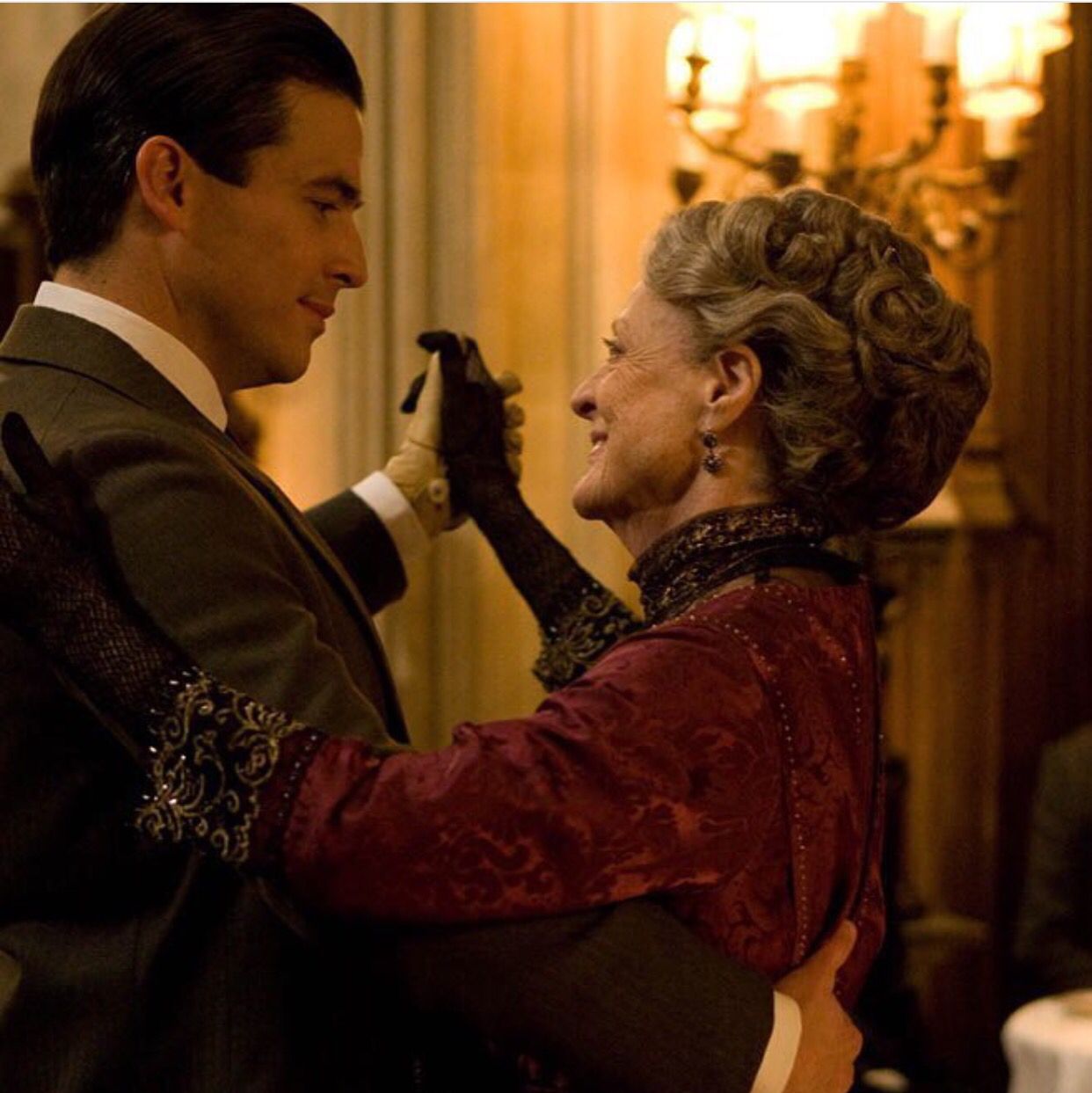
English aristocracy glories in this annual abjuration of pride and prejudice and on the truly republican instincts which permits, nay commands, a Duchess to dance with her cook or coachman, and encourages her daughters to waltz with a footman. Lady Salisbury, after performing a similar act, observed to a foreigner; “If you want to see true democracy, here it is.” This sentiment is not sincere, and does not deceive either the one who emits it or the recipients of these honors.
— Photo source, Pinterest

Lord Salisbury’s Annual Ball
Aristocracy Dancing with the Servants— Annual Abjuration of Pride

When the long table is surrounded by women glittering with the diamonds so profusely worn, when the magnificent gold and silver plate lends its massive splendor to the wealth of crystal, flowers and fruit, the lofty apartments in the white chaste light involuntarily recalls the gorgeous scenes painted by Veronese. The liveries worn by the twenty tall footmen of the noble are at once simple and tasteful—black coat, blue breeches and white waistcoat, and silken hose gartered with silver. The servants’ ball takes place in the winter dining-room, decorated with some flowers and greenery and provided with a small orchestra. Refreshments are adjoining apartment and a stand-up supper in the marble hall. 

English aristocracy glories in this annual abjuration of pride and prejudice and on the truly republican instincts which permits, nay commands, a Duchess to dance with her cook or coachman, and encourages her daughters to waltz with a footman. Lady Salisbury, after performing a similar act, observed to a foreigner; “If you want to see true democracy, here it is.” This sentiment is not sincere, and does not deceive either the one who emits it or the recipients of these honors. The upper and under servants preserve a stifled and embarrassed, almost an antagonistic, attitude as long as their superiors are present, and eye the quality with ill-concealed distrust. They flatten themselves stiffly against the wall while Lady Salisbury passes with her guests, and addresses a word to each before the dancing commences. 

There is more of feudal pomp than hearty equality in the custom. The French chef, to whom the visitor was rather ostentatiously introduced by the son of the house, admitted that he had been several years in the establishment, and liked England well enough. Then he suddenly and almost angrily exclaimed: “But I did my duty in 1870. I served in the Carabineers, and am not one of them.” He was evidently not won over by the mock favor, and rather resented it than otherwise, as an added display of superiority and a showing off of the number of retainers and generosity of employers. The upper servants themselves stand on their dignity, and rarely condescend to dance with the underlings, this being considered an infringement of domestic etiquette. 

The real enjoyment only begins after midnight, when the hostess retires with her friends. With the exception of the ladies’ maids, the women are absurdly and grotesquely attired—cotton velvet, red gloves, short muslins being common features. Each servant is authorized to issue two invitations. No control is placed on the duration of the revels, the housekeeper and head butler assuming the functions of Master of the Ceremonies: but the next morning all must return to their respective duties, and no trace remains of the festivities of the night, while the whole palatial establishment of Hatfield resumes the even, aristocratic tenor of its way. —London Correspondent, New York Sun, 1886


Etiquette Enthusiast, Maura J Graber, is the Site Editor for the Etiquipedia© Etiquette Encyclopedia

More English Servant Etiquette

The English servants are good-looking, neat and constitutional flunkeys and flunkeyesses. They are very shrewd, and have their class rules as well defined as any trade union. Downing Street does not possess more pigeon-holes and red tape than a mansion of the wealthy. An upper house-maid would die at the stake before she would do a bit of work that came within the province of the under house-maid.

Swell Servants in London

Says a London correspondent of the Cincinnati Commercial: “Although all hopes of recovering the jewels ot Lady Dudley has vanished—their real value was £30,000 there is still a good deal of speculation about their disappearance, and a pretty general belief that some of his lordship's servants must have been at least an accomplice in the transaction. It is difficult to believe that a box of such value intrusted to the care of servants could have disappeared in a railway station from unwilling bauds, or that an outside thief could have known so much about the movements of the family, as to have been on the spot at the precise moment. However this may be, there is no doubt that the English nobility, have a way of employing servants which offers grand opportunities to rogues, in most cases the outside of the servants is the chief thing. 


If the coachman or footman is looking in his livery and of the required dimensions, his character is not inquired into. A well known Duke recently advertised for a footman of exactly five feet eleven and a half inches, whose sole business it would be to stand at tbe back of his coach beside another of like station. A youth, now in the employ of a lady of my acquaintance, applied for the advertised position, and says that his character was not asked for— he was taken into the servants’ hall and measured, and dismissed for lacking the half inch demanded by the Duke. There is a passion tor tallness in servants, and of one noble family, at least, it is a rule to admit no man servant under six feet. There are six of these eminent personages in their fine mansions. The English servants are good-looking, neat and constitutional flunkeys and flunkeyesses. They are very shrewd, and have their class rules as well defined as any trade union. Downing Street does not possess more pigeon-holes and red tape than a mansion of the wealthy. An upper house-maid would die at the stake before she would do a bit of work that came within the province of the under house-maid.

A swell butler would throw up his position in the face of the Lord Chancellor himself if he were expected to black his own boots. There are many boys of thirteen kept in brass buttons, and in many an instance the sole duty of this boy is to brush the clothes and boots of tbe butler, the master of the house having his own separate valet. Of course, it is not pride which has made the inflexible laws of etiquette among these servants, which they refuse to step out of; an official groove or function. It is the determination of their class to preserve the conventional number the servants required for any first class household. They particularly dislike servants from other countries, especially the Germans, because; if well paid and well treated they will do anything requested of them. — Sacramento Daily Union, 1875


Etiquette Enthusiast, Maura J Graber, is the Site Editor for the Etiquipedia© Etiquette Encyclopedia

Saturday, April 1, 2017

Etiquette and Swell Servants

 There is no doubt that the English nobility, have a way of employing servants which offers grand opportunities to rogues. 

The Swell Servants in England

''Although all hopes of recovering the jewels of Lady Dudley has vanished—their real value was £30,000 there is still a good deal of speculation about their disappearance, and a pretty general belief that some of His Lordship's servants must have been at least an accomplice in the transaction. It is difficult to believe that a box of such value entrusted to the care of servants could have disappeared in a railway station from unwilling hands, or that an outside thief could have known so much about the movements of the family as to have been on the spot at the precise moment. However this may be, there is no doubt that the English nobility, have a way of employing servants which offers grand opportunities to rogues.

In most cases the outside of the servants is the chief thing. If the coachman or footman is good-looking in his livery and of the required dimensions, his character is not inquired into. A well known Duke recently advertised for a footman of exactly five feet eleven and a half inches, whose sole business it would be to stand at the back of his coach beside another of like station. A youth, now in the employ of a lady of my acquaintance, applied for the advertised position, and says that his character was not asked for— he was taken into the servants' hall , and measured, and dismissed for lacking the half inch demanded by the Duke.

There is a passion tor tallness in servants, and of one noble family, at least, it is a rule to admit no man servant under six feet. There are six of these eminent personages in their fine mansions. The English servants are good-looking, neat and constitutional flunkeys and flunkeyesses. They are very shrewd, and have their class rules as well defined as any trade union. Downing street does not possess more pigeon-holes and red tape than a mansion of the wealthy. 

An upper house-maid would die at the stake before she would do a bit of work that came within the province of the under house-maid. A swell butler would throw up his position in the face of the Lord Chancellor himself if he were expected to black his own boots. There are many boys of thirteen kept in brass buttons, and in many an instance the sole duty of this boy is to brush the clothes and boots of the butler, the master of the house having his own separate valet.

Of course, it is not pride which has made the inflexible laws of etiquette among these servants, which they refuse to step out of an official groove or function. It is the determination of their class to preserve the conventional number of the servants required for any first-class household. They particularly dislike servants from other countries, especially the Germans, because if well paid, and well treated, they will do anything requested of them."— London Correspondent of the Cincinnati Commercial, 1875


Etiquette Enthusiast, Maura J Graber, is the Site Editor for the Etiquipedia© Etiquette Encyclopedia