Showing posts with label Utensil Signals. Show all posts

Saturday, October 19, 2024

Etiquette and Utensil Signals

Using Utensil Placement 

to

Send Signals to Servers

A Second Debut of a Very Popular Article from 2019
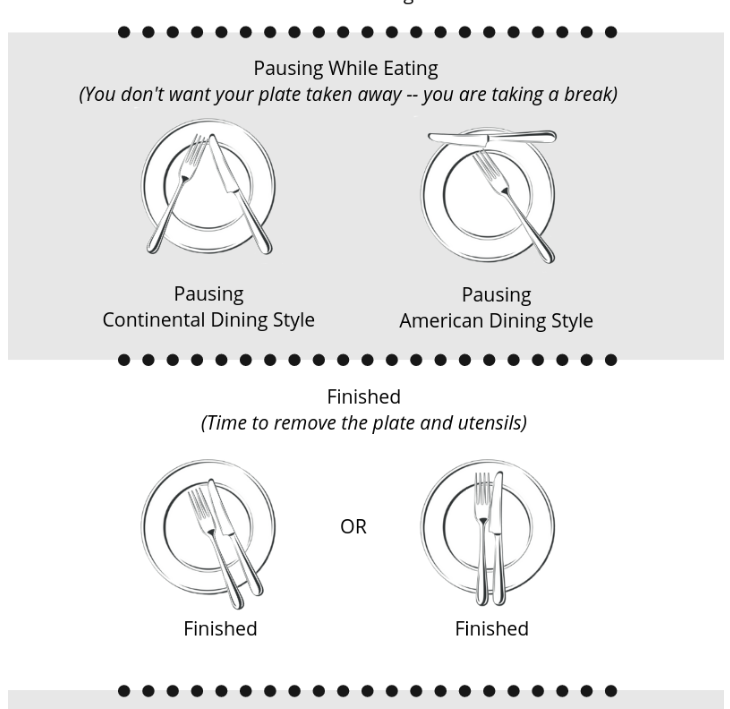
Utensil Placements
Misinformation abounds on the internet.  This is just as true with etiquette information as it is with any other subject.

When I saw a graphic circulating on social media depicting the positions of dining utensils to signal a message to a server, I had to set the record straight. In fact, fellow Etiquette Enthusiast and Educator, Maura Graber, site moderator and editor of Etiquipedia(c) Etiquette Encyclopedia has been fighting an uphill battle to call attention to a particular false  infographic that appears on dozens of websites in the U.S. and other countries where knives and forks are used. 

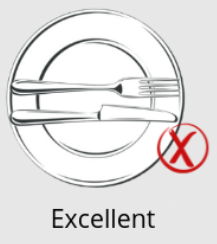
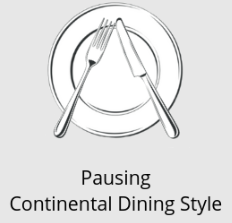
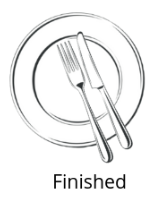
The graphic I am referring to illustrates five positions in which you can place your knife and fork to relay a message to your server.  (Two, the Pausing and Finished shown above are correct.)
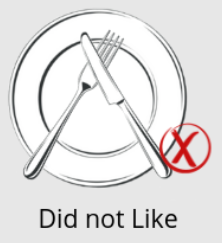
Three of the five positions illustrated demonstrate very poor etiquette and are actually rude to the server.  


From the Server’s Perspective

The job of your server is to receive your food and drink order, deliver it to your table when ready, and take your plate away when you are finished eating.

Servers are busy -- juggling multiple tables and lots of information truly does take talent.  The “pause” and “finished” utensil positions let her know at a glance whether your table has plates to be removed, or if she can continue with other tasks.
Utensils placed in the “paused” or “resting” position let your server know you are not finished eating and your plate does not need to be removed.
Utensils placed in the “finished” position let your server know you have finished eating and she may take your plate.
Neither of these utensil signals require verbal communication for your server to know what action to take.  In other words, they make your server’s job easier and prevent additional disruptions in your table conversation.

Two – and Only Two - Signals

Dining etiquette involves not only proper use of your utensils while eating, but using them to signal information that makes dining pleasant for everyone. 

Servers appreciate you letting them know what assistance you require from them.  And non-verbal signals are a small but significant part of civilized dining.

However, the only signals your server needs to receive via utensil placement is whether you are pausing during your meal, or whether you are finished with your meal.  There is no tradition anywhere that requires any other signals.  Attempting to do so only causes confusion.

I am joining Ms. Graber and other informed etiquette consultants urging you to ignore any image teaching inappropriate communication to diners and restaurant servers.  Won’t you join us?  
You can download the infographic here that shows correct and incorrect utensil placement signals.


Contributor, Candace Smith is a retired, national award-winning secondary school educator, Candace Smith teaches university students and professionals the soft skills of etiquette and protocol. She found these skills necessary in her own life after her husband received international recognition in 2002. Plunged into a new “normal” of travel and formal social gatherings with global leaders, she discovered how uncomfortable she was in many important social situations. After extensive training in etiquette and protocol, Candace realized a markedly increased confidence level in meeting and greeting and dining skills and was inspired to share these skills that will help others gain comfort and confidence in dining and networking situations. Learn more at http://www.candacesmithetiquette.com/


🍽Etiquette Enthusiast, Maura J. Graber, is the Site Editor for the Etiquipedia© Etiquette Encyclopedia

Sunday, March 10, 2024

Rude Infographics : A Refresher

The images and information shown here are mostly what I call etiquette gobbledegook!

“Bring Complaints Book”? This graphic is just more etiquette nonsense!

Etiquipedia has addressed these crazy infographics before, but they are multiplying. Most of these pictured are, for lack of better words, etiquette nonsense. Etiquette gibberish.

Other than “Pause” and “Finished”, these are etiquette nonsense… gibberish! And sadly we’ve seen these in numerous other languages than just English!

Someone sent this graphic to me, asking for my thoughts. I think this graphic and others like it, need to be removed from anyone’s site who claims to be promoting or teaching etiquette. I think they are ridiculous.
How rude! If you were a chef, host or hostess, would you want guests signaling, “Expecting another course” ore “I didn’t like it” to you?!?


Etiquipedia has an open mind and is more than happy to explore etiquette from all over the world, but not in this case. Teaching or promoting silent commands like, “I still eat” “Do not take the plate” or “The meal is over” is questionable at best, incredibly rude and makes extra work for others!

There are only 2 sets of depictions on this infographic which actually mean anything:

1. The positions actually signaled by both depictions of “the meal is over” (though we prefer the word “finished” — unless someone has put you in charge and you cannot help but be pompous —and we also prefer that utensils sit more to one side of the plate, to enable easier and quieter removal for the wait staff).

2. The “I still eat” and “Do not take the plate” depictions, which sound hostile and clunky. We prefer “pause” or “rest position” (though we prefer the “12:00 and 3:00” for one’s knife and “7:00 or 5:00” for one’s fork). Such passive aggressive messages, supposedly being sent by “I wait new dish” and “service was bad” are not only cumbersome for graceful plate and utensil removal by the wait staff, but outright insulting, if one were to convey them verbally to those waiting on tables, cooking or hosting.

No restaurant or wait staff would recognize any of the depictions other than the utensil placement if one is resting or pausing and when one is finished dining. These are the only times utensils can be used as subtle messaging. Trust us... We’ve asked! And if a waiter or server believes someone is sending non-verbal messages like the overtly rude, “Bring Complaints Book”, let’s just hope the next course arrives in truly edible and sanitary condition.

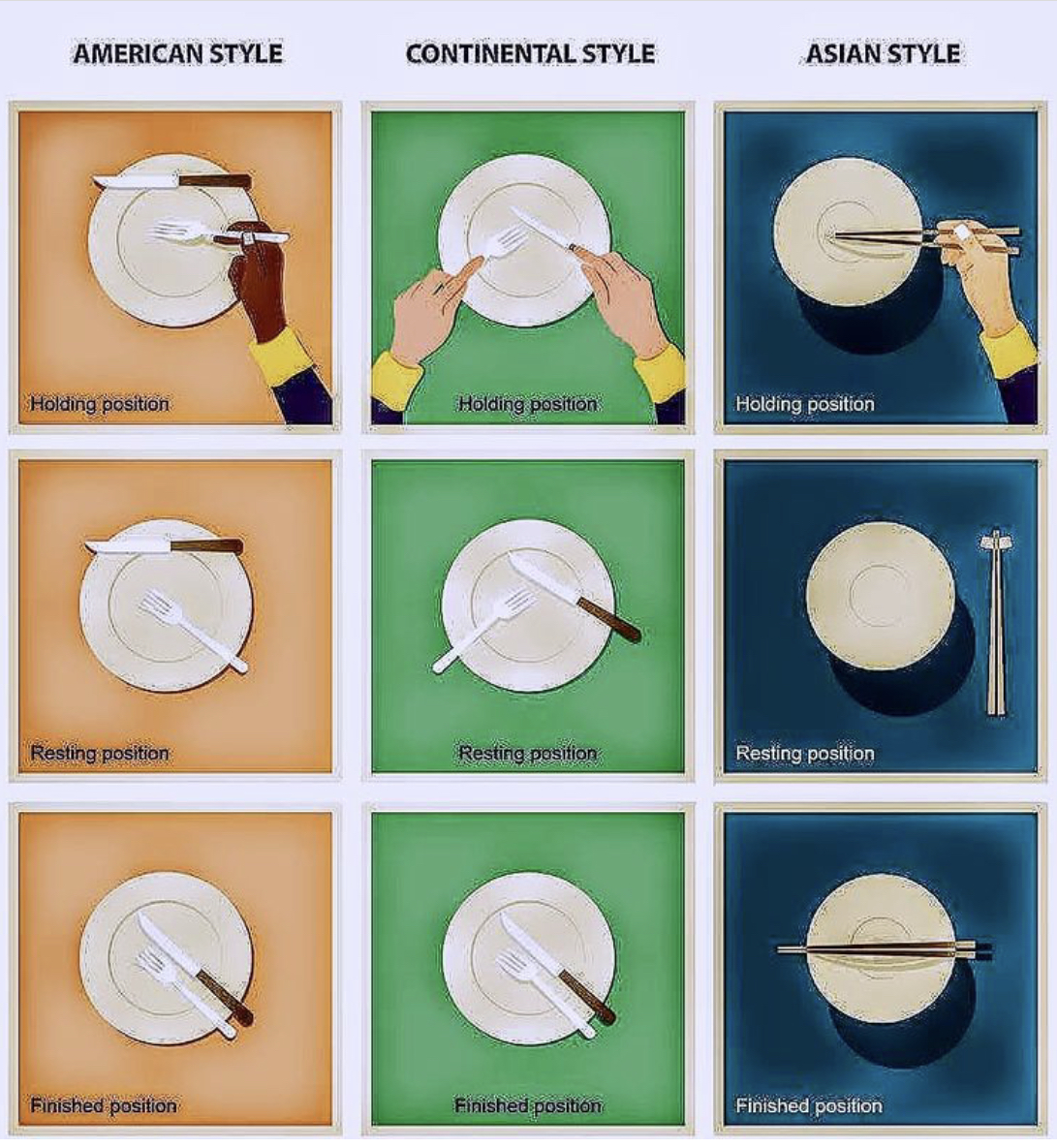
Kudos to whomever created THIS image! It is the one in which everything is correct!


🍽Etiquette Enthusiast, Maura J. Graber, is the Site Editor for the Etiquipedia© Etiquette Encyclopedia 

Monday, August 1, 2022

Tactfully Teaching Table Etiquette

“James,” she said, with quick tact, looking all around among the tables, “did you ever notice that men and women eat differently? When a man finishes a meal he always places his knife and fork across each other, while a woman invariably places them side by side. It's funny, but I've often noticed it.”


A Tactful Girl:
The Way She Gave James a Lesson in Table Etiquette


They were an engaged young couple and were having a quiet dinner while the band played alluring music. The girl was sweet and refined looking and the man big and strong. Her manners were perfect, but his left much to be desired as far as etiquette is concerned. After they had finished their meal an interested observer noticed that the big, wholesome man placed his knife and fork like the crossbones under the skull. With a blush the girl, whose own implements were placed correctly side by side, noticed the break.

“James,” she said, with quick tact, looking all around among the tables, “did you ever notice that men and women eat differently? When a man finishes a meal he always places his knife and fork across each other, while a woman invariably places them side by side. It's funny, but I've often noticed it.”

“Which is correct?” anxiously questioned her fiance while he gingerly toyed with the objects of comment.

“Why, placing them side by side, dear, of course,” she said. “But, then, men are so busy that I suppose they have no time for such details.” And then she became interested in the band leader, while the erring James slyly adjusted his knife and fork according to regulations.

“There's a woman who is going to manage her husband without letting him know it,” observed a sweet old lady who had overheard. “It all depends upon the way you do it, whether you can get a man to come round.” Philadelphia Record, 1905


🍽Etiquette Enthusiast, Maura J. Graber, is the Site Editor for the Etiquipedia© Etiquette Encyclopedia

Friday, February 26, 2021

Etiquette for When Done Eating


If you must have your plate cleared and wish to silently signal the waiter, these images of signals are probably the most easily and readily recognized as correct. —When done eating, one is not supposed to inform the waiter. Technically, the waiter or the waitress is not supposed to remove any plate until everyone at the table is done eating. How comfortable would you feel if you were still eating while everyone else was done and rushing to have the table cleared? 
Photo source, Pinterest 

When You’re Done Eating, How Do You Notify The Waiter?


Maura Graber, who has been teaching manners to children and adults since 1990 and is the director of The R.S.V.P. Institute of Etiquette, says, “First of all, when done eating, one is not supposed to inform the waiter. Technically, the waiter or the waitress is not supposed to remove any plate until everyone at the table is done eating. How comfortable would you feel if you were still eating while everyone else was done and rushing to have the table cleared?

“I realize many people do not agree with this, and when I do staff training for restaurants or the service industry, this subject comes up often. Waiters and waitresses do not want to offend, yet they also do not want their tips compromised. It is a difficult situation to be put in. If I am out to eat with clients I try to pace my meal with theirs, and make sure they are well taken care of by the wait staff. If the clients want their plates removed early I step in and explain one should wait until everyone is finished. Sitting with an empty plate in front of you for another five or ten minutes should not be looked upon as a chore, but as an opportunity to enjoy the company one is with.”

She further explains, “Dining in the U.S. should be enjoyed more leisurely and more thoughtfully. Meals are very ceremonial things. One is supposed to be concentrating on the companionship with others, not necessarily rushing through the food. Anything humans do of any importance in our lives has food connected to it. For example, birthdays have a birthday cake, weddings have a wedding cake. If someone is sick, we send over a casserole. Even our religious rituals have food involved. If you are at a business lunch or business dinner or even at a social lunch or dinner, you are supposed to sit down and enjoy it with the company at hand. Company is an old Latin root word for the word companionship; the word literally means ‘to break bread with another person.’

“If the table does need to be cleared for some reason, such as not enough ‘elbow room’ (which is technically a contradictory term when it comes to proper etiquette —you should never put your elbows on the table) or the server has not come back after the main course to whisk away the empty dishes and offer you desert, it is best to not let your irritation get the best of you. Never whistle, comment loudly or shake the ice in your empty beverage glass to get the attention of your server. Quietly ask the nearest restaurant or catering employee to ask for your server to come to the table, if he or she is not anywhere nearby. It’s helpful to know your server’s name.

“Speaking from personal experience, not ‘checking back’ in a timely matter is usually due to circumstances beyond the waiter’s or waitress’s control. There could be a disaster in the kitchen. It could be an unusually busy night and/or the establishment is short on staff. Even if it is a lack of foresight on the server's part, he or she is rarely, if ever, purposely performing ‘bad service.’ Some tend to forget that people in the ‘public service’ business are human too; the best waiters and waitresses have ‘off’ nights just like the rest of us. Remember, almost all servers count on their tips for their own ‘bread and butter’ so to speak. Therefore, it doesn't make a lot of sense that they would mess with yours.”— By Maura Graber for Expert Village, 2001


Etiquette Enthusiast, Maura J. Graber, is the Site Editor for the Etiquipedia© Etiquette Encyclopedia

Tuesday, September 10, 2019

Sending Signals with Utensils?

Using Utensil Placement to
Send Signals to Servers

Utensil Placements
Misinformation abounds on the internet.  This is just as true with etiquette information as it is with any other subject.

When I saw a graphic circulating on social media depicting the positions of dining utensils to signal a message to a server, I had to set the record straight. In fact, fellow Etiquette Enthusiast and Educator, Maura Graber, site moderator and editor of Etiquipedia(c) Etiquette Encyclopedia has been fighting an uphill battle to call attention to a particular false  infographic that appears on dozens of websites in the U.S. and other countries where knives and forks are used. 

The graphic I am referring to illustrates five positions in which you can place your knife and fork to relay a message to your server.  (Two, the Pausing and Finished shown above are correct.)
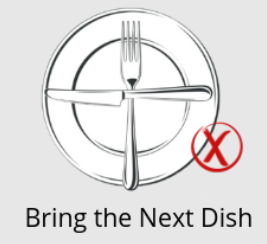
Three of the five positions illustrated demonstrate very poor etiquette and are actually rude to the server.  


From the Server’s Perspective

The job of your server is to receive your food and drink order, deliver it to your table when ready, and take your plate away when you are finished eating.

Servers are busy -- juggling multiple tables and lots of information truly does take talent.  The “pause” and “finished” utensil positions let her know at a glance whether your table has plates to be removed, or if she can continue with other tasks.
Utensils placed in the “paused” or “resting” position let your server know you are not finished eating and your plate does not need to be removed.
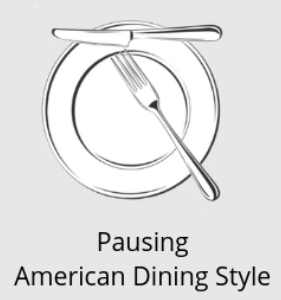
Utensils placed in the “finished” position let your server know you have finished eating and she may take your plate.
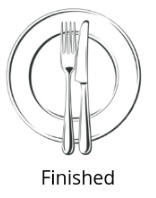
Neither of these utensil signals require verbal communication for your server to know what action to take.  In other words, they make your server’s job easier and prevent additional disruptions in your table conversation.

Two – and Only Two - Signals

Dining etiquette involves not only proper use of your utensils while eating, but using them to signal information that makes dining pleasant for everyone. 

Servers appreciate you letting them know what assistance you require from them.  And non-verbal signals are a small but significant part of civilized dining.

However, the only signals your server needs to receive via utensil placement is whether you are pausing during your meal, or whether you are finished with your meal.  There is no tradition anywhere that requires any other signals.  Attempting to do so only causes confusion.

I am joining Ms. Graber and other informed etiquette consultants urging you to ignore any image teaching inappropriate communication to diners and restaurant servers.  Won’t you join us?  
You can download the infographic here that shows correct and incorrect utensil placement signals.


Contributor, Candace Smith is a retired, national award-winning secondary school educator, Candace Smith teaches university students and professionals the soft skills of etiquette and protocol. She found these skills necessary in her own life after her husband received international recognition in 2002. Plunged into a new “normal” of travel and formal social gatherings with global leaders, she discovered how uncomfortable she was in many important social situations. After extensive training in etiquette and protocol, Candace realized a markedly increased confidence level in meeting and greeting and dining skills and was inspired to share these skills that will help others gain comfort and confidence in dining and networking situations. Learn more at http://www.candacesmithetiquette.com/


Etiquette Enthusiast, Maura J Graber, is the Site Editor for the Etiquipedia© Etiquette Encyclopedia 

Wednesday, April 10, 2019

Faux Etiquette Infographics

The above is etiquette gobbledegook!


“Bring Complaints Book”? This graphic is just more etiquette nonsense!

We’ve addressed these crazy infographics before, but they are multiplying. Most of these pictured are, for lack of better words, etiquette nonsense. Etiquette gibberish.

Someone sent this graphic to me, asking for my thoughts. I think this graphic and others like it, need to be removed from anyone’s site who claims to be promoting or teaching etiquette. I think they are ridiculous. 

Etiquipedia has an open mind and is more than happy to explore etiquette from all over the world, but not in this case. Teaching or promoting silent commands like, “I still eat” “Do not take the plate” or “The meal is over” is questionable at best, incredibly rude and makes extra work for others!

There are only 2 sets of depictions on this infographic which actually mean anything:

1.The positions actually signaled by both depictions of “the meal is over” (though we prefer the word “finished” — unless someone has put you in charge and you cannot help but be pompous —and we also prefer that utensils sit more to one side of the plate, to enable easier and quieter removal for the wait staff).

2. The “I still eat” and “Do not take the plate” depictions, which sound hostile and clunky. We prefer “pause” or “rest position” (though we prefer the “12:00 and 3:00” for one’s knife and “7:00 or 5:00” for one’s fork).  
Such passive aggressive messages, supposedly being sent by “I wait new dish” and “service was bad” are not only cumbersome for graceful plate and utensil removal by the wait staff, but outright insulting, if one were to convey them verbally to those waiting on tables, cooking or hosting.

No restaurant or wait staff would recognize any of the depictions other than the utensil placement  if one is resting or pausing and when one is finished dining. These are the only times utensils can be used  as subtle messaging. Trust us... We’ve asked! And if a waiter or server believes someone is sending non-verbal messages like the overtly rude, “Bring Complaints Book”, let’s just hope the next course arrives in truly edible and sanitary condition.


Etiquette Enthusiast, Maura J. Graber, is the Site Editor for the Etiquipedia© Etiquette Encyclopedia 

Thursday, June 21, 2018

An Etiquette Plea

Three of these depictions are not like the others!

Etiquipedia has a polite request...

Can people please stop posting this infographic online? Normally, Etiquipedia has an open mind and is more than happy to explore etiquette from all over the world, but not in this case.

This infographic and all others like it, are, for lack of better words, “a hot mess.” It is etiquette gibberish... Etiquette nonsense... Above all, it is incredibly rude and makes extra work for others.
There are only 2 depictions on this infographic which actually mean anything:

  • The “finished” position (though Etiquipedia prefers the utensils sit more to one side of the plate, to enable easier and quieter removal for the wait staff). 
  • The “pause” or “rest position” (though Etiquipedia prefers the “12:00 and 3:00” for one’s knife and “7:00 or 5:00” for one’s fork). These are the ONLY 2 depictions anyone would recognize. Trust us... We’ve been asking!
The passive aggressive messages supposedly being sent by “ready for the next plate,” “do not like,” and “excellent” are not only cumbersome for graceful plate and utensil removal by the wait staff, but 2 of them are outright insulting to the chef, host or hostess, if one were to convey them verbally to those waiting on tables, cooking or hosting. Especially, if the one verbally expressing “do not like” and “ready for the next plate” is on the verge of a temper tantrum and over the age of two.
And if one is enjoying several courses, and attempts to send the non-verbal “excellent” or “it was delicious” message on only one empty plate, what, pray tell, are you trying to say to your host or the chef?
This nonsensical graphic is on dozens of etiquette sites. Please, please, do not teach this or use this as a guide. Thank you for taking this plea into consideration.

Etiquette Enthusiast, Maura J. Graber, is the Site Editor for the Etiquipedia Etiquette Encyclopedia