Showing posts with label Etiquette of Coronations in England. Show all posts

Tuesday, April 25, 2023

The Coronation of King Charles III


The Coronation of King Charles III and Queen Consort Camilla
Picture
This coming May, millions of people around the world will gather in front of television sets and computer screens, to watch what to many, is a once in a blue moon event. Like a rather rare celestial event, the coronation of King Charles III and Queen Camilla of England, will be watched with great anticipation, and with many questions in people’s minds.

Who will be in attendance? Will it just be working Royals and the landed gentry? Or will it include commoners or nonworking Royals, who have travelled in for the event? Who will be participating in the ceremony? Will favoured charities have members in attendance? Everyone wants a seat to see the leader of this new slimmed down monarchy crowned King. Who are those favoured few who have already received “save the date” emails from Buckingham Palace. No one knows for certain.

Other questions have had the talking heads on radio, television and podcasts asking about the traditions which have long been the standard for British coronations. Will Charles and Camilla be sticking with tradition? Or will they stray from the norm. Will traditions evolve to include changes in Royal protocol? Many in the news are speculating. But we really won’t know everything until the 6th of May.
​
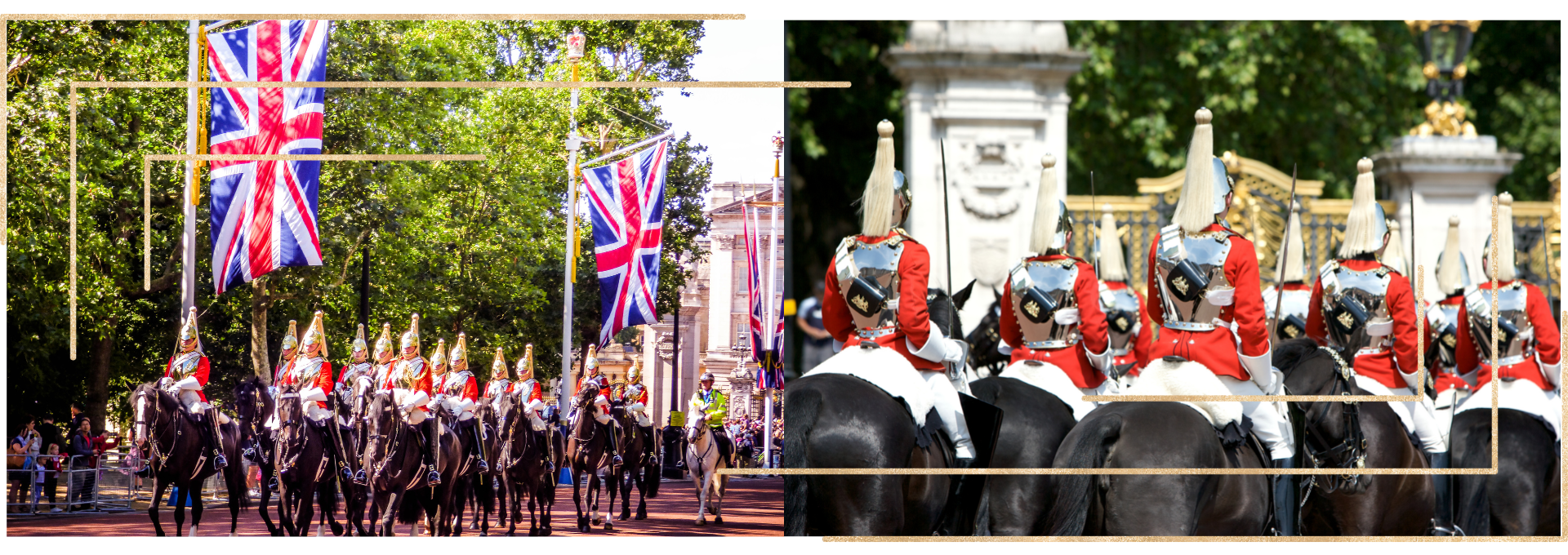
The protocol of coronations in Great Britain goes back over 1000 years.  Gleaning from European traditions, government and religion entwined and evolved over time to bring us what we have seen in the coronation of Queen Elizabeth II in 1953 and soon, King Charles III and his Queen, this May.
Picture
What To Expect
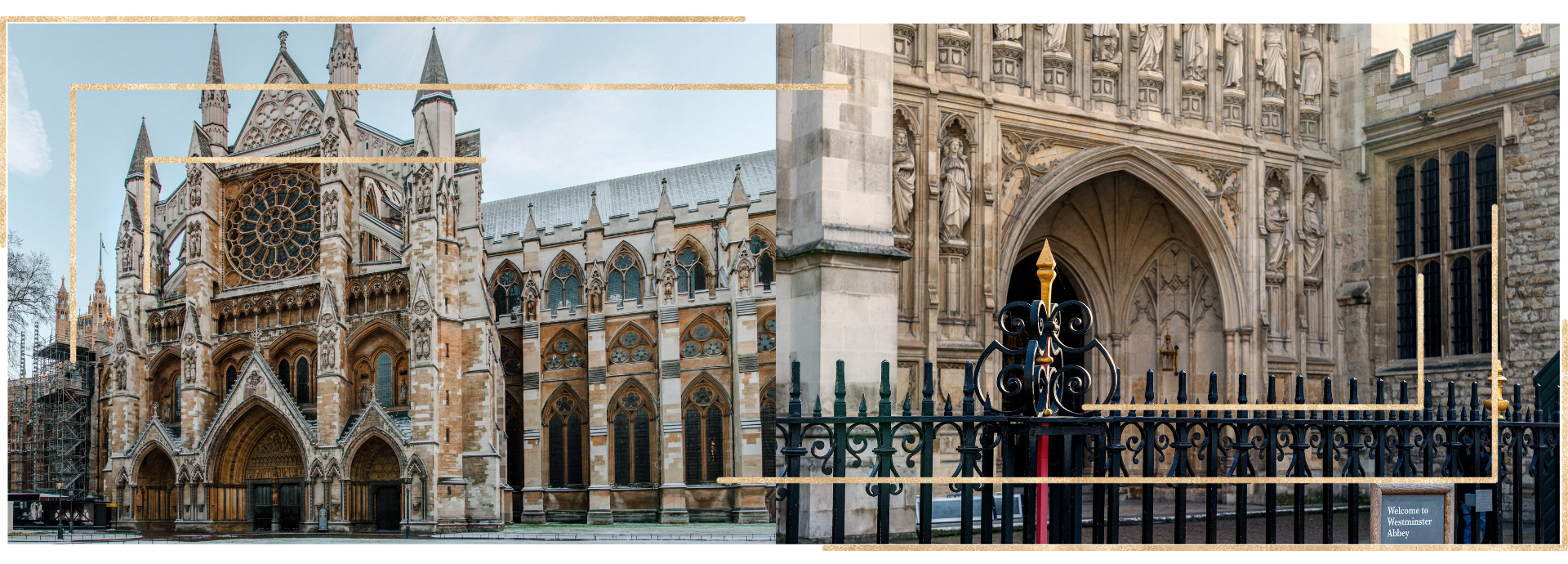
What can you expect at a coronation today?  The ultimate guidebook for the Royal family is Liber Regalis (Royal Book), created in 1382. It has assisted members for over 600 years in organising this state event.  This book may have captured elements of the event created by Saint Dunstan for King Edgar’s coronation ceremony at Bath Abbey in 973.  Then in 1066, the crowing of William the Conqueror saw proceedings take place at Westminster Abby, where it remains today. 

When Did It All Start
As Queen Elizabeth II was Lying-in-State and the fully planned State Funeral was being held, the organisation for the crowning of King Charles III began.  The significant players overseeing this momentous event are the coronation committee comprising the Government of the United Kingdom, the Royal Household, the Privy Council and the Church of England.  What do these bodies need to consider when planning a coronation?  The coronation date, its proclamation, the price, who attends, the required furniture, music and the honours conferred to mark the grand occasion. 

Of course, modern safety laws have to be adhered to, so the number of those in attendance has already been slashed by the thousands. Many are already disappointed, fearing they will never receive the coveted email and confirmation of their expected attendance from Buckingham Palace. And if someone does receive a coveted email to attend the coronation, does that mean all is well? Some members of the peerage, who wear their coronets and robes only at a coronation, have waited a lifetime for this opportunity. Will they be disheartened in the end?

Rumour has it that disappointed duchesses have had a traditional key role of theirs dismantled in the coronation ceremony. The queen wants her five grandchildren to take centre stage at the coronation alongside the King’s royal heirs, performing a role previously given to duchesses. This role has in coronations past, been performed as the new Queen is anointed with holy oil. And what of the new King’s pledge to make the coronation more inclusive of other religions? In the ceremony, the Archbishop of Canterbury by tradition, asks the King three lengthy questions. These are specifically regarding the Church of England. The coronation has now been shortened to one hour from the original three hours. Will those questions by the Archbishop be shortened or eliminated altogether? Will they and actually include the mention of other religions?
For more about the Coronation at Westminster Abbey, please go to >> westminister-abbey.org
Picture
​The Crowning Event
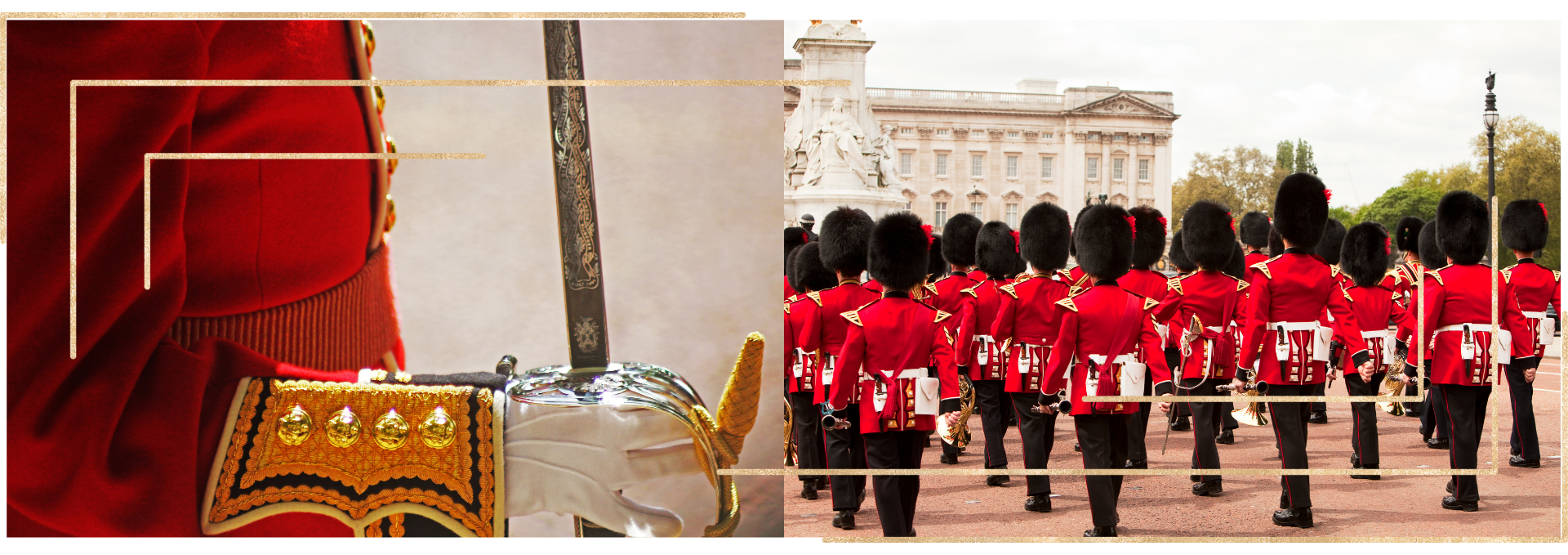
The main event occurs at Westminster Abbey, where the King will be escorted by carriage from Buckingham Palace. Rumor has it that the very uncomfortable, but exquisite gold carriage, that previous Kings and Queens have used for the ceremony, will not be used in May. Will this have the look of an ordinary, albeit exciting royal wedding, instead of an extraordinary coronation?

Once there, the Procession to the Abbey begins quickly  to move to the Procession inside the Abby.  There begins The Recognition of King Charles III.  After that, one can expect hymns to be sung during and after the Coronation Oath and The Anointing. The Homage is where the highly anticipated and photographed moment of a coronation occurs, where King Charles III is given the Orb placed into his right hand and the Scepter, which he holds with his left hand, as well as golden bracelets and a ring. Once this occurs, the choir will sing anthems, drums beats, trumpets sound, and joyful crying out to mark the crowing of Great Britain's new King. 
​
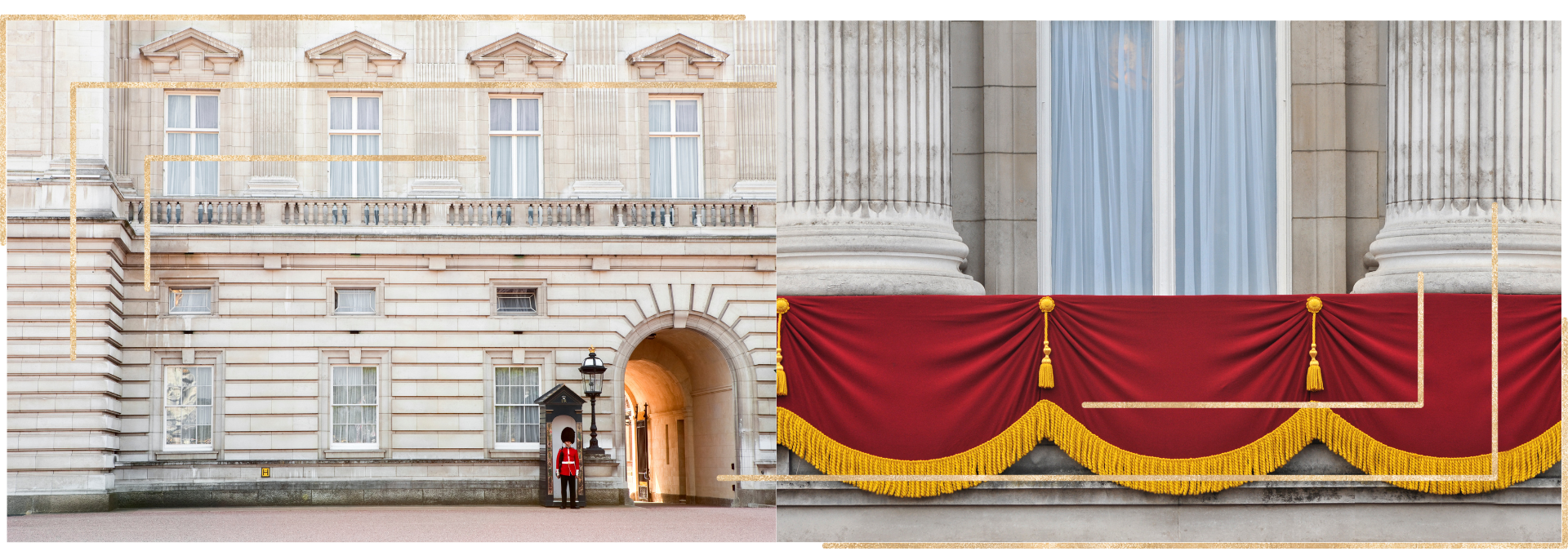
Camilla, The Queen Consort, will be crowned after the Homage takes place.  Once that is complete, the departure will occur, and esteemed guests, family and hosts will make their way from Westminster Abbey to Buckingham Palace to be seen by thousands of onlookers and broadcasted to millions.  The King and the Queen Consort, along with the Members of the Royal Family, will assemble for a perfectly Instagramable balcony appearance.  The day ends with a Coronation banquet.
​
Life After The Crown
In the days and months after the Coronation, there will be many public opportunities for the new King and Queen to meet their subjects. These traditionally begin with a Coronation Review of the Fleet, Service of thanksgiving, UK and Commonwealth tours, Coronation portraits, and most importantly, the Investiture of the Prince of Wales. The Investiture tells the world who will be the next in succession to the throne. — By contributor, Elizabeth Soos, at Auersmont.com 
Picture
For more about the Coronation, please go to >> cornontion.gov.uk
Picture

Contributor, Elizabeth Soos, has had a keen interest in cultural customs. With her European background and extensive travel, Soos developed an interest in the many forms of respect and cultural expectations in the countries she has visited. With her 20+ years’ experience in customer service within private international companies based in Australia, and her lifetime interest in manners and research, she decided to branch out into the field of etiquette and deportment. Through her self-directed studies and by completing the Train-The-Trainer’s course offered by Emma Dupont’s School of Etiquette in London and by Guillaume Rue de Bernadac at Academie de Bernadac based in Paris and Shanghai, she founded Auersmont School of Etiquette.


 🍽Etiquette Enthusiast, Maura J. Graber, is the Site Editor for the Etiquipedia© Etiquette Encyclopedia

Tuesday, September 11, 2018

British Coronation Etiquette – King Henry V

Tom Hiddleston portraying Henry V in the 2012 British television film based on the play of the same name by William Shakespeare. It was the fourth film in the series of television films called “The Hollow Crown.”

Remarkable incidents in this most important occasion of a British ruler’s life. Striking features of ceremony from the earliest day to the last great Coronation event of the 19th Century
👑👑👑👑👑👑👑👑👑👑👑👑
The Coronation of England’s Henry V

In the age of the Plantagenets, Tudors and under the Stuarts, until the Coronation of James II, it was customary for Kings to reside in the Tower of London for some time, previous to the Coronation. On the Saturday before the Coronation, the Sovereign went from Westminster to the Tower of London, attended by great numbers of the Nobility and civic dignitaries, and by those people who were to be Knighted, and who watched their arms that night. Each squire had a chamber allotted him, and a bath in which he bathed. The ensuing day after mass, the Sovereign created them Knights. After their investiture they were permitted to sit down in the King's presence, but during the whole time of dinner, they were rot allowed to partake of any part, of the entertainment. The Queens in their own right, Mary and Elizabeth, though they girded the swords on the Knights with their own-hands, did not give the accolade or blow, which is the determinate action that impresses the character of Knighthood. At both Coronations, Henry, Earl of Arundel, performed this office. A copy of his appointment is to be found in Rymer.

Henry V was Crowned on the 9th of April, 1413. Katherine of France, the Queen of Henry V, was Crowned on the 24th of February, 1420. The account which Holinshed gives of the magnificence displayed upon this occasion is far too characteristic of the age to be omitted: “After the great solemnization of the foresaid Coronation in the church of St. Peter’s, at Westminster, was ended, the Queene was conveied into the great Hall of Westminster, and there set to dinner. Upon whose right hand sat, at the end of the table, the Archbishop of Canterbury and Henrie surnamed the Rich, Cardinall of Winchester. 

Upon the left hand of the Queene sat the King of Scots in his estate who was served with covered masse, as were the foresaid Bishops, but yet after them. Upon the left hand, next to the cupboard, sat the maoir and his brethren, the aldermen of London. The Bishops began the table, against the Barons of the Cinque Ports; and the Ladies against the maior. These, with, others, ordered the service, and, for the first course, brawne in mustard, eels in burneur, pike in herbage, fuiment with balien, lamprie powdered, trout, codling, plaice fried, martine fried trout, codling, plaice fried crabs, leech lumbard flourished tartes and a device called a pelican, sitting on hir nest, with hir birds and an image of St. Katherine holding a booke and disputing with doctors. 

“The second course was gellie coloured with columbine flowers, whits potage or creame of almonde, breame of the sea, conger, cheuen, barbil, and roch, fresh salmon, haliba, gurnard, rochet broilee, smelts, fried, crevis, or lobster, leechdamaske, with the King's posie flourished thereon. The third course was dates in compost, creame motle, carp deore, turbut, tench perch with goion, fresh turgion with welks, porperous rosted, creves da cau doure, branis, eeles rosted with lamprie, a leech, called the white leech, flourished with hawthorne leaves and red hawes; a marchpane garnished with diverse figures of angels.”– San Francisco Call, 1901

Etiquette Enthusiast, Maura J. Graber, is the Site Editor for the Etiquipedia© Etiquette Encyclopedia 

Saturday, September 8, 2018

British Coronation Etiquette – Queen Elizabeth I

Actress Cate Blanchett in one of her fine film portrayals of Elizabeth I – By the end of Elizabeth’s I reign, in his “Court and Country,” of 1618, Nicholas Breton gives an instructive account of the strict rules which were drawn up for observance in great households at that time, and says that the gentlemen who attended on great Lords and Ladies had enough to do to carry these orders out. “Not a trencher must be laid or a napkin folded awry; not a dish misplaced; not a capon carved or a rabbit unlaced contrary to the usual practice; not a glass filled or a cup uncovered save at the appointed moment: everybody must stand, speak, and look according to regulation.”

Remarkable incidents in this most important occasion of a British ruler’s life. Striking features of ceremony from the earliest day to the last great Coronation event of the 19th Century
👑👑👑👑👑👑👑👑👑👑👑👑
The Coronation of England’s Elizabeth I


Speed's account of the procession of Queen Elizabeth contains some particulars' too remarkable to be omitted. “All things in readiness, upon the fourteenth of January, with great triumphes and suptuous shewes, shee passed thorow London, towards “Westminster, to receive her Imperiall Crowne; but before she entered her chariot in the Tower, acknowledging that the seat was God's into which shee was to enter, and shee his viceregent to wield the English sceptre: in that royall assembly, with eyes and hands elevated to heaven, upon her knees, she prayed for his assistance, as Solomon did for wisdome when he tooke the like charge: with a thankful remembrance unto God for his continued preservation, which had brought her thorow great dangers unto that present dignitie.”

She was crowned the 5th of January, 1555, by Oglethorpe, Bishop of Carlisle, the see of Canterbury being vacant by the death of Cardinal Pole. Holinshed says that she composed the following prayer as she went to her coronation: “O Lord Almightie and Everlasting God, I give thee most heartle thanks that thou hast beene so merciful into me, as to spare me to behold this joifull daie. And I acknowledge that thou has delt as wonderfullie and as merciefullie with me as thou didst with thy true and faithful servant Daniell, thy prophet, whome thou delivered out of the den from the crueltie of the greedy and roaring lions. Even so was I overwhelmed, and only by thee delivered. To thee, therefore, onelle be thanks, honor and praise for ever. Amen.” – San Francisco Call, 1901


Etiquette Enthusiast, Maura J. Graber, is the Site Editor for the Etiquipedia© Etiquette Encyclopedia 

British Coronation Etiquette – King Henry VIII

Henry VIII acted like an animal at times, but not while dining. Yes, even many “etiquette experts” get it wrong. One was quoted as saying this, upon the release of his 2013 book of etiquette: “In Henry VIII’s time it was good manners to chuck lamb bones over one’s shoulder for the greyhounds to feed. That would cause raised eyebrows these days.” Au contraire, mon frère! When it comes to table manners, we have no grounds to feel superior to Henry VIII. He observed complex etiquette. True, there was at least one occasion when Henry threw sugar-plums at his guests, and, given the gallons of sweetened wine consumed, meals must sometimes have got out of hand. Yet the general rules of table were politer than our own. If Henry overindulged (and surely he did, his waist thickening to 54in after a jousting accident in 1536), he did so with aplomb. Hands were washed before, during and after every meal. He had a special fingerbowl – heated in a chafing dish – and a designated napkin to protect his fine ‘manchet’ bread roll. When he had eaten enough, he stood and washed his hands while an usher brushed crumbs from his royal person.

Remarkable incidents in this most important occasion of a British ruler’s life. Striking features of ceremony from the earliest day to the last great Coronation event of the 19th Century
👑👑👑👑👑👑👑👑👑👑👑👑
The Coronation of England’s Henry VIII


Henry VIII was extremely fond of pageantry and he was particularly anxious about the ceremonials of his Coronation. The Londoners seconded his desires, and when, after having created twenty-four Knights of the Bath, he rode through London from the Tower, June 22. 1509, the streets were hung with tapestry and cloth of arras, and a great part of the south side of Cheap and part of Cornhill were hung with cloth of gold. The several companies and civic dignitaries lined the streets, and Hall tells us:

“The goldsmiths’ stalls unto the end of the Old Change, being replenished with virgins in white, with branches of white wax; the priestes and clearkes in rich copes, with crosses end censers of silver, censing his grace and the Queene also as they passed. The Queene Katherine was sitting in hir litter, borne by two white palfries, the litter covered and richlie apparelled, and the palfries trapped in white cloth of gold: her person aparelled in white satin imbroidered, hir hair hanging downe to hir backe, beautlfull and goodlie to behold, and on hir head a coronall set with manie rich orient stones.” The Coronation was celebrated with brilliant “justs and turneies” which the King and Queen witnessed from “a faire house covered with tapestrie.” 
– San Francisco Call, 1901

Etiquette Enthusiast, Maura J. Graber, is the Site Editor for the Etiquipedia© Etiquette Encyclopedia

Friday, September 7, 2018

British Coronation Etiquette – Queen Victoria


Even though an entire era of purported graceful living and good manners was named after Victoria, her manners needed quite a bit of work – According to Kate Hubbard, in her book, “Serving Victoria: Life in the Royal Household” Victoria, “loved her food. She was greedy and she gobbled. She liked her dinners to last no more than half an hour. Guests would quite often find their plates whisked away while they were still eating because once she had finished, all the plates were removed. She was a hearty eater and she was a fast eater.” And as for courtly conversation" at the table? She did not like politics to be brought up, and, oddly, “She didn't like marriage being discussed in front of her youngest daughter, Beatrice, before Beatrice married. Anyone who mentioned marriage at dinner was swiftly reprimanded.”


Remarkable incidents in this most important occasion of a British ruler’s life. Striking features of ceremony from the earliest day to the last great Coronation event of the 19th Century
👑👑👑👑👑👑👑👑👑👑👑👑
The Coronation of England’s Victoria

At seventeen minutes past three on the morning of June 28, 1838, a Royal salute of twenty-one guns announced that the sun was then rising upon the Coronation day of Victoria. By 4 o'clock the streets were so thronged with carriages and pedestrians, that they were in many places impassable and the whole population seemed to have poured out in the direction of the parks and of Westminster Abbey. It was not until half-past ten that her Majesty's carriage passed Apsley House. It moved on amid the loud acclamations of her subjects. The state coach was drawn by eight cream-colored horses and attended by a yeoman of the guard at each wheel and two footmen at each floor. 


Endless grooms and guards attended the long procession. It was as splendid as befitted the rejoicing of the people over a Coronation, that made them happier than any since the time of Alfred. The London Sun of the 28th reported that: The Queen, attended, passed to the altar. Her Majesty, kneeling upon the cushion, made her first offering of a pail of altar-cloth of gold, which was delivered by an Officer of the Wardrobe to the Lord Chamberlain, by his Lordship to the Lord Great Chamberlain, and by him to the Queen, who delivered it to the Archbishop of Canterbury, by whom it was placed on the altar.


After elaborate services followed the sermon by the Bishop of London, then came the oath and the anointing. Then there were further ceremonies of the spurs, the sword, the mantle, the orb, ring and scepters, and at last came the Dean of Westminster bearing the Crown. Tho Archbishop took and placed it on her Majesty's head, when the people, with loud and repeated, shouts, cried: “God save the Queen.” There was a doffing of caps, a sound of trumpets, a beating of drums, a firing of guns. The old report says: “Never did we hear louder or more hearty plaudits, that almost rent the walls of the old abbey, setting at naught all etiquette and ceremony, than those which burst from the lips and hearts of her attached and loyal people, when the Crown was placed on the head of their young and lovely Sovereign.” –San Francisco Call, 1901


Etiquette Enthusiast, Maura J. Graber, is the Site Editor for the Etiquipedia© Etiquette Encyclopedia

British Coronation Etiquette – Henry II and Richard I

From the 1968 film “Lion in Winter,” Peter O’Toole (second from right) portrayed Henry II and Anthony Hopkins (third from left) portrayed Richard I – Richard I was the third son of Henry II and Duchess Eleanor of Aquitaine. Richard I reigned over England from July 6, 1189 to April 6, 1199. He was also held the titles of Duke of Normandy, Aquitaine and Gascony, Lord of Cyprus, Count of Poitiers, Anjou, Maine, and Nantes. Despite fictional representations of him, more accurate history shows him to have been at times, a violent man, but an excellent soldier. He was considered a poor King, which may explain why he spent so little of his reign in England, leaving William de Longchamp and his mother, as regents in his place.

Remarkable incidents in this most important occasion of a British ruler’s life. Striking features of ceremony from the earliest day to the last great Coronation event of the 19th Century
👑👑👑👑👑👑👑👑👑👑👑👑
The Coronation of England’s Henry II

Henry II was Crowned at Westminster on the Sunday before Christmas day, A.D. 1154, by Theobald, Archbishop of Canterbury. Although his hereditary right was unquestionable, he was formally elected by the clergy and people. It is said that Henry was Crowned again with his Queen, A.D. 1159, but this report arose from his having worn the Crown during the ceremony.


The Coronation of England’s Richard I

Duke Richard, having made all necessary preparations for his Coronation, came to London, where he assembled the Archbishops of Canterbury, Rouen and Tours, who had given him absolution in Normany for waging war against his father after he had taken the cross as a Crusader. First, the Archbishops, Bishops, Abbotts and clergy, wearing their square caps and preceded by the cross and holy water bearers and deacons burning incense, went to the door of the royal bedchamber and led the Duke in solemn procession to the great altar of the church of Westminster. When they reached the altar Richard swore, in the presence of the clergy and people on the holy gospel and the sacred relics, that he would observe peace, honor and respect all the days of his life to God, holy church and its ordinances. 

His attendants then stripped him to his trousers and shirt, the latter of which was left open between the shoulders on account of the anointing. Baldwin, Archbishop of Canterbury, who wore rich buskins of cloth of gold, then anointed the King in three places, on the head, between the shoulders and on the right arm. A consecrated linen coif and a cap of estate were then placed upon his head and he was vested with the royal robes, the lamatic and the tunic. The Archbishop then delivered him a sword to restrain the enemies of the church. Two Earls then buckled on his spurs and invested him with the pall of state; after which Baldwin conjured him in the name of God and forbade him to take the crown unless he were firmly resolved in his heart and soul to observe all the promises to which he had sworn. 

The festivities were sullied by a sanguinary and disgraceful riot. Numbers of Jews had flocked to England in the reign of Henry II, where they were honorably protected by that liberal and enlightened Sovereign. Grateful for such unusual favors, they assembled at London to subscribe themselves in order to make Richard a splendid present on the day of his Coronation. Unfortunately, Richard was persuaded by some of the bigots who surrounded him that the Jews were accustomed to practice magic on Sovereigns during the time of the Coronation, and he therefore issued an edict prohibiting any Jew from entering the church while the ceremony was being performed, or appearing at the palace during dinner. Curiosity overcame prudence. Several of the most considerable Jews mingled with the crowd and gathered around the gates of the palace. One of them, endeavoring to force an entrance, was struck in the face by an overzealous Christian. This signal aroused the fanaticism of the multitude. 

A general assault was made upon the Jews, who fled in confusion toward the city. Some wretches, eager for plunder, raised a cry that the King had given orders for the extermination of the unbelieving Jews; and, as this was by no means improbable, when the King was a Crusader, it received implicit credit. The city mob, swelled by the multitudes who had come from the country, attacked the houses of the Jews, which the inhabitants defended with great courage and obstinacy. The enraged populace, when night came on, finding, that they could not break into tho houses, hurled brands and torches on the roofs and through the windows. Conflagrations burst forth in various parts of the city, which consumed not only the houses of the Jews but those of the Christians. Richard caused several of the ringleaders and most notorious malefactors to be apprehended the next day. They were hanged, as a terror to others, a proclamation was issued taking the Jews under the Royal protection, and the tranquillity of the city was restored. – San Francisco Call, 1901


Etiquette Enthusiast, Maura J. Graber, is the Site Editor for the Etiquipedia© Etiquette Encyclopedia

Wednesday, December 13, 2017

Court Etiquette Denies A Queen

It was a proud day in the British Empire, but of all its millions, the one who perhaps had the most reason to be proud, was denied by Court etiquette the joy of witnessing the triumphal event. At Sandringham Palace, Queen Mother Alexandra, who, forty-six years ago this month, gave Britain a King, awaited the news that her son had taken his place in the long line of British Monarchs.

All London Resplendent in Glory at Grandest Event in Modern History of Monarchies
————————————————
Golden Crown Sparkling With 3,000 Diamonds and Other Jewels is Bestowed

LONDON, June 22. King George V, Eighth of the House of Hanover, was today crowned King of the British Empire and given the public homage of his world-wide subjects. With his consort, Queen Mary, his Majesty was crowned in the Abbey of Westminster with all the wealth of religious rites and Royal ceremonial prescribed by custom. The picture within the gray-walled Abbey was one of medieval splendor. The coronation services, solemn and imposing, were those handed down from the earlier centuries, and the actors in the principal and secondary roles of today's great function were garbed in reproductions of the multicolored, gold-embroidered trappings worn by their ancestors. The latter made a wonderfully effective setting around the central figures. 


Outside, the usually dull streets had been transformed into a mass of color. The King and Queen's progress to the Abbey and the route to Buckingham Palace was one unbroken ovation. The route was hedged with a vast ployglot host with a background of gaily decorated viewing stands and windows and roofs, all of which were crammed to their capacity. The pressure of the crowds was so intense at many points, that the police cordon was broken and the aid of troops was required to restore order. 

When dawn broke the skies were heavy and showers fell during the progress of the processions of the Royal guests and the junior members of the Royal family to the Abbey; but as the King and Queen left Buckingham Palace to be crowned, the heavens smiled and a flood of sunshine brightened the splendid pageant. It was a proud day in the British Empire, but of all its millions, the one who perhaps had the most reason to be proud, was denied by Court etiquette the joy of witnessing the triumphal event. At Sandringham Palace, Queen Mother Alexandra, who, forty-six years ago this month, gave Britain a King, awaited the news that her son had taken his place in the long line of British Monarchs.

Those who think the Britisher too cold blooded to enthuse, should have seen him “coronate” today. He is fit to stand beside the most rampant American “Fourth of July” or Gaelic celebrator of the anniversary of the proclamation of the republic. Hundreds of thousands of Americans, Germans, Frenchmen and natives of all lands, from China to Peru, joined the hustling throng and yielded themselves up with magnificent enthusiasm to the coronation glamour. – Santa Cruz Sentinel, June 1911

Etiquette Enthusiast, Maura J Graber, is the Site Editor for the Etiquipedia© Etiquette Encyclopedia

Thursday, October 19, 2017

Applauding Royal Court Etiquette

An Italian coloratura soprano of great international fame, Madame Tetrazzini's voice was remarkable for its phenomenal flexibility, thrust, steadiness and thrilling tone. She enjoyed a highly successful operatic and concert career in the U.S and Europe, from the late Victorian Era to the 1920s.

In her last year of residence in America, Madame Tetrazzini, has added much to her English speaking attainments and she now acquits herself delightfully in general conversations. She is persistent in using English words and when these fail her, her dramatic art is brought into use and she acts out the word. As we pulled into the station on the way to Los Angeles the bell on the engine clanged monotonously and she was reminded that in Italy the bells hang in church towers, "We have no bells on our trains there,” she said, "but only" and then the word "whistle," not coming readily to her tongue, she puckered up her lips and emitted a low, melodious imitation of a train whistle. 

Describing her Continental experience last summer the diva mentioned her singing at the opera during the coronation ceremonies in London, She described the wonderful floral decorations of the theater itself and then the astounding display of jewels as they appeared upon English royalty and the men and women representing the foreign courts during that remarkable pageant. The jewelled headresses of the Indian princes, Maharajas and other notables received vivid description from the singer and then she alluded laughingly to the incident of her own appearance when despite Court decorum and in defiance of rules of etiquette, the King and Queen clapped their hands enthusiastically and brought forth a demonstration of applause otherwise unheard of in that performance. Madame Tetrazzini explained that applause on such grand occasions is not customary and occurs only when led by the members of the royal family, so that her ovation earned an extra fame for her. “They said I had a wonderful claque,” said she, "with the King of England to lead it.” – Los Angeles Herald, 1912


🍽Etiquette Enthusiast, Maura J Graber of The RSVP Institute of Etiquette, is the Site Editor for the Etiquipedia© Etiquette Encyclopedia