Showing posts with label Isabel E. Martinez. Show all posts

Thursday, April 30, 2026

Restaurant Job Interview Etiquette

In a restaurant interview, the table is not just where you eat. It is where you are truly evaluated. And those who understand this — who walk in prepared, poised and gracious — will always leave a lasting impression.

The Importance of Restaurant Table Etiquette During a Job Interview


In today's competitive professional world, a job interview over a meal is far more common than many candidates realize. Whether it is a casual lunch or a formal dinner, the restaurant setting adds an entirely new dimension to the evaluation process. And while your qualifications and experience will always matter, how you conduct yourself at the table can be just as revealing — and just as decisive. The truth is simple: table manners speak before you do.

From the moment you sit down, your host is observing. Not necessarily with judgment, but with curiosity. How you treat the wait staff, how you handle your napkin, whether you reach across the table or politely ask for something to be passed — all of these small moments paint a picture of who you are as a person and, by extension, as a professional.

First impressions begin before the menu arrives. Place your napkin on your lap as soon as you are seated. Sit upright, but naturally. Avoid fidgeting with your cutlery. These subtle signals communicate confidence, composure and respect — qualities every employer is looking for.

Ordering wisely is part of the interview. Avoid messy or difficult-to-eat dishes. Choose something that allows you to eat gracefully and maintain conversation without distraction. Follow your host's lead when ordering, and never order the most expensive item on the menu.

The art of conversation at the table is equally important. A meal shared is a rare opportunity to demonstrate not only your professional knowledge, but your social intelligence — your ability to connect, to listen, to read the room and to make others feel comfortable in your presence. These are skills that can be learned and refined, and once mastered, they become an effortless and invaluable part of who you are.

How you treat others tells everything. Be warm and respectful to the wait staff. Thank them. Acknowledge them. Nothing reveals character more quickly than how a person treats someone they do not need to impress.

In a restaurant interview, the table is not just where you eat. It is where you are truly evaluated. And those who understand this — who walk in prepared, poised and gracious — will always leave a lasting impression.


Meet our newest contributor, Isabel. E. Martinez, who was educated in Business Management at the Universidad Católica Andrés Bello, in Caracas, Venezuela. After relocating for a few years to Miami, Florida, Isabel developed a company teaching computer skills. Among her clients were Baccardi in Bermuda, and Mavesa, Telcel (Movistar), and Heinz in Venezuela. That is when she discovered her passion for teaching. As her children became adults, she shifted her focus and dedicated her time to teach on subjects she is very passionate about; Hospitality and Table Etiquette. Throughout workshops in English and in Spanish, Isabel works with employees in the hospitality industry, and those business professionals who when interacting with customers, would like to make sure that they are the most professional representations of their companies. Especially when attending business lunches and events. She also offers youth and teen courses in etiquette, helping them to excel with integrity and pride in whatever field they desire to pursue. To learn more about Isabel, visit her website: www.learningschool2.com or @isasetiquette 


🍽Etiquette Enthusiast, Maura J. Graber, is the Site Editor for the Etiquipedia© Etiquette Encyclopedia

Monday, April 27, 2026

Napkin Etiquette and Usage

Its relevance is so significant, that in Buckingham Palace, when setting the table for a state dinner, an expert is dedicated to the art of the napkin, from the importance of the fabric, its washing, ironing and of course folding and placement of the napkins for the laying of the table. — Image from the book “For the Royal Table: Dining at the Palace” and was created by “The Royal Collection” in Great Britain. 

What makes a napkin? A piece of cloth (or occasionally paper), almost always square, that’s main purpose is to dab or wipe food away from our mouths while eating or drinking. 
If we have children, it seems that we continually pick up and wipe them with napkins… accidents at the table when a drink spills, or food that falls onto the table or children themselves. In other words, napkins at a dinner table are indispensable.
I believe that napkins also “speak”. I believe napkins have their own identity, as I say. It is “their language”. Their physical appearance: fabric, color, design, how we place them, where we put them… they say so much.
The napkin can be square or rectangular, depending on the time of the meal, the size of the napkin varies. If it is for cocktails, it is small and square. If it is for dinner, we use the largest sized napkin, usually in a rectangle. 
On the internet we can find a lot of different ways of how to fold them to “present” them at the table. Various shapes have come in and out of fashion over the centuries. The most important thing is our creativity and intention to achieve something nice in such an important moment as sharing a meal with our loved ones.

The napkin is the first thing we see when we sit down in a restaurant for a business lunch, a romantic dinner, or simply a nice meal with our friends. Its presentation influences in such a way that just with a napkin we can instinctively know what to expect from that meeting and meal.

Its relevance is so significant, that in Buckingham Palace, when setting the table for a state dinner, an expert is dedicated to the art of the napkin, from the importance of the fabric, its washing, ironing and of course folding and placement of the napkins for the laying of the table.

The napkin is presented on the table, almost always on top of the plate or to our left at the beginning of the fork sequence.

When we sit at the table before starting a meal we place the napkin across our laps. If during the meal we have to get up, it is best to leave it on the seat of the chair, although depending on the casualness of where we are dining, we can occasionally leave a napkin slightly crumpled on the left side of the setting until we return. When we finish eating, we will leave it on the left side of the setting, but only when the meal is finished and everyone is getting up to leave the table.

All these rules are important, so that the rest of the participants, especially the waiters and waitresses, know how to proceed.

Details as simple as those if made by our children decorating the table at home to the sophisticated tables in elegant restaurants, all leave a mark to remember.

Meet our newest contributor, Isabel. E. Martinez, who was educated in Business Management at the Universidad Católica Andrés Bello, in Caracas, Venezuela. After relocating for a few years to Miami, Florida, Isabel developed a company teaching computer skills. Among her clients were Baccardi in Bermuda, and Mavesa, Telcel (Movistar), and Heinz in Venezuela. That is when she discovered her passion for teaching. As her children became adults, she shifted her focus and dedicated her time to teach on subjects she is very passionate about; Hospitality and Table Etiquette. Throughout workshops in English and in Spanish, Isabel works with employees in the hospitality industry, and those business professionals who when interacting with customers, would like to make sure that they are the most professional representations of their companies. Especially when attending business lunches and events. She also offers youth and teen courses in etiquette, helping them to excel with integrity and pride in whatever field they desire to pursue. To learn more about Isabel, visit her website: www.learningschool2.com or @isasetiquette

🍽Etiquette Enthusiast, Maura J. Graber, is the Site Editor for the Etiquipedia© Etiquette Encyclopedia 

Wednesday, December 25, 2024

Dining Etiquette and History in Spain

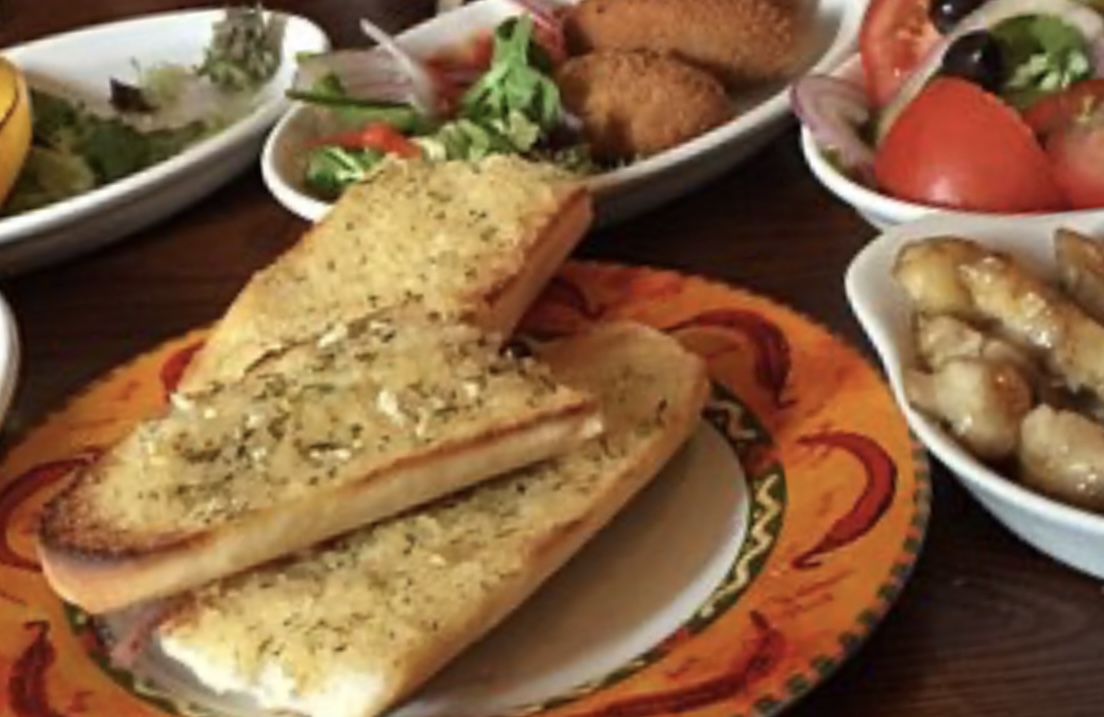
“Today, Spanish dining etiquette retains traditional elements, such as the emphasis on sharing food, reflected in the popularity of ‘Tapas’, they are hot and cold appetizers brought in platters to share and to keep ordering during your entire meal.” – Most authorities agree that in Spain, to be safe, always use utensils for dining, unless of course you’ve ordered or been served Tapas. Tapas (shown above) are small dishes of shared food, which are typically served as snacks or appetizers. They are a staple of Spanish culture and Spain’s cuisine. Served hot or cold, Tapas can make a full meal, when combined together.


Dining has been since the Roman civilization an important social event and many of their customs laid the groundwork for Spanish dining habits. During the medieval period, the Romans introduced the concept of “convivium”, or banquet, emphasizing the importance of communal meals and shared experiences. Meals were often served on a large platter from which diners would eat with their hands, reflecting both practicality and a lack of formal table settings.

As the Spanish Monarchy consolidated power, particularly under the reigns of Charles V and Philip II in the 16th century, table etiquette began to formalize. The introduction of silverware, intricate table settings, and the use of a variety of dining courses were significant changes. Nobility started to adopt more refined manners, such as using knives and forks, which were becoming increasingly common across Europe.

The Baroque period witnessed heightened ceremonial dining, where elaborate meals were often accompanied by strict rules of conduct. The importance of social hierarchy was evident; seating arrangements, serving order, and the presentation of dishes were meticulously planned to reflect status and power. The practice of holding lavish banquets became a means for monarchs to showcase wealth and influence.

In the 18th century, the influence of Enlightenment ideas contributed to changes in etiquette, including a shift towards more egalitarian dining practices. Although the essence of hierarchy remained, the focus on civility, politeness, and respect became more pronounced in royal circles.

The 19th and early 20th centuries marked a period of modernization. The influence of French dining customs were adopted, like the French style of service “à la française”, where dishes are presented on platters. The concept of a formal dining setting, complete with elaborate place settings and the proper use of cutlery, became increasingly important.

Today, Spanish dining etiquette retains traditional elements, such as the emphasis on sharing food, reflected in the popularity of “Tapas”, they are hot and cold appetizers brought in platters to share and to keep ordering during your entire meal. Formal dining still retains its place, especially in business and state contexts, where a clear understanding of hierarchy and decorum is vital. Greeting before meals, the proper use of wine and toasting, and the order of service are all observed meticulously in formal settings.

The history of protocol and etiquette at the table in Spain is a fascinating reflection of its evolving society. From ancient Rome to contemporary gatherings, dining customs embody the country’s diverse cultural heritage, social norms, and values. Understanding this evolution not only enriches the dining experience but also highlights the ongoing significance of hospitality and community in Spanish culture.


Meet our newest contributor, Isabel. E. Martinez, who was educated in Business Management at the Universidad Católica Andrés Bello, in Caracas, Venezuela. After relocating for a few years to Miami, Florida, Isabel developed a company teaching computer skills. Among her clients were Baccardi in Bermuda, and Mavesa, Telcel (Movistar), and Heinz in Venezuela. That is when she discovered her passion for teaching. As her children became adults, she shifted her focus and dedicated her time to teach on subjects she is very passionate about; Hospitality and Table Etiquette. Throughout workshops in English and in Spanish, Isabel works with employees in the hospitality industry, and those business professionals who when interacting with customers, would like to make sure that they are the most professional representations of their companies. Especially when attending business lunches and events. She also offers youth and teen courses in etiquette, helping them to excel with integrity and pride in whatever field they desire to pursue. To learn more about Isabel, visit her website: www.learningschool2.com or @isasetiquette 


🍽Etiquette Enthusiast, Maura J. Graber, is the Site Editor for the Etiquipedia© Etiquette Encyclopedia