Showing posts with label Handshake Etiquette. Show all posts

Tuesday, February 27, 2024

Wedding Receiving Line Etiquette

If you are a friend of the bride and unacquainted with the bridegroom she will introduce him to you after you have shaken hands with her. If you have not had an opportunity of congratulating her on her engagement you might say, "I must wish you both every happiness," but it is an old fashioned custom to offer good wishes to a bride at a reception, and therefore it is seldom done. – Image source, Pinterest
The Wedding Reception

Congratulations are usually offered as soon as an engagement is made known, and therefore there is no need to repeat them at the wedding reception. At the reception it suffices to shake hands with the bride and bridegroom after having shaken hands with the bride's mother. If unacquainted with the bride you should not wait to be introduced to her. She will offer to shake hands with you as a matter of course, you being a friend of the bridegroom and a guest in her mother's house. 
If you are a friend of the bride and unacquainted with the bridegroom she will introduce him to you after you have shaken hands with her. If you have not had an opportunity of congratulating her on her engagement you might say, "I must wish you both every happiness," but it is an old fashioned custom to offer good wishes to a bride at a reception, and therefore it is seldom done. 
Guests pass the bride and bridegroom so quickly that to pause and to make polite speeches would occupy too much time and would weary the newly married couple greatly if all the guests were to follow this lead. Handshakes and smiles are all that circumstances admit of on such occasions. 
Oftener than not, the bride has a word or two to say of thanks for a wedding present received on the previous evening, and this calls for a reply on the part of the sender before she can make room for another guest awaiting her turn to shake hands. – From “Good Form,” 1911


 🍽Etiquette Enthusiast, Maura J. Graber, is the Site Editor for the Etiquipedia© Etiquette Encyclopedia

Monday, June 14, 2021

Etiquette, Teens and Communication

A partial list of summer work examples could include: Babysitting, Coffee shop, Volunteer at a camp, Dog walking, Helping seniors at retirement homes with their computers


The end of the school term is quickly approaching in some regions while other places already have had children and youth home for the past month. This time of year can be angst-filled especially if you have teens who would prefer not to rise before 1:00 pm every day. Yet you know sleeping away the summer probably won’t be formative towards their maturing into adulthood. Heck, you’d even just like them to be reasonably sociable with the family during daylight hours!! Have you considered encouraging them to volunteer or even to sport an entrepreneurial idea of service in the neighborhood?

Some key benefits for the youth will pay in spades for their future. With the increase of screen time, there is a serious concern that young people won’t be able to communicate effectively face to face. In the not so distant past, teens would come to the house and greet the parents. Then hang out with friends in the backyard or play ball at the school playground. Nowadays, most of the time is actually spent being “sociable” on social media platforms or constant texting with virtual friends. There’s very little honest to goodness face to face anymore. It’s really quite frightening!!

An antidote to this challenging situation are summer jobs including volunteering!! In the 1980s, 70% of teens (age 16 to 19) had summer jobs. This number has declined yearly and in 2010 it reached 43% and has stayed about the same since (Bureau of Labor Statistics). Summer employment means that youth and adults are interacting together. These early working experiences prepare youth for being adept at communicating with people of all ages. This is a key skill that many hiring managers see very little of in the under 30 yr old set of new hires.

A partial list of summer work examples could include:

  • Babysitting
  • Coffee shop
  • Volunteer at a camp
  • Dog walking
  • Helping seniors at retirement homes with their computers

Granted, this age group of 13-15 yrs old may have more difficulty in finding paid employment. With a little ingenuity, they could find odd jobs at home or for family friends and relatives.

Now that some time will be set aside for these activities each day, it’s a good idea to role-play through the basic pointers of meeting new people that is getting lost because of those pesky gadgets.

Master the handshake…

  • Stand up
  • Eye contact
  • Smile
  • Shake hands by reaching for the web of the other person’s hand, gently squeeze
  • Say “Hello, my name is Susan” the respond with “Very nice to meet you, Kyle”

Art of conversation

This can be difficult because of a natural shyness. Teach them to realize that every conversation that they have with someone (especially an adult) is a connection with another human being. This is very enriching.

  • Have a list of conversation starters according to the age of the person – for instance, movies; books; summer holiday plans;
  • “Who; What; Where; When; How” questions are good standbys
  • Eye contact is crucial
  • Develop those listening skills – lean in; nod; smile…be interested in what the other person is saying

Polite Cellphone Manners

The cell phone should be out of sight when talking to an adult especially if that adult is a parent of the child(ren) one is babysitting.

  • Obey the 10 foot rule – refrain from talking on the phone if there is another person within earshot
  • Silent at the library; movies; live theatre; religious services
  • Never answer a text when talking to another person in front of you
  • Be master of the phone instead of the other way round. Try not touching the phone for 20 minutes, then one hour…maybe even the whole day


By Canadian Contributor and Civility Coach, Maria Doll ~ An etiquette authority, Maria has been conducting personal consultations, workshops, camps and seminars for children, teens and young adults since 2009. Her etiquette program and company Leadership Matters has been featured in print, radio & television media including articles in Entrepreneur Mom Now and in Culinaire Magazine. Her civility program has been featured in the Calgary Herald, Calgary Sun, Metro – Calgary, CBC – Radio & Television, CTV and Global TV.


Etiquette Enthusiast, Maura J. Graber, is the Site Editor for the Etiquipedia© Etiquette Encyclopedia

Tuesday, March 10, 2020

Sneeze Snub is Influenza Etiquette

Image
Avoid worry and turn your back on sneezes — In a time when the world faces another influenza pandemic, and briefly changes the etiquette for greeting others (avoid handshaking by touching elbows and avoid cheek kissing by putting one’s hand over one’s heart), it’s time to take a look at what was taught a hundred years ago. –An image of a Red Cross nurse published in Illustrated Current News, 1918. — Photo source, National Library of Medicine


Cover Coughs and Sneezes 🩺 Wash Hands Frequently and Thoroughly 🩺 Self Quarantine if Sick 🩺 Avoid Handshaking 🩺 Forego Cheek Kissing 🩺 Work from Home if Possible 🩺 Avoid Large Crowds🩺 Avoid Others Who May be Sick


The following is a summary of the talk given last week by Dr W. W. Crawford on the subject, “Preventive Measures Against Colds and Influenza.” An ordinary so-called cold may be the forerunner of such specific diseases as Measles, Influenza, Whooping Cough, Bronchitis and Tuberculosis. The germs of Colds and Influenza leave the body in the secretions of the mouth and nose, and enter the body through the same route. It is health etiquette to turn your back on sneezes. Remember coughing, sneezing and dust spread Influenza, and overcrowding helps these along. 

Remember, the close relationship between the nose and throat with the ears and sinuses. Therefore, see to it that your nose and throat are kept clean. Keep away from a house when the lady is sweeping with a broom or buy her a vacuum cleaner. Immunity may be artificial or natural. Keep your natural immunity up to the highest possible point by leading clean, wholesome lives. A great deal to do in keeping well is in your hands. Remember, doctors are only human and cannot do the impossible.— From an article in the San Diego Union, 1920


Etiquette Enthusiast, Maura J Graber, is the Site Editor for the Etiquipedia©️ Etiquette Encyclopedia 

Tuesday, January 8, 2019

Men’s Glove Etiquette

In the “bad old days” it was a capital offense to shake a woman’s hand with your glove on.

Male Polish – Good Taste Dictates Glove Etiquette

By Dot Goodwin

Dressing right is always a partly subjective proposition and in our era a lot of the old rigid “rules of dress” have been loosely treated and lightly taken. As a result, many “must” matters are now matters of taste. Take gloves. It's possible today to go gloveless and still be thought well dressed (except on formal occasions such as weddings where gloves are strictly required). Gloves, like hats, have dropped from the “necessary” to the “optional” class. But with the best-dressed men, and with those who put even a little extra time and thought into their wardrobes, both gloves and hats are indispensible throughout the winter months. 

“What gloves do I wear, and when?” Here are a few guideposts: 
Buck leather or dark gray suede gloves look best with gray or black coats. 
With a navy blue coat, pearl gray suede gloves are the ultimate in good dress. With coats in the brown group (including tan and beige), wear brown leather. In general, contrast the glove shade against that of the coat. 

For example, with a light tan or copper pepper-and-salt tweed, dark, grained pigskin gloves are in order. Note that this combination unites a casual coat with a casual leather. With a solid color or quiet herringbone topcoat, pick a more formal, smooth leather or suede. 

In the bad old days, it was a capital offense to shake a woman’s hand with your glove on. Not so today. Manners have become jet-propelled. It’s now far worse to keep a woman waiting while you shuck off your glove than to shake with it on. Nor should you apologize for a begloved shake. In truth, you're doing HER the favor by not dawdling. 

It’s unnecessary to remove your gloves when shaking a man’s hand. Indoors, you will have shed the things anyhow, leaving them with your hat. In the case of white-gloved ushers at weddings and funerals, of course, the gloves stay on. – The Sun, 1963 


Etiquette Enthusiast, Maura J Graber, is the Site Editor for the Etiquipedia© Etiquette Encyclopedia

Sunday, March 5, 2017

Etiquette and the Queen

When traveling abroad, she is happy if her host refrains from putting caviar on the menu because she does not like it. On introduction to the Queen and Philip, their hands not are actually shaken but the fingers simply touched in token of greeting or the Royal couple would have sprained wrists from greeting so many.


Manners Fit For A Queen

LONDON (UPI)—When Queen Elizabeth II is presented with a bouquet of flowers, she prefers them to be light scented. A heavy perfume will set her sneezing. When traveling abroad, she is happy if her host refrains from putting caviar on the menu because she does not like it. When conversing with a stranger, she does not mind if asked a direct question so long as the subject is not of an overly personal nature. 

These snippets of information are culled from a brochure which Buckingham Palace sends out to the British embassies concerned when the Queen goes abroad. The information is intended to be passed on tactfully to the several thousand people who are presented to the Queen on such a visit or who entertain her. Protocol naturally is formal; but is not as elaborate nor complicated as the public often supposes.

Fingers Only

On introduction to the Queen and Philip, their hands not are actually shaken but the fingers simply touched in token of greeting or the Royal couple would have sprained wrists from greeting so many. Gentlemen are expected to give a normal bow as they take the royal hand. Ladies give what Is known at court as “a short curtsy,” a little dip made by placing the left foot just behind the right and inclining the head. The old style, floor-touching curtsy, was abolished because it takes too long for the lady to go down and rise again. The deep dip slowed the receiving line. 

The Queen wears gloves, usually white ones, on outdoor: occasions and with evening dress. She prefers other women do the same because so much hand-shake is involved, but would never refuse to meet a woman whose hands were bare. Most men like to wear gloves for the same reason.

Elizabeth always takes a wardrobe of new clothes with her to compliment her hosts. Guests do not have to follow suit by buying a new outfit but they should be dressed fittingly. Very low-cut dresses always are considered inappropriate. 

Likes Flowers 

Bouquets of flowers should not be heavily scented because the perfume increases in a hot room or bright sunshine. The Queen likes locally grown flowers best and is interested in being told what they are and how they are grown. 

If the bouquet can be given to her by a child, so much the better because the Queen, a mother of four, likes to see children everywhere she can. She is never disturbed if a child suddenly turns shy at the crucial moment. She has long experience in putting them at their ease. Conversation with the Queen and Philip is an easy, natural thing. Both are skilled in leading it.

Etiquette allows them to be asked direct questions so long as they are not too personal. Would-be hosts are told that the Queen’s tastes are simple. Neither she nor the Prince likes soups, oysters, other shellfish or caviar. The Queen is fond of China tea while Prince Philip drinks coffee whenever he can. Both are fond of fresh fruits and enjoy chicken dishes.

Prince Cooks 

They like to sample the local specialities. Prince Philip, who takes great interest in cooking and does a little himself at home, often asks for the recipe of an unfamiliar dish he has enjoyed. The Royal couple do not smoke. They drink wine and champagne at formal meals and the Prince takes an occasional glass of light beer with his lunch. — Desert Sun, 1969


👑Etiquette Enthusiast, Maura J Graber, is the Site Editor for the Etiquipedia© Etiquette Encyclopedia
Sunday, April 10, 2016

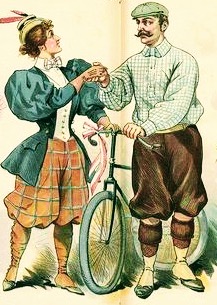
Etiquette of the Handshake

An excellent English authority says that the fleur dus pots, the creme de la creme, the quite too-too people, do not indulge in this practice as much as the upper and lower middle classes...

Etiquette, Theory and Art of Handshaking


Why do we shake hands? No one appears to know. It does not mean much, if anything. Who has not suffered from the strong and hearty grasp of, let us fondly hope, ardent friendship, when our, perhaps, wringed hand is wrung with fervor? 

Who has not suffered from the man who, when you meet him, holds your hand as if it were a pump handle for ten minutes and will not let go? Who has not suffered from that other who will not hold on at all but allows you to do the shaking process for him? Who is unacquainted with the man with the clammy hand? Why must we shake hands with him? Yet we all do it; we dislike it; we dislike it very much, even; he sees we dislike it, that it is positively distasteful to us; yet, meet him tomorrow, and out comes his hand once more to engulf your own.

An excellent English authority says that the fleur dus pots, the creme de la creme, the quite too-too people, do not indulge in this practice as much as the upper and lower middle classes, for there every one shakes hands with every one on entering and leaving a room, on meeting in the street and on saying "good morning," "good night" or,"goodbye." It is not for a moment meant to say that the grasp of a hand is always a bore; not at all. The gentle pressure and the unmistakable grasp of love, that is handshaking; that the vapid how do's of some of the young ladies and gentlemen of today, as, with raised elbow, limp wrist and scarcely pressing fingers, they give you a sort of shake in a bored way, is absurd. 

One of the most unpleasant persons to shake hands with is the nervous man who cannot make up his mind whether to shake hands with you or not; who does not hold out his hand when you offer yours; but the moment you have withdrawn, and pocketed your hand, stuffs his out, to be again perhaps withdrawn again too soon for you to catch and shake it. This specimen may be and classed with his twin bore, the person who does not know which side of the pavement he proposes passing you upon, and who does a sort of imbecile, dodging, cavalier seul before you, in an agony of indecision. There is only one thing to be done with him, walk straight at him, and you are safe. — Los Angeles Herald, 1891

Etiquette Enthusiast, Maura J Graber, is the Site Moderator and Editor for the Etiquipedia© Etiquette Encyclopedia

Tuesday, October 6, 2015

Etiquette and Art of Introduction

"The debatable question as to whether a woman should shake hands with a man who is being presented to her, has been solved by making it only obligatory, for the woman to offer her hand to the man when the occasion is informal, and the man is being introduced to one person at a time."


Art of Introduction

There are few people who have not suffered at one time or another by the off-hand manner in which they were introduced to others. This kind of introduction is likely to embarrass some people, just as the careful and gracious introduction is one of the essentials in putting strangers at ease.

In introducing people the greatest care should be taken to pronounce both names distinctly.  If one name has escaped the introducer's memory it is safest and best to excuse oneself, and ask for the forgotten name. The most delicate sensibilities should not be wounded by such a slip of memory, for who is there who has not at some time or another quite forgotten a well-known name?

The debatable question as to whether a woman should shake hands with a man who is being presented to her, has been solved by making it only obligatory, for the woman to offer her hand to the man when the occasion is informal, and the man is being introduced to one person at a time. When he is meeting a group of people, it makes it embarrassing and awkward to shake hands with all.
– Los Angeles Herald, 1906


Etiquette Enthusiast, Maura J. Graber is the Site Moderator for Etiquipedia© Etiquette Encyclopedia