Showing posts with label Etiquette for Stemware. Show all posts

Wednesday, August 14, 2024

Elegant Entertainment with Ease

“Don't be afraid to use your finest tableware and serving pieces, and don't feel as though you must wait for a special occasion to bring them out of the cabinet,” advises Isabelle von Boch, an international hostess, etiquette expert and eight generation member of the family who designs and manufactures Villeroy and Boch china and crystal.

Kitchen Talk: Tips from Isabelle von Boch

The young executive doesn’t have much time to prepare a balanced meal, and many an executive feels that the only way to eat well is to eat out.

Not so! With a little ingenuity, good ingredients and attractive china and crystal, an interesting meal is easy to prepare and you'll even have time for dessert. In fact, you may decide to make the dessert the center of attraction.

Buy a roast chicken, make a fresh garden salad, serve a sparkling white wine spritzer and spend a little time on making or choosing a dessert and you've made an elegant meal in just minutes.

“Don't be afraid to use your finest tableware and serving pieces, and don't feel as though you must wait for a special occasion to bring them out of the cabinet,” advises Isabelle von Boch, an international hostess, etiquette expert and eight generation member of the family who designs and manufactures Villeroy and Boch china and crystal. “Even the most basic, seemingly ordinary meal can be made more glamorous and appealing when it's beautifully presented.” 

Here are some other hints for the gourmet touch:
  • Prepare ahead: If you're having company, there's no need to rush home early. Set your table the night before.
  • Mix rather than match china and be sure to have attractive wine glasses - they're inexpensive and “dress up” any table. 
  • Chop vegetables for your salad the day before dinner and refrigerate in ice water. 
  • Chill the wine and place in an ice bucket near the table to remain chilled. Open a few minutes prior to serving to allow the wine to “breathe.”
  • Intermingle china and crystal patterns using colors and shapes as unifying theme and discover new multi-uses for your crystal. For example, champagne flutes make exquisite parfait glasses for chocolate mousse and other desserts. 
  • Set a special table with accessories such as ceramic figurines, paperweights or individual ceramic boxes filled with “goodies” such as nuts or after dinner candies  
  • Be innovative with your table linens. Find fabric that will make a fun and festive backdrop for your china. 
  • Set up a serving table with foods, salads and dessert dishes nearby, allowing you to remain seated while serving guests. – The Desert Sun, 1984

 🍽Etiquette Enthusiast, Maura J. Graber, is the Site Editor or the Etiquipedia© Etiquette Encyclopedia 

Monday, November 26, 2018

Champagne and Stemware Etiquette

Table setting etiquette advice from a mid-20th century Canadian table setting book, “Glamour and the Hostess”  

The advice and illustrations above and below are from “Glamour and the Hostess: a guide to Canadian table setting. With general table setting rules, family meal service, details of family service, setting the formal dinner table, formal luncheon service, hostess pointers, special occasion tables, wedding anniversary parties, flatware for every occasion...” by Marie Holmes. This is a great vintage book for etiquette book collectors like myself, and for those who wish to be precise when setting their tables.

Berries and sorbet are served up alfresco, in a champagne coupe-style glass. Holding it by the stem with one hand, while eating from the glass, with an ice cream fork or spoon in the other hand, helps keeps the sorbet cold and the glass from tipping over onto the china plate and table. – Photo and text, the RSVP Institute of Etiquette  


In the 60 or 70 years since this book was written, champagne “flutes” and “tulip shaped” champagne glasses, have become much more popular than the champagne “coupe” glass (shown at the top of the diagram above), which has more or less been relegated to the elegant serving of sorbets, desserts, or even offering up butter “balls,” small amounts of sauces or condiments at the table. 


As the shape of a glass is designed to affect the aromas, flavors and finish, the bowl of a “tulip-shaped” champagne glass is now the preferred style glass for more discerning champagne drinkers. Ultimately, though, the glasses you choose to set on your table, whether they are beloved family heirlooms or a special gift from a friend, are like your choice of plates and flatware, a matter of personal preference and taste. 


Etiquette Enthusiast, Maura J Graber, is the Site Editor for the Etiquipedia© Etiquette Encyclopedia 


Stemware and Brandy Etiquette

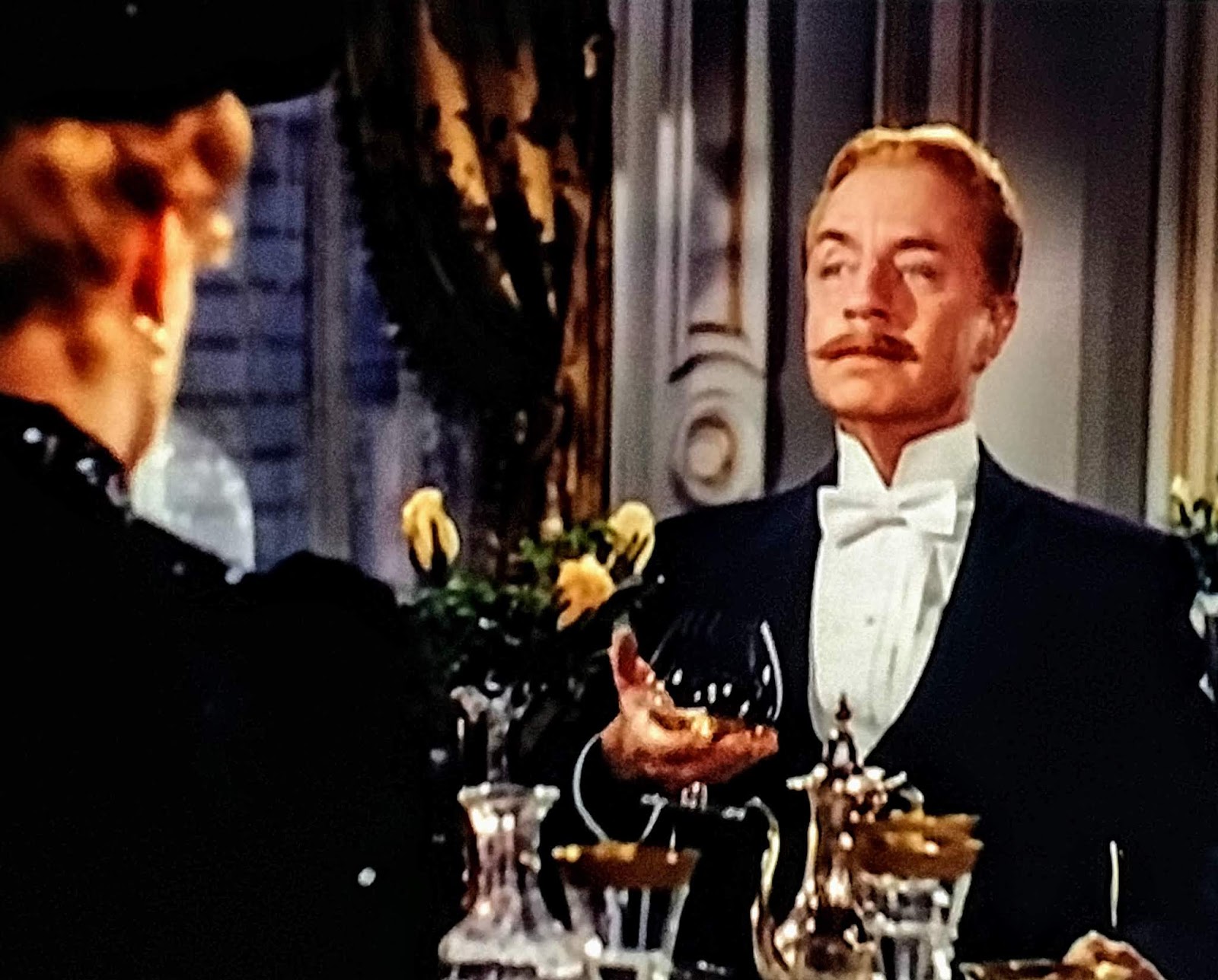
Only three sizes are necessary to complete a basic stemware place setting: a water goblet, an all-purpose wine glass and a champagne flute. Nice additions to the basic three are the cordial glass and the brandy snifter.– Like vodka or whiskey, brandy is a “distilled spirit.” Because of this, cocktail glasses can also be used when drinking brandy, however a ballon snifter is the best choice. Known for its large “bowl” and almost nonexistent stem, a snifter allows the aromas and flavors to blossom and build inside the glass, so that the drinker gets a more enhanced experience. The brandy snifter is the lone exception to the stemware etiquette rule, “Stem always, bowl never.” The snifter is best cupped in the palm of the hand, with the shortened stem in-between the middle and ring, or middle and index fingers. The hand’s warmth transfers easily through the glass bowl, enhancing and releasing a brandy’s aromas. When lifting a snifter of brandy to drink, the aromas have had the room to expand. After warming the glass in your hand, taking the briefest whiff before sipping your brandy, makes the complex flavors easier more discernable and pleasurable.


 Crystal Stemware... The Glass with Class

Crystal stemware and weddings are intrinsically linked, whether in festive table settings or in wedding gifts. However, selecting the right stemware from the many sizes and shapes available can seem complicated. Typically, a manufacturer might offer as many as nine different kinds of stemware in each of its patterns. They are (in descending order of size) the water goblet, burgundy, white wine, hock, sherry and cordial. In addition, the champagne flute or saucer-shaped champagne coupe and the brandy snifter are often also part of the set. Only three sizes are necessary to complete a basic stemware place setting: a water goblet, an all-purpose wine glass and a champagne flute. Nice additions to the basic three are the cordial glass and the brandy snifter. 


Since these latter two normally are used after the meal, they do not have to match the principal stemware pattern. Don't think of the norms as rules, however, says Barbara Tober, editor of Bride's magazine, because almost any glass can be used for any occasion. She offers these guidelines: For maximum enjoyment of wine, choose a glass with a clear bowl generous enough to hold at least four ounces of wine. Select a gracefully-shaped glass to present a pleasing appearance on the table, and one that is comfortable to hold. The key to getting maximum enjoyment from your crystal, however many pieces you may have, is to use it for a variety of beverages and food. For example, Claude Loisel, president of Cristalleries de Saint-Louis, says the water goblet can also be used for iced tea, soda and juice. lt can even hold red wine, if a very large glass is desired. 

Wine glasses are the most diverse of all crystal, since they vary in size and shape according to the type of wine to be served. When only one size is purchased, normally it will be the burgundy glass which can be used for red and white wines. The champagne glass is particularly useful, since champagne figures prominently at life’s celebrations. Nowadays, the saucer-shaped bowl that used to be popular has been superseded by the flute (known as a tulip when the rim curves slightly inward). The elongated shape and narrow mouth prevent champagne bubbles from dissipating too rapidly. Alice Kolator, of Lenox China and Crystal, advises taking the dinnerware into consideration when choosing the crystal pattern. “Look at the two patterns in a place setting to make sure they complement each other.” she suggests.– By Barbara Mayer, AP Newsfeatures, 1989

Etiquette Enthusiast, Maura J Graber, is the Site Editor for the Etiquipedia© Etiquette Encyclopedia