Showing posts with label Etiquette in Ukraine. Show all posts

Thursday, October 31, 2024

Ukrainian Hospitality and Etiquette

“This beautiful country has small traditional differences in customs, because it was located on a large territory. One of the most famous cultural features is Ukrainian hospitality.”

There are many interesting traditions and rites in Ukraine. This cultural treasure was passed down through the generations. Something remained in the past, and something was acquired. This beautiful country has small traditional differences in customs, because it was located on a large territory. One of the most famous cultural features is Ukrainian hospitality. 


We will consider the good manners of the guest and the host, as well as the rules of hospitality that you can find in most families today using the example of a classic dinner party. Guests are invited at least a week in advance. The host and hostess always carefully prepare for this event, because in Ukrainian culture a guest is an important person. 


The hostess prepares many different dishes so that the guests can not only appreciate the culinary skill, but also not stay hungry. Food on the table is as an important element of hospitality as it was then, and today. One of the key symbols of Ukrainian hospitality is bread and salt, which are necessarily present on every table.


Guests must arrive on time or up to 30 minutes late. Coming earlier is a sign of bad manners. A well-mannered person may come with a gift to the hosts. It can be something small to express attention. Wine or champagne, a box of candies or other sweets. It is also possible to present flowers to the mistress of the house.

When there are children in the house, they are usually given fruits, sweets or small toys. However, it is important to emphasize that before giving children something, you should ask their parents for permission first.


When the guests have gathered, bread, snacks, and salads are already on the table. Everything is served on common plates. The hostess presents her dishes and helps to lay out the treats from the common platter to the guests. 

After common meals, guests can take a break and leave the table. The hostess removes everything from the table except the glasses. Then a table is served for hot beverages and cake or other sweets. Іn Ukraine cakes, pastries and chocolate are always served together with tea and coffee.

The host usually offers alcohol and is responsible for ensuring that each guest has a glass filled with either wine or “uzvar” (Ukrainian drink) etc…


After a short period of time, the main dishes are served on common plates. It happens like this: either the hostess serves a dish to each guest on a plate in turn, or the guests pass the dish to each other, personally placing the dish on their plate.


Communication is an integral part of the evening, guests and hosts conduct various conversations on comfortable topics, maintaining a friendly and warm atmosphere.
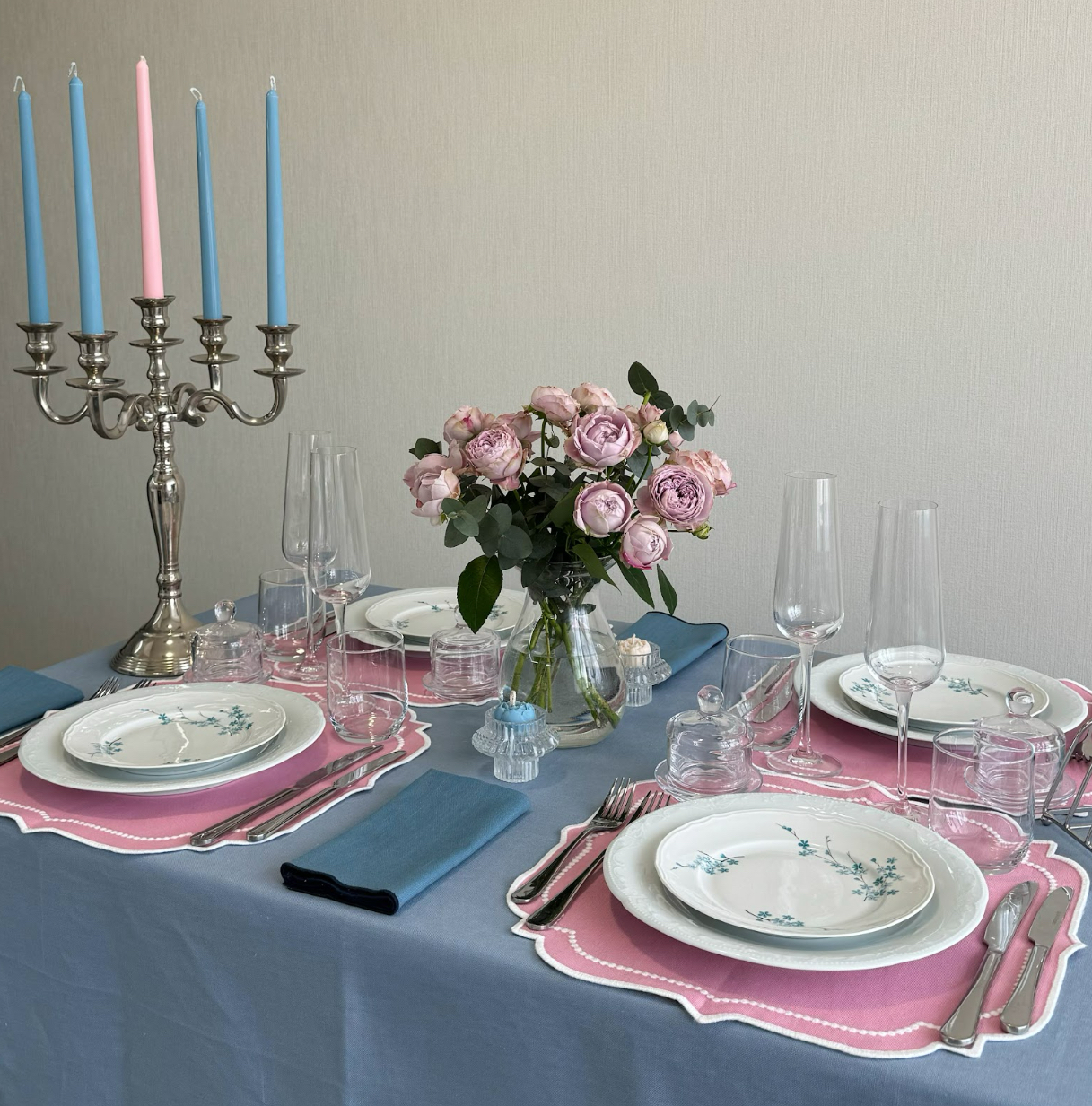
Guests must arrive on time or up to 30 minutes late. Coming earlier is a sign of bad manners.

After common meals, guests can take a break and leave the table. The hostess removes everything from the table except the glasses. Then a table is served for hot beverages and cake or other sweets. Іn Ukraine cakes, pastries and chocolate are always served together with tea and coffee.


After dessert, the evening comes to an end, the guests are still communicating, but little by little they begin to go home. The hosts will always kindly offer to call a taxi to those who were driving, in order to take care of the guests' safety.

After the dinner is over, the next day it will be polite of the guests to write or call the hosts and thank them for a wonderful evening.


Ukrainians are very hospitable people, and you will definitely see this when you visit their homes. Just do not forget about these small recommendations - this way you will show your respect to the hosts. – By Alisa Kazka


 Our newest contributor is etiquette authority, Alisa Kazka of Ukraine. Alisa is the founder of the “Way of Living: Etiquette School.” She is an etiquette enthusiast and her expertise as a table stylist may be known to followers of our table setting competition. Engaged in the business of etiquette for more than 5 years now, she teaches adults and children good manners, how to become confident and to be internally free in various life situations, stressing the importance of mutual respect and getting to know other cultures. One of her favorite subjects is the topic of hospitality… high service, dining etiquette and gastronomy. You cab follow Alisa on Instagram: @alisa_kazka or her school, @way.of.living_etiquette


🍽Etiquette Enthusiast, Maura J. Graber, is the Site Editor for the Etiquipedia© Etiquette Encyclopedia 

Monday, October 6, 2014

Etiquette for Dining in Ukraine

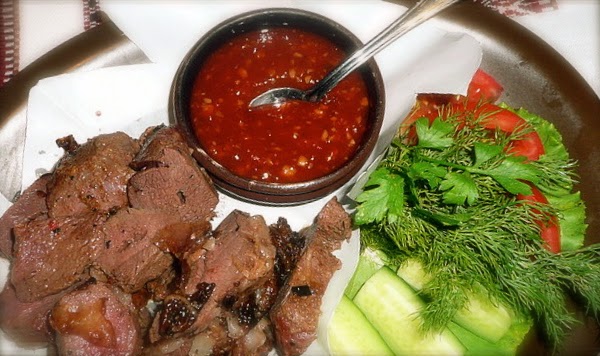
"Dining refinements are key because you never get a second chance to make a first impression, like after spilling shashlik sauce on your pants." A great secret to eating in Ukraine, if you are just visiting the country, is to not ask for a "restaurant," according to ukraine.pacsys.com  "The word restaurant has a different connotation in Ukraine. The Ukrainian word 'restaran' implies a high-class, elegant dining experience, often with live music. They are mostly used for weddings, banquets and big celebrations. For a delicious, inexpensive meal in Ukraine, ask for a cafe. These are the standard places for everyday dining in Ukraine."


Looking Fine, While Fine Dining in Ukraine


Table manners play an important part in making a favorable impression, and are essential to one's personal and professional success. Dining refinements are key because you never get a second chance to make a first impression, like after spilling shashlik sauce on your pants.

Obviously, there is a degree of flexibility involved. It can be hard to project success in certain Kyiv restaurants, where you have to get down on your knees and beg your waitress for a menu, or stand on your chair at the conclusion of your meal and wave your napkin semaphore-style in order to secure the bill. In other words, not every dinner calls for a complete working knowledge of table manners.

     
The goal is to behave with graciousness and poise at the table... Slouching is not approved of, regardless of how good you may look. Remember, your posture silently speaks volumes about you.

“The goal is not, after all, to demonstrate utter mastery of the most arcane details of etiquette,” says an article oncuisinenet.com. “[but] to behave with graciousness and poise at the table.”

Napkin Use


As soon as you are seated, place your napkin on your lap, and use it sparingly and gently throughout the meal. Leaving it loosely folded on your seat when standing up from the table signals you’ll be returning. Leaving it to the right of your dinner plate signals you have concluded your meal.

The Table Setting

Not every dinner calls for a complete working knowledge of table manners, but, again, watch that posture. Good manners means no slouching! And please keep your elbows off of the table too.

Faced with a baffling arsenal of cutlery and dishware, follow two basic rules: Imitate the actions of your host or fellow diners and typically eat from the outside in, proceeding with those forks and knives furthest from the center of your setting and working your way inwards.

On the far left is typically found the salad fork, followed by the fish fork and meat fork. On the far right you may find a small oyster fork, followed by the soup spoon, fish knife and meat knife. Spoons may also accompany a serving of dessert or coffee and tea. Once used, each should be returned to the saucer (but not bowl) on which it arrived, but never to your dinner plate.


Holding On

The guides describe the European style as less formal, since you can use your knife both to cut up your food and load up items like peas on your fork.
Etiquette guides define two styles for holding utensils: the American or “Zig-Zag” style, and the European or Continental style. The first system refers to the habit of cutting at most two bites of meat with the fork in the left hand and knife in the right, and then placing the knife on the rim of the plate and switching the fork to the right hand before taking a bite. The guides describe the European style as less formal, since you can use your knife both to cut up your food and load up items like peas on your fork. In general, however, food should be eaten off of the fork with the tines pointed downward. “The position of the knife and fork when not in use acts as a sort of semaphore,” cuisinenet.com adds.

Soiled utensils should never touch the table, but remain on the plates for which they were designed (salad fork on salad plate, meat/fish fork and meat/fish knife on dinner plate, etc...). Keep the blade of the knife pointed toward you and the fork tines preferably pointed up or down, but never facing another person. When taking a small break in eating, the fork and the knife should balance on the rim of the plate; when receiving a second helping, they should lie parallel on the right side of the plate; and when you’ve finished your meal, they should lie parallel either across the plate or on a diagonal.


Brushing Up

Eaten with the fingers ~ Foods which may be eaten with the fingers include artichokes (until you reach the heart), asparagus (when not covered in sauce), crisp bacon... 
There certainly is no shortage of dining rules. Foods which may be eaten with the fingers include artichokes (until you reach the heart), asparagus (when not covered in sauce), crisp bacon, bread and rolls (always broken, never cut), cookies, corn on the cob, hors d’oeuvres, sandwiches and fruit.

Inedible foods should come out of the mouth the way they went in – olive pits in the hand, chicken bones on the fork. But, to repeat, style and flexibility are all-important.

“When a piece of fat is too big to be removed with the fork, use a napkin discretely to discard the meat,” advises the askmen.com Web site, which clearly hasn’t heard of salo, and doesn’t know it should simply be swallowed.


Main article used was originally published in 2003 in the Kyiv Post

🍽Etiquette Enthusiast, Maura J. Graber of The RSVP Institute of Etiquette, is the Site Editor for the Etiquipedia© Etiquette Encyclopedia