Showing posts with label Kindness and Etiquette. Show all posts

Tuesday, July 22, 2025

Etiquette and Grace: Stronger Together

Allowing Etiquette and Grace 
to Build Connections

Congratulating Colleague with HandshakeImage Source: stylephotographs; "Businesswoman as boss congratulates with handshake on promotion or hiring.", 2025. Accessed via https://www.123RF.com/photo_198301631, Standard License.

While etiquette provides the framework for proper behavior, grace adds the heart and soul that transforms mere protocol into genuine human connection. Understanding how these two concepts work together can revolutionize your personal and professional relationships.

Grace enhances etiquette by infusing it with warmth and sincerity, making our adherence to social norms feel genuine and heartfelt. Together, they create a harmonious interaction that reflects both respect for others and an innate sense of dignity.

What Is Etiquette?

Etiquette encompasses the established conventions  and guidelines that govern polite behavior in social settings.  These guidelines serve as a universal language of respect, helping us navigate everything from business networking events to intimate dinner parties.  Acting with propriety creates a comfortable environment where everyone knows what to expect, reducing anxiety and allowing genuine interaction to flourish.

Traditional etiquette covers various aspects of social interaction, including dining manners, conversation protocols, professional conduct, and formal event behavior.  These guidelines exist not to constrain us, but to provide a framework that demonstrates consideration for others. When we follow etiquette guidelines, we signal respect for those around us and create an atmosphere of mutual courtesy.

Grace as the Heart of Human Connection

Grace transcends mere rule-following to embody the spirit behind proper behavior.  It represents kindness, compassion, and understanding in action. While etiquette guides us as to what to do, grace leads us in how to do it with genuine care for others' feelings and experiences.

Grace manifests in small gestures: offering a warm smile to a nervous newcomer at a networking event, patiently listening when someone struggles to express themselves, or handling an awkward social moment without drawing attention to another's mistake. 

Where Etiquette and Grace Intersect

The most effective social interactions occur when traditional etiquette principles are infused with genuine grace.  This combination creates an environment where people feel both respected and valued.  Consider the difference between a host who perfectly executes dinner party protocol versus one who does so while also ensuring every guest feels welcomed and included in conversation.

In networking situations, someone who combines proper business etiquette with gracious attention to others' interests and needs becomes memorable for all the right reasons. They remember names, ask insightful questions, and make connections that prioritize the needs of others.

Practical Applications in Daily Life

Professional Settings
Grace-filled etiquette in the workplace might involve acknowledging a colleague's contribution in a meeting, even when it wasn't required by protocol. It means being punctual and prepared (etiquette) while also being understanding when others face unexpected challenges (grace).

Social Dining
Proper table manners demonstrate respect for fellow diners and the host's efforts. Adding grace means being patient with children learning to navigate formal dining, discreetly helping someone unfamiliar with certain utensils, or smoothly changing the subject when conversation turns uncomfortable.

Family Relationships
Even within close family circles, maintaining courteous behavior shows ongoing respect for loved ones.  Grace in family settings involves patience during difficult conversations, celebrating others' successes genuinely, and offering support during challenging times without being asked.

Building Stronger Relationships Through Gracious Etiquette

When we consistently combine proper etiquette with genuine grace, we become the kind of people others enjoy being around.  This approach builds trust, as people recognize that our courteous behavior stems from authentic care rather than mere social performance.

Gracious etiquette also provides a framework for handling difficult situations with dignity. When conflicts arise or mistakes occur, having established patterns of respectful, caring behavior makes resolution more likely and preserves relationships that might otherwise be damaged.

The Ripple Effect of Gracious Behavior

Perhaps most importantly, practicing etiquette with grace creates a positive ripple effect in our communities.  When we consistently treat others with respect and kindness, we model behavior that others often mirror.  This contributes to creating social environments where everyone feels valued and comfortable.

The investment in learning and practicing both etiquette and grace pays dividends in every area of life.  Professional opportunities expand, friendships deepen, and family relationships strengthen when we approach others with both proper respect and genuine care.

Ultimately, the marriage of etiquette and grace transforms social interaction from mere obligation into opportunity—the opportunity to brighten someone's day, build meaningful connections, and contribute to a more courteous, caring world.


 Contributor, Candace Smith is a retired, national award-winning secondary school educator, Candace Smith teaches university students and professionals the soft skills of etiquette and protocol. She found these skills necessary in her own life after her husband received international recognition in 2002. Plunged into a new “normal” of travel and formal social gatherings with global leaders, she discovered how uncomfortable she was in many important social situations. After extensive training in etiquette and protocol, Candace realized a markedly increased confidence level in meeting and greeting and dining skills and was inspired to share these skills that will help others gain comfort and confidence in dining and networking situations. Learn more at http://www.candacesmithetiquette.


🍽️Etiquette Enthusiast, Maura J. Graber, is the Site Editor for the Etiquipedia© Etiquette Encyclopedia 

Wednesday, September 4, 2019

Taking Responsibility is Good Manners

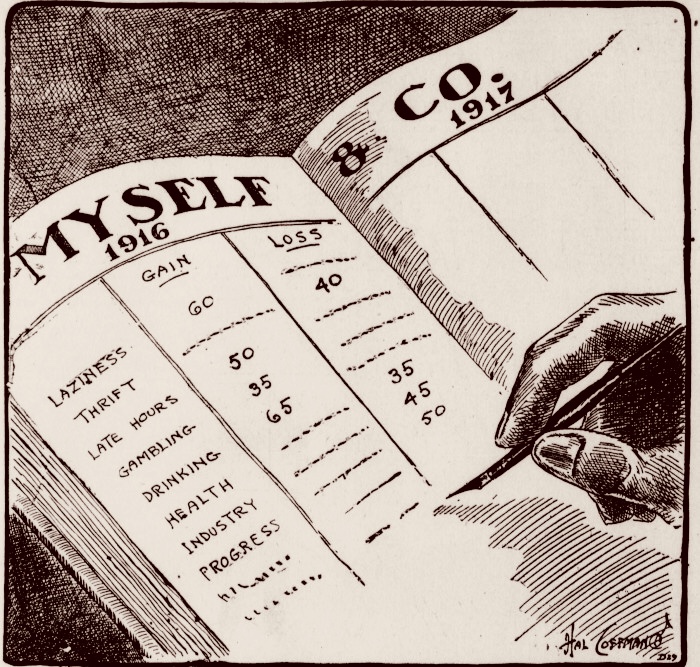
Accepting responsibility for one’s actions, is taking the first step in becoming a healthy-minded and polite adult. Showing respect for others, while retaining respect for oneself, is the basis of all good manners and etiquette. – “My bad” has become an all too common phrase nowadays. It’s evolved into a flippant response to a serious issue. To allow a child or teen to casually take responsibility for doing wrong, with a “my bad” or “whoopsie!” while not actually acting responsibly or showing any remorse for their actions, is just asking for a spoiled adult to emerge later on. Until one learns to accept responsibility for one’s own actions, failures and accidents, it will be very difficult to develop the self-respect needed to show respect to others, or even earn the respect of others.

“You Naughty Chair, You!” 

“Naughty chair—you made me fall down. I hate you. I'll hit you.” Thus instinctively cries the toddler, and thus, too, in essence, cries many an adult in adversity. Perhaps one of the most difficult things which any of us has to learn, is to admit ourselves the authors of our own mishaps. It is too much easier to cry “naughty chair” than to place where it belongs the responsibility for our own blunders, awkwardnesses and stupidities. To blame the force of circumstances, the stenographer, business depression or the weather, is far more comfortable than to admit that we are inefficient, lazy, cowardly and prone to be sorry for ourselves. 

It is human nature to look for a scape goat, and only proper education can check the universal tendency. Many mothers in thoughtless sympathy tell the child who has tripped and fallen to “spank the rug” for being so wicked as to knock him down. They help him blame the hammer that hit his thumb and think it funny when he stamps on the pin that pricked his finger. He is permitted to brand as “bad” anything which makes him unhappy or balks his wishes. He is allowed to get relief from whatever makes him uncomfortable by placing the blame on something or somebody else. 

The child is most likely to be happy and successful in adult life, who, when he has tripped over a chair and hurt himself, picks himself up, rubs the sore spot, wipes away the tears that spring to his eyes, and proceeds to place the chair where he won’t be tripping over it again. When, because he jammed his finger in the door, he feels impelled to pull the cat’s tail, he should not be laughed at, but made to realize that when we have pain we don’t take it out on the nearest victim, but grit our teeth and bear it while it lasts. – From Talks to Parents by Mrs. Agnes Lyne, 1929


Etiquette Enthusiast, Maura J Graber, is the Site Editor for the Etiquipedia© Etiquette Encyclopedia
Wednesday, September 21, 2016

Hilary Robinson on Etiquette and Grief

How to Help Friends in Grief
Early 20th C. Black mourning attire for a woman– 
Give some thought to the way in which one deals with having friends who are in mourning.

“I wrote this several years ago (although have little memory of doing so) but because the subject is too often part of our lives, and advice about it is often wanted but not sought out, I thought it was worth re-posting.”– Hilary Robinson

I’ve recently been on the receiving end of condolences and it has caused me to give some thought to the way in which we deal with having friends who are in mourning.

The conclusion of a life is a strange time for all those involved, not just immediate family but friends, acquaintances, work colleagues and even people we see casually or sparingly throughout life – the friendly dry-cleaner, the nice woman at the deli. No one really knows what to say, what to do or how to act, including the person doing the grieving.

I had this pointed out to me afresh the other day. Someone I haven’t seen or spoken to since all this happened sent me an instant message saying “how are you? how’s the family?”.

I, in my still slightly foggy state, couldn’t remember when we’d last spoken and couldn’t actually remember if he knew my news. What to do? It seemed blunt to just come out with it and stupid to beat around the bush so I took a half-way approach and said that I was fine but mourning was a tiring business. He, because he knew of the underlying situation, understood immediately and sent his condolences but, poor thing, was then completely stymied about what to say next. He felt badly because to his mind he didn’t have the ‘right’ words. He felt like he should say something profound.


Should I call?

Telephone calls can be difficult so unless you are very close to the person grieving stick to writing a note. Aside from the fact that there are many arrangements that need to be made in the first few weeks (all by telephone) it is also a much more wearisome thing for the person having to say “I’m fine thank you” or “We’re about as you’d expect” and so on.

When they are ready for calls, they will let you know.


Should I write?

I think many people are put off writing letters of condolence because they don’t know what to say. Somehow they think they need to be profound and have the ‘right’ words, or they think they’ll sound stupid, overly-sentimental or that the person they are writing to won’t want to be reminded of the situation.

I can only speak to my own experience, but I feel sure it’s not unique: it was lovely to get notes, letters and emails; it was lovely to know that the person I loved, respected, admired and missed so much, was loved and missed by others and that friends had me in their thoughts.

If you find yourself in a situation where someone you care about has lost someone they care about, write to them. They will, eventually, be glad to have it; it may even be passed to other generations – we still have all the letters written to my grandmother after my grandfather died and they give me an insight into someone who exists only on the edges of my memory.

If you think you would struggle with what to say in your letter, card or email (in these cases hand-written is so much nicer, but email works too), here are some places to start – it’s not necessarily easy, but it’s not necessarily meant to be:

If you were well acquainted with the person who died and spent time with them:

Include a few of your memories of them, such as: “I remember when we…” or “I still laugh when I think of…”

Talk about their character or personality “I always admired the way he…”

Don’t be afraid to say that you too will miss them: “I’ll miss the way she brightened up a room”.

If you really only know the person or people left behind simply speak to their sense of loss and/or use things that you know about the person who has died:

You can use phrases such as, “I know you will miss his tenacity and strength of character” or simply, “I know how much you will miss her.”

There are a few things that it’s best to steer clear of, at least for the first while:

Talking about it being a release; best for the person who has gone; that they have been relieved of their suffering. All this may be true but it doesn’t take away from the reality that a much loved person was taken “too soon”, for whatever reason – keeping in mind that too soon can be from 0 to 102 – and that this pill is a bitter one to swallow.

Be careful about religious references unless you know the strength and depth of the person’s faith; grieving can test these things, so tread lightly.


What do I say?


Often times running into someone in mourning is the most difficult thing of all. Grief is the elephant in the room. Should you ask them how they are? Give them your condolences? Give them a hug? Tell them it will be get better with time?

The best thing to do is judge the situation carefully – the better you know someone the easier that is. These few tips might help no matter how well you know the person:

By all means, give your condolences but keep the encounter short, not ‘rude short’ just not prolonged. There are only so many ways for someone to say they are fine when they don’t mean it.


Be careful about asking how they are, sometimes the mere question is enough to provoke upset (usually unexpectedly for all concerned). You can get around this (if you feel you need to ask the question) by asking about other family members and working your way back to the person in front of you.

Hugs are great if you are somewhere out of the way and if you know the person well, otherwise, steer clear. Someone gave me a hug at the office – quite unexpectedly – and it really threw me.


The thing that should be avoided is telling someone things will get better with time. Things will, but no one in that situation believes it and all it means is that they have to summon up the strength to agree with you.
Should I bake a pie, make a casserole, send food?

One of the loveliest things that someone did for us was send a grocery order. An old and cherished friend went online and ordered all the things we had loved and shared in my parents’ kitchen over the years. It made us all cry but it also made us laugh as we unpacked and commented on her choices.

Others made food or brought over good coffee or dropped things off on the front porch. It was all welcome – we certainly weren’t going to be cooking, even eating was touch-and-go; having the food in the fridge ensured that if we were hungry we could eat.
Kindness is the key

As I said at the beginning, the conclusion of a life is a strange time for all those involved. The key thing to remember is to be kind.

To the person in mourning: Be kind to yourself. Don’t put pressure on yourself to be happy (or sad), to go out or stay home – you get a pass, pretty much, to do what you need to do for yourself.

To the friends, family and others who surround the person grieving: Be kind. Mourning doesn’t finish at a funeral, it merely begins. It is a very strange time and no one ever knows how it will affect them; some days are good, some are less so. Give the person the space they need, or the company they crave but feel they can’t ask for. Keep in touch but don’t force; call but don’t bombard.

Make sure they know they are loved and supported and you will be doing your job as a friend.


Hilary Robinson is the Senior Trainer and Owner of Polished Professionals in Toronto, Canada. With her background, spent running events for Prime Ministers, CEOs and academics (in the UK and Canada), one might think that she’s all about following the rules. However, she prefers to train people to understand their parameters, what it means to follow them, what advantages there are in knowing how and when to bend them, and the value in using good manners to put others at ease. With 20 years working worldwide in events and communications, Hilary believes manners and courtesy are not only powerful communication tools but the foundations on which self-confidence and success grow.


Etiquette Enthusiast, Maura J Graber, is the Site Editor for the Etiquipedia© Etiquette Encyclopedia