Showing posts with label Etiquette and Respect. Show all posts

Wednesday, August 6, 2025

Etiquette: The Right Tools

Etiquette is Akin to 
Using the Right Tool
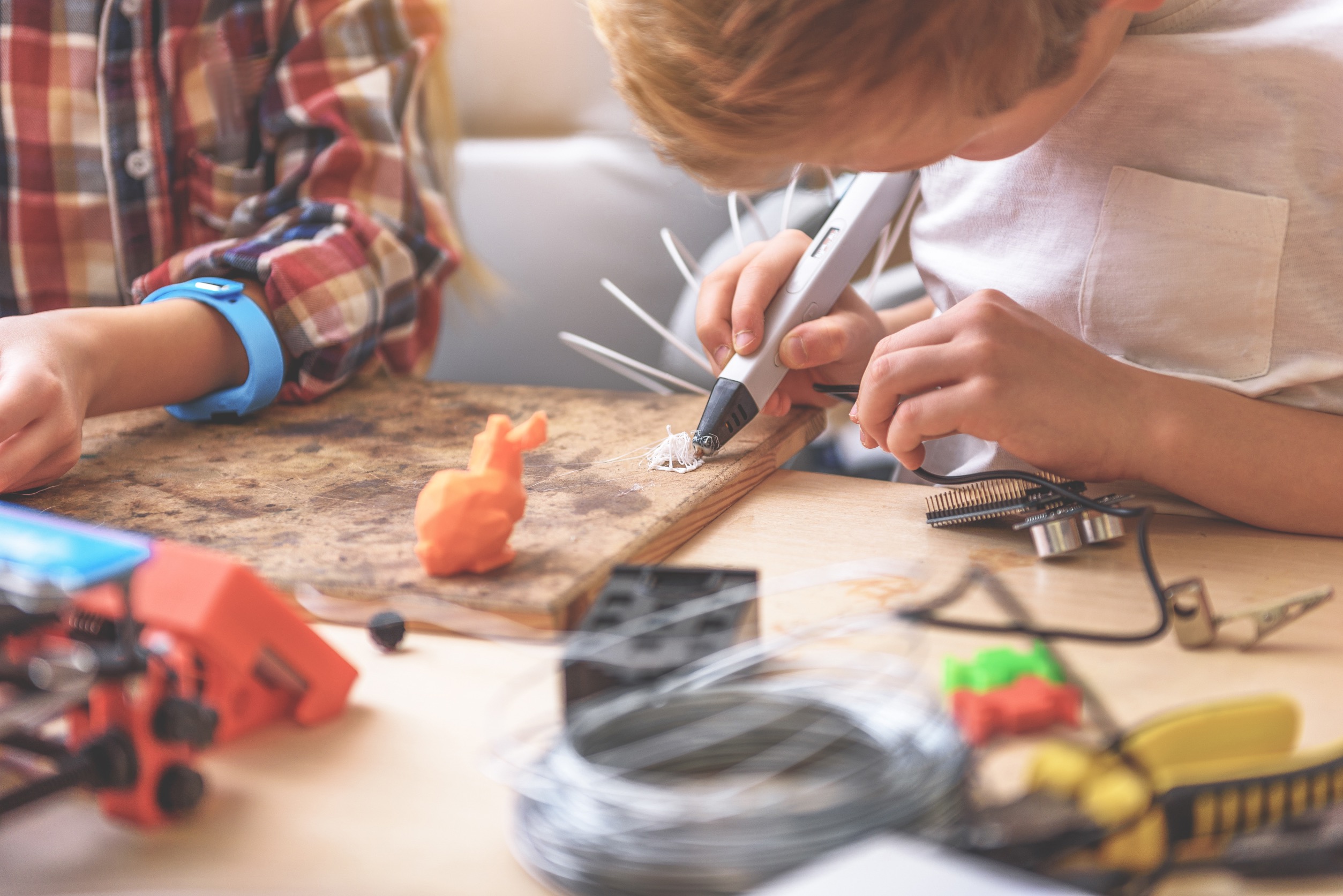
Using the Right Took

When I was a child, many of my dad’s irritations came about when we kids didn’t use the right tool… a knife for a screwdriver, the handle of anything as a hammer, pliers as a wrench, trimming scissors to cut cardboard… on and on.  It was hard for me, as expediency too often overrode the lesson.  But experience teaches us that using a right tool for a particular task is necessary in advancing a person’s know how and can-do practical knowledge through practice.

Using etiquette-ful practices and guidelines when interacting with other people is akin to selecting and using the right tool.  When you accept that there are right tools for particular tasks, you accept that situationally, contextually, and relationally when we use our etiquette skills, interacting with others hones purpose and helps you gracefully communicate.

How to Know You’re Using the Right Tool

  • The etiquette framework fosters effective and respectful communication between individuals. 
  • Employing the norms for appropriate language, tone and behavior creates environments of respect, where people can be comfortable being themselves.
  • Having learned the social rules of getting along is noticed and appreciated by others and contributes to relationship building.
  • Professionally, etiquette-fulness is vital in building a person’s relationships with clients and colleagues, and it is an outward sign of professionalism and reliability.
  • When tension or conflict arise, etiquette calms and guides persons back to the basics of listening with care, being constructive and positive, and seeking win-win outcomes. 

Becoming etiquette-ful is purposely chosen. It takes will power to harness the self and develop proficiency in navigating social situations.  Like tool use, we can learn through practice to employ guidelines and understandings that make us more sensitive to the needs of others and to what is needed in social and professional contexts that benefit not only others but ourselves as well. 

This is because when a person decides to learn and employ the specific skills of respectful behavior, the mindset brings benefits of surprise and pleasure as you become more adaptable, friendly, and positive. 

Honesty and right intentions build in the habit of reflection and the willingness to grow and change.  Friendships are cultivated and warmed through the ongoing practice of mutual effort as friends invest their time, energy, and care.  This happens in the context of learning the practices of etiquette.

Practice Using Your Etiquette Tools

  • Listen actively and seek to understand another person’s perspectives and concerns.
  • Employ your knowledge of good eye contact, engaging facial expressions and open body language.
  • Avoid interrupting and speak your mind clearly and concisely with language that is polite and respectful. 
  • Be a questioner, using open-ended questions that engage the other person to share their thoughts more fully.
  • Regardless of how the conversation goes, always look for mutual understanding.
  • Put your empathy to work and acknowledge the other person’s situation or point of view.
  • Keep your purpose in attending an event or meeting in mind, realizing that others are there for reasons, too. 
  • Stay focused.  If your mind begins to wander, you might summarize what the other person has said. This has the added benefit of others being drawn back into attention.

As my father taught me, proper tool use requires an attitude of respect for the tool and respect for the desired outcome.  And remember that kindness to yourself, the learner, is necessary in advancing your skills in the use of any 


Contributor, Candace Smith is a retired, national award-winning secondary school educator, Candace Smith teaches university students and professionals the soft skills of etiquette and protocol. She found these skills necessary in her own life after her husband received international recognition in 2002. Plunged into a new “normal” of travel and formal social gatherings with global leaders, she discovered how uncomfortable she was in many important social situations. After extensive training in etiquette and protocol, Candace realized a markedly increased confidence level in meeting and greeting and dining skills and was inspired to share these skills that will help others gain comfort and confidence in dining and networking situations. Learn more at http://www.candacesmithetiquette.

🍽️Etiquette Enthusiast, Maura J. Graber, is the Site Editor for the Etiquipedia© Etiquette Encyclopedia  

Thursday, November 7, 2024

Etiquette and Unusual Behavior

  Dealing with Out of Character

Behavior From Someone You Know

Angry Woman in a CafeImage Source: vadymvdrobot; "Angry young woman having an argument with her boyfriend at a cafe indoors.", 2024. Accessed via https://www.123RF.com/photo_103459415, Standard License.

Out-of-character behavior always carries a certain amount of shock value with it. As the saying goes, "just when you think you know someone . . ." 

We thrive on consistency and want the people in our lives to be reliable.  We feel secure in knowing we can predict their behavior.  Even when one's behavior is consistently unpredictable, we can prepare ourselves for possible outcomes. 

But when you've known someone's consistent behavior for some time and suddenly, an action, reaction, or comment comes out of left field, it can leave you dumbfounded.

Take a Pause

Remember, no one is perfect.  Even a good friend you've known for years.  When that person displays unexpected, irregular, and inconsistent behavior it could be an indication of any number of causes.  Illness, a personal life challenge, or an uncomfortable situation may cause a person to lose their cool. 

The first rule of etiquette is to be respectful and courteous, so when someone we know and like shocks us, being as calm and kind as possible is the first step to handling the situation.  If this is the first time you've been witness to an episode like this you will, of course, be shocked. But take a pause, catch your breath, and try to smooth over the situation at hand.

If an outburst is directed at you, you may not only be surprised but hurt as well.  As you take a pause, consider if the outburst requires your immediate reaction.  Is it worth defending yourself?  Do you owe an apology or acceptance of responsibility?  Or should you simply remove yourself from the situation?

Checking In

Once you feel comfortable doing so and can have a private conversation with your friend, check in and ask if everything is okay.  Tell them how out of the ordinary their behavior seemed to you and that you are concerned.

Listen to their explanation without judgement.  Consider the context of their behavior and think about any recent stressors or life changes they are experiencing.  Sometimes unusual behavior or emotional outbursts are really a reaction to an event or unfortunate situation.

Let them know you are there for them if they need help or just want to talk.  But don’t push if they are not ready to open up.  Just knowing they have a friend they can turn to is comforting and can be more helpful than you realize.

When Out-of-Character Behavior Becomes True Character

A Maya Angelo quote reads, “When someone shows you who they are, believe them the first time.”  Paraphrasing that: people may tell you who they are, but when they show you who they are—that’s what you should believe about them. 

If it happens that a friend, appreciated acquaintance, or co-worker blurts something out of character for them, it’s up to you to remind yourself that you know the better person this person is—not the one who is showing up disrespectfully. 

Unfortunately, some people wait until they are more comfortable around you to begin showing their true colors.  Words and actions you thought were out-of-character become more commonplace. This is the time when you must decide if you agree or disagree with someone's behavior.  If you can't be in agreement with this person’s opinions or character, know that your ideals and integrity are not worth sacrificing.

The Bottom Line

Etiquette demands that we do not meet disrespect with disrespect.  The mindful pause etiquette gives often provides the time to get your grip and find the right words. 

Being your etiquette-ful self means than you are intentional in not adding fuel to the flames of someone else’s poor behavior.  Plus, your calmness in reserving reaction can serve to mirror to the other person that their words and actions need consideration.  When the time is right, and you can do so privately and calmly, discuss your friend's out-of-character behavior with them, asking if you might help with the situation in any way. 

Then, as a good friend does, keep the discussion between the two of you.  If they need a true friend, they'll know they have one in you.


 Contributor, Candace Smith is a retired, national award-winning secondary school educator, Candace Smith teaches university students and professionals the soft skills of etiquette and protocol. She found these skills necessary in her own life after her husband received international recognition in 2002. Plunged into a new “normal” of travel and formal social gatherings with global leaders, she discovered how uncomfortable she was in many important social situations. After extensive training in etiquette and protocol, Candace realized a markedly increased confidence level in meeting and greeting and dining skills and was inspired to share these skills that will help others gain comfort and confidence in dining and networking situations. Learn more at http://www.candacesmithetiquette.com/


🍽Etiquette Enthusiast, Maura J. Graber, is the Site Editor for the Etiquipedia© Etiquette Encyclopedia


Saturday, July 8, 2023

How Etiquette Evolves

Etiquette is for People by People

Handshake Greeting

Etiquette guidelines are created from the ground up, for people by people, as standardization for navigating certain situations arises. It isn’t declared by any standard maker. It’s not ‘something you can grab hold of’ like a fork or knife, but through time in all cultures, etiquette evolves from social and professional best practices – those actions that are recognized as respectful, considerate, and honest.

Creating Etiquette for People by People

The main business of each of us is to find our better selves and to shoulder responsibility for our actions. Developing habits of character and working to organize the qualities into effective personal lives is everyone’s duty to themselves. 

To aim for etiquette-fulness as a personal goal, in and of itself, is confidence boosting. As habits of kindness are learned and practiced, they become second nature, leaving time to focus on the substance of engaging with others. We end up modeling for and with each other.

Big Back-up Ideas

There are some really big ideas behind etiquette, and these big ideas are the basis of etiquette, regardless of culture. 

  • Have and show respect.
  • Be thoughtful and considerate.
  • Be forthright in all affairs.

These ideas ground what become known as polite, as etiquette-ful. The big ideas are the why’s and the how-to’s that fall under the etiquette-ful umbrella. 

In every culture, greetings are given and accepted. From an early age, children are taught how to physically greet other people, whether that be a handshake or a bow or other known gesture. We learn to make eye contact when communicating and practice it to know how much is too much or too little. 

This learning process is the perfect example of etiquette being for people by people. It is taught person to person. As social creatures living in families, working, and playing together, we teach each other how to temper the passions and, as Adam Smith famously says, “bring our self-love down to what others will go along with.” 

Our own views about etiquette and its importance no doubt change with the times as we embrace traditions and create new ones with our families and friends. We outgrow the silly idea that etiquette is stodgy, stuck-up, and sullen. We realize how important etiquette considerations are in gaining practical skills for personal and professional success. 

When you venture down the road of being “etiquette-ful,” you become a new kind of problem-solver, increasingly able to manage your personal space and remain sensitive to the needs of others.


Contributor, Candace Smith is a retired, national award-winning secondary school educator, Candace Smith teaches university students and professionals the soft skills of etiquette and protocol. She found these skills necessary in her own life after her husband received international recognition in 2002. Plunged into a new “normal” of travel and formal social gatherings with global leaders, she discovered how uncomfortable she was in many important social situations. After extensive training in etiquette and protocol, Candace realized a markedly increased confidence level in meeting and greeting and dining skills and was inspired to share these skills that will help others gain comfort and confidence in dining and networking situations. Learn more at http://www.candacesmithetiquette.com/


🍽Etiquette Enthusiast, Maura J Graber, is the Site Editor for the Etiquipedia© Etiquette Encyclopedia

Sunday, March 5, 2023

Respect for Religion and Old Age

A man who does not respect the religion of his fathers, is incapable of knowing, and therefore of applying, the laws of good-breeding. A young man who boasts his freedom of religious opinions, is but confessing his own ignorance, for his belief is, in most cases, the result of a perfect non-acquaintance with religious systems. How many of our boasted “free thinkers” are men of pure lives and noble instincts?

Some young people seem to imagine that they are living in the age of Voltaire, and make a merit of skeptical and even atheistical opinions. They laugh at the sacred character of the ministry, and deride what is venerable and sacred. This class is as deserving of contempt, as it is avoided in truly good society. Impiety is no longer fashionable as it was in the days when an atheistical philosopher thought to make laws for the world, and construe liberty into license to outrage every pious instinct.

A man who does not respect the religion of his fathers, is incapable of knowing, and therefore of applying, the laws of good-breeding. A young man who boasts his freedom of religious opinions, is but confessing his own ignorance, for his belief is, in most cases, the result of a perfect non-acquaintance with religious systems. How many of our boasted “free thinkers” are men of pure lives and noble instincts?

Another sin is its want of respect for women and for persons of advanced years. A man of religious feeling holds himself bound to those duties, in respect to old age, that were observed in ancient times. But the young men of whom we have been speaking make a parade of rudeness in the presence of an old man; they pay him no more respect than if he were an unfledged youth of eighteen like themselves; they smoke cigars under his nose; scarcely deign to acknowledge him in the street; and never are willing to remember that their father is or was an old man, and that they will themselves grow old. Such respect neither their parents nor themselves. Diogenes declared himself to be a dog that he might have a right to indulge his cynical disposition. So are these flippant theologians who have sunk to the same level.

One word as to the influence of religion upon the character of the young girl. A religious course of training can alone impart to the feminine character that spirit of yielding gentleness which, in domestic, as in public life, is the basis of politeness. Deprived of these qualities, a woman would be unamiable in the family circle, as well as in the world, where, in spite of her efforts to appear pleasing, her bad education would inevitably display itself. Young ladies of this class, if they do not go the length of impertinence, have a dissatisfied air, and indulge in the habit of criticising every thing with severity. 

If married, they quickly banish peace from the conjugal roof, by their exactions and ill-humor. They are not willing to make a single sacrifice for their husband's happiness; quarrels and oppositions please them, and the gentlest yoke becomes a heavy chain. The husband thus situated may consider himself happy, if his wife will condescend to occupy herself at all with domestic affairs, and things so common as the concerns of the family. 

An irreligious woman is as much to be abhorred as a drunken woman: she is no longer fit to lead in society and to give tone to its morals; she is not fit to be a mother; for her children will surely be reckless and godless; she is not a grace, but a blot on her sex, disliked even by men who profess to no religious conviction.—  From Beadle’s “Dime Book of Practical Etiquette for Ladies and Gentlemen,” 1859


🍽Etiquette Enthusiast, Maura J. Graber, is the Site Editor for the Etiquipedia© Etiquette Encyclopedia

Tuesday, July 13, 2021

Good Etiquette and Surface Veneer

I beg of you—don't mistake condescension for tolerance! Learn to like the butcher because he is a person—and, by the way, a person that knows something that you don’t. Respect him because he has learned a trade that may not be very savoury—but it is important. 


I was having an argument the other day as to the correct definition of the word “etiquette.” My opponent insisted that it meant merely the surface veneer of manners that people in the higher walks of life have acquired —that it is something that is not vitally necessary to the average person. I claim that “etiquette,” to me at least, is much larger than is any set of manners alone. It gees deeper than the surface of conformity to conventions, and relies on the basis of tradition that our many forefathers have given us. 

I think it was Emerson who said: “There is always a best way of doing everything . . . Manners form a rich varnish with which the routine of life is washed and its details adorned. If they are superficial, so are the dewdrops that give such a depth to the morning meadows.” I have never known anyone, no matter how great a person he was, who could “get away” with just a superficial veneer. Manners, although important, are truly of secondary importance—it is one's manner that is most important. Once the few basic rules are learned, you can forget the details and build up the biggest thing – your personality. 

You can’t possibly leave a feeling of graciousness and calmness with your fellow beings when you are worried by doubts and a feeling of uncertainty. I think the basis of all manners lies in that old proverb— “Politeness is to do and say the kindest thing in the kindest way.” I don't know who first said that, but I can remember it being dinned into me from the age of dependence until I was old enough not to need it. Make a habit of courteousness always and everywhere. Manners that are brought out only on state occasions usually fit as poorly as clothes that are worn only occasionally. If you feel kindly and act kindly toward everyone—even toward the person you most dislike—before long you will have developed an unconscious courtesy. 

After you have developed this kindliness of manner, there is another thing to learn—a true sense of people’s worth. Never estimate men for what they possess, but for what they are. The truly well-bred man or woman has simple tastes and makes no glorification of money. A display of wealth is as vulgar as a contempt for those who do not have it. Never treat anyone with contempt – remember that there is at least one fine quality in every person. A sense of values will give you a good-humored tolerance of others. When I was a young girl I was an awful snob—and I can see now that I must have been a rather odious person. I had utterly no reason to consider myself better than anyone else—yet I did because my sister and I had a nursery-governess and went away to a private school when all the other youngsters in our funny little town went to the local grammar school, and no doubt had a much better time than I did! 

Since I have been out of school and have lived more or less intimately with the Nobility of Europe, with rough American engineers in South America, and with Mexican peons in ranches along the border—I have learned that tolerance is one of the greatest assets that can be obtained. But—I beg of you—don't mistake condescension for tolerance! Learn to like the butcher because he is a person—and, by the way, a person that knows something that you don’t. Respect him because he has learned a trade that may not be very savoury—but it is important. – By Deborah Ames, 1936


Etiquette Enthusiast, Maura J. Graber, is the Site Editor for the Etiquipedia© Etiquette Encyclopedia

Monday, March 1, 2021

Good Form in Public 1923

Well-bred folk the world over are unostentatious in public. It is a notable fact that in almost all countries of the world, navy blue, gray not too pale in tone, and black, are preferred colors for streetwear. The sole exception to this rule is the hot countries, where on account of the climate, white is worn.
  • In street, ferry, restaurant or theater, a well-bred person will conduct himself so as to draw no attention to himself. Loud voices, noticeable gesticulation, conversation in which absent friends are called by name in tones easily overheard by bystanders, all these are marks of those who “don't belong.”
  • In a crowd, never hail a friend by calling his name, if he is some distance away, for it is not necessary that you should thus inform those who block the way, of your friend's identity. Either you must contrive to pass and join him, or else catch his eye and bow.
  • Jostling and elbowing away through a throng of people is not to be thought of, except by those who do not care how undignified they appear in the eyes of others.
  • In public — as elsewhere —ladies and gentlemen are guided by the principle of consideration for others, and respect for the rights of others.
  • In any line of people waiting for tickets and the like, each person should wait his turn. A woman has no right to place herself ahead of earlier comers —just because she is a woman.
  • Kissing, embracing, and excitable greetings, on the part of two women who spy each other in a public place, is out of place. Neither, in conversation, is it well-bred to clasp the hand of the person to whom you talk. Women should not powder publicly — although this rule of etiquette is so often broken, one wonders who keeps it.
  • Nudging, to attract the attention of the person addressed, is unspeakable.
  • Well-bred folk the world over are unostentatious in public. It is a notable fact that in almost all countries of the world, navy blue, gray not too pale in tone, and black, are preferred colors for streetwear. The sole exception to this rule is the hot countries, where on account of the climate, white is worn. —Virginia Sidney Hale, 1923


Etiquette Enthusiast, Maura J. Graber, is the Site Editor for the Etiquipedia© Etiquette Encyclopedia



Thursday, November 19, 2020

Respect and Etiquette


What "Respect" Looks Like

Respect

Respect is one of the most important words we can know.  We feel it when we read or hear it. We know its significance when we use it.  And, as the 18th century icon, Adam Smith said, “We desire both to be respectable and to be respected.”  The positive view formed on how persons are living their lives is the stuff of respect. 

But as important as respect is, it’s interesting that the word itself no longer shows up with the same frequency it once did.  Google Books Ngram searches of its data bases of printed books, indicates usage of the word “respect” is the lowest it has been in over three centuries.    

Now is the perfect time to ask ourselves how we conceptualize and demonstrate respect.

Respect is Not Fear

Respect and fear are sometimes intertwined when it comes to how they are perceived, however the two are very different.  You may think you respect someone or something you fear, but this is not true if insecurity, distrust, or chaos also exist.

The following statements help confirm the difference between respect and fear:

  • A respected person commands respect, but their respect is never commanded. 
  • When you admire a person and what she stands for, she commands your respect. 
  • Recognizably honoring a person or cause demonstrates your statement of respect, or your desire to show respect for what others value. 
  • If you deem another person worthy of respect, you can find personal inspiration in that person.  
  • Qualities, deeds, values that attract and draw us to a person also call us to make these our virtues.
  • Respect is not earned by making people fear us, but by their naturally admiring us. Admiration by fear is coercion. 
  • We can always be afraid; we only earn respect.  Fear repels; respect attracts.

Putting it Into Practice

Respect in action is as simple as living by The Golden Rule.  You can test this by asking yourself:
“Am I treating others the way I would want to be treated?”  
“Are my actions admirable, honorable?”
“Do my actions make others feel cared for, valued, and important?”

Practicing respect looks, sounds, and feels like:  

  • Listen, really listen, to what others say. 
  • Give your attention to those you interact with. 
  • Offer encouragement and support for the best in others. 
  • Acknowledge that another person wants to speak and be heard.
  • Put yourselves in someone else’s shoes to enable compassion, which sometimes is friendly silence. 
  • Recognize and honor the difference among what’s mine, thine, and held in common. 

Each of the actions above demonstrate that respecting others is simply treating them as you would want to be treated.

Does Self-respect Come First?

It’s a “chicken and egg” question.  Learning to respect yourself does not happen apart from learning to respect others.  Other people are necessary in complex social mirroring and feedback processes.  

Every human being has intrinsic value and discovering this is a lifelong uncharted journey.  We respect ourselves when we find, define and accept our own worth and value.  

Self-check on self-respectful actions:

  • Am I consistently being honest with myself?
  • How am I doing with my learning and self-education?
  • Am I taking care of myself, treating myself well?
  • Am I taking responsibility for my own conduct?  
  • Do I self-assess and work to eliminate bad influences or habits in my life?
  • Do I give myself time to clearly articulate how I feel?
  • Am I able to give myself an “A” for good manners and proper conduct, realizing that how other people react to me can be signals that I need to reevaluate and make changes?

Showing respect for yourself and others is the core of etiquette.  It is a simple word, but holds more meaning than the majority of other words in our language.  As George Matthew Adams wrote in the Sacramento Union on March 21, 1913: 
“Respect is the name of the Fellow who tends door for your Conscience.  He is the most sacred Office in life of your Character…Respect is your most faithful of Friends, your greatest Guide, your most powerful Protector, your safest Pilot into Port.”


“A person is a person no matter how small.”  ~ Dr. Seuss


Contributor, Candace Smith is a retired, national award-winning secondary school educator, Candace Smith teaches university students and professionals the soft skills of etiquette and protocol. She found these skills necessary in her own life after her husband received international recognition in 2002. Plunged into a new “normal” of travel and formal social gatherings with global leaders, she discovered how uncomfortable she was in many important social situations. After extensive training in etiquette and protocol, Candace realized a markedly increased confidence level in meeting and greeting and dining skills and was inspired to share these skills that will help others gain comfort and confidence in dining and networking situations. Learn more at http://www.candacesmithetiquette.com/


🍽️Etiquette Enthusiast, Maura J. Graber of The RSVP Institute of Etiquette, is the Site Editor for Etiquipedia© Etiquette Encyclopedia

Monday, October 5, 2020

Surfing Etiquette


AH, SURFING. The sport of sinewy iconoclasts. No pesky umpires, no foul lines, no rules. Easy there, Kerouac. There is, in fact, an unspoken etiquette of the ocean. Here are the Top 10 rules of the reef:

  1. We’re all guests of the sea. Just like you wouldn’t show up at a stranger’s house for dinner, you don’t just “drop in” on someone’s wave. In surfer parlance, “dropping in” means that you grabbed a wave that belonged to someone else, and it’s the worst breach of etiquette.
  2. "Kook” means loser, not creative type. Surfers still use this old-school pejorative to brand morons, newbies and that guy who yelled, “Shark! Just kidding. What?” Learn the lingo before you go.
  3. Let Brian Grazer paddle in peace. Yes, there are famous directors and potent producers surfing out in Malibu. But that doesn’t mean you can slip someone your script in a Ziploc bag or audition during a lull. “You don’t network. And if a wave comes, all conversations end abruptly,” says KCRW DJ and music supervisor Liza Richardson, who surfs regularly.
  4. Study the lineup. Ever notice that surfers bob in semi-organized formations? That’s because there’s a pecking order — based on skill and seniority — known as the “lineup” and it determines who gets the best waves. “If someone is really good, I’ll get out of the way and just watch,” says Dana Nielsen, a veteran surfer and music engineer who works with producer Rick Rubin. And because waves can break left or right, it’s impossible to say who’s the best surfer until he or she starts shredding.
  5. The old men and the sea. Sexagenarians don’t typically learn to hang ten. Those guys with barnacles in their grizzled beards have been surfing for 30-plus years and have earned the right of way. Respect them.
  6. Skip the smoky eye, sister. Chris Mauro, editor of Surfer magazine, can spot a beginner by her blue eye shadow. “You’ll see girls wearing makeup or guys who look like they just walked out of a nightclub and you know that they’re new,” he says. “Anyone overdone stands out.”
  7. Loose boards bash brains. Some pros may scoff at leashes, but most surfers agree that a little leg rope can go a long way. “A projectile surfboard can go anywhere from 20 to 30 miles per hour,” says Weston Kinney, who sells boards (and leashes) at Channel Islands Surfboards on Melrose Boulevard and estimates that 99% of surfers in L.A. use a leash. The rule of thumb: Your leash should be about the same length as your board.
  8. Don’t brag about secret spots. “A great spot where four people go becomes a place with 12 surfers the next day if word gets out,” says Frank Caronna, founder of Natural Surf Technique school and instructor to Maria Bello and Jessica Biel. “You keep it to yourself.”
  9. In other words, leave Matthew McConaughey in the car. Just last month, a kerfuffle broke out in Paradise Cove after a phalanx of paparazzi followed the actor to the Malibu beach. When the paps refused to leave, surfers attacked. The end result? Thanks to the press and photos, every first-time surfer who subscribes to Us Weekly will be heading to Paradise Cove from now on.
  10. Waves of nausea. What do neglected wetsuits and puppies have in common? “Everyone urinates in their wetsuits,” says Caronna, who uses a shot of Woolite when he washes his surf togs. “But if you don’t rinse it in fresh water, and just throw it in the back of your car, that’s trouble.” - By Monica Corcoran, L.A. Times, 2008

Etiquette Enthusiast, Maura J. Graber, is the Site Editor for the Etiquipedia© Etiquette Encyclopedia


Friday, July 24, 2020

College Classroom Etiquette

“College classes build off of each other, each assuming a base set of knowledge has been acquired before it is taken. Handing out a passing grade to a student who has not learned anything from the class sets them up for an even greater failure in their next one. The only people responsible for our successes or failures is ourselves.” 
——————— 
College classroom behavior has changed tremendously over the past 65 - 75 years. Not only have all of the technological advances achieved created a different learning atmosphere, societal changes have created waves of change on their own. Still, the need for classroom etiquette, respect for teachers, and respect for other students has always been, and remains now, extremely important.


Classes need more etiquette To my right, two people are talking excitedly about their weekend. To my left, someone absent-mindedly flips through their Facebook comments on their iPhone. Just in front of me, another person is listening to music with one ear bud in, all but hidden from view in her hair. A cell phone goes off, with a top-40 song clamoring out not too long before being silenced by its owner. Can you guess what’s wrong with this picture? 

We aren’t in a cafe, or sitting on a bus, we are sitting in the middle of a college class. Somewhere at the front, the teacher talks about the subject at hand, though I couldn’t tell you what it is. Sifting through all the other noise its difficult, and I can only catch so much with the murmuring all around. The instructor pauses from time to time, leveling dagger eyes in the direction of the loudest offender; waiting for the noise to subside before continuing. But this affords only a brief respite before the conversation creeps back in from the corners of the classroom, and the lesson is lost in the clamor once more. 

One would hope this kind of behavior would die out after graduating high school. College isn’t mandatory. Remember, we sign up for these classes, hand selected to fill our learning objectives and set us on the path toward a lucrative future. And students have to pay far too much in the eyes of many to attend. One would imagine the hefty price tag might lend a certain gravity and prompt students to take their classes seriously, as failing a class represents a monumental waste of money and time.

So why do so many students roll into class in the last fifteen minutes, or show up to pay absolutely no attention to the teacher? This is no time to be trying to be cool. Few employers will care about how popular you are perceived to be. Few employers will look beyond whether you have the qualifications they are seeking, and those who don’t give their classes the attention they deserve put getting those at risk. And yet, classrooms are plagued by disrespectful students who insist on disrupting the class, robbing not only themselves of quality education, but stealing it from others who show up with a serious desire to learn. At least, some realize the the jig is up, but there’s another group who think that although they have attended only a fraction of the classes, they will get a good grade.

They pile around the instructor after class, armed to the teeth with excuses and plea bargains that they will get a good grade, asking for extra credit, extra time, for a grade they don’t deserve, because they “really need an A in this class!” Often it is too late, and they loudly decree how the teacher doesn’t like them, it’s personal, it’s racist, it’s because they’re just mean or don’t care. Teachers do care. They care enough to work in a thankless job where disinterested students pay them little to no heed. And they care enough to fail those students, making sure they only move forward when they are finally armed with the knowledge they need to succeed. 
Teachers want to help others reach their goals, but those goals must be earned. Giving out grades to students who don’t deserve them is not only unfair to the ones who give their all in the classroom, it hurts the ones pleading for them too. College classes build off of each other, each assuming a base set of knowledge has been acquired before it is taken. Handing out a passing grade to a student who has not learned anything from the class sets them up for an even greater failure in their next one. The only people responsible for our successes or failures is ourselves. Give each class your all, and you may be surprised how much it gives back to you. — Phillip Khun, Experience Perspectives, 2013


Etiquette Enthusiast, Maura J Graber, is the Site Editor for the Etiquipedia© Etiquette Encyclopedia

Monday, July 6, 2020

Etiquette and ‘Perfect Civility’

“Never resent publicly a lack of courtesy; it is the worst in possible taste. What you do privately about dropping such an acquaintance, must be left to yourself.” — Meme source, Twitter


Maintaining a Civil Demeanor is Advised When in Public

Never show that you feel a slight. For no one but a mean person will put a slight on another, and such a person profoundly respects the other one who is unconscious of his feeble spite. Never resent publicly a lack of courtesy; it is the worst in possible taste. What you do privately about dropping such an acquaintance, must be left to yourself. We are not always wrong when we quarrel; but if we meet our deadliest foe at a friend's house, etiquette keeps us bound to treat him with perfect civility. — San Francisco Call, 1886


Etiquette Enthusiast, Maura J Graber, is the Site Editor for the Etiquipedia© Etiquette Encyclopedia

Tuesday, August 20, 2019

An Etiquette Warning

“For all its non-negotiable requirements, etiquette has never required anyone to be a patsy. Etiquette has always known how to fight back. The polite duel has been outlawed, but all kinds of weapons denunciations, snubs, rejections can be clothed in propriety and used, in a restrained and proper fashion, under legitimate provocation.” – Judith Martin

Etiquette practitioners: Beware the power of the dark side...

Perhaps there should be a warning: In rare cases, etiquette can be used against you. Miss Manners is about as pleased to issue warnings with her product as a tobacco company. In her case, the obligation is self-inflicted, and she is prompted to do so not only by her relentlessly impeccable standards (which can be a terrible nuisance) but by her satisfaction in being able to deliver the cure right after disclosing the complaint. Etiquette danger occurs when one person knowingly depends on the good manners of another to allow the natural consequences of a rudeness to pass unpunished. Or rather, it occurs when the second person allows himself to be imposed upon rather than challenging the deliberate bad manners of the first, because that in itself would be rude. 
Mind you, Miss Manners said that such cases are rare. She has never subscribed to the notion that etiquette requires one always to make others feel good even when they are up to no good. This popular belief accounts for much of the unpopularity of the practice of etiquette. 

But for all its non-negotiable requirements, etiquette has never required anyone to be a patsy. Etiquette has always known how to fight back. The polite duel has been outlawed, but all kinds of weapons denunciations, snubs, rejections can be clothed in propriety and used, in a restrained and proper fashion, under legitimate provocation. No polite person would fail to disturb the complacency of someone making a bigoted remark, for example, or omit to lodge a complaint when seeing the helpless bullied. Etiquette also recognizes the legitimacy of self-defense against ill-treatment, provided the defense is not itself rude. “How dare you?” is a proper retort to an insult. When the polite person wavers and allows himself to be taken advantage of, it is because the offender, far from being rude, seems to be engaged in an act of friendship. Geared toward being no less kind in return, the mannerly victim reacts to acceptable surface behavior, rather than the outrageous assumption underlying it. 

Examples: A house guest not only seems settled in indefinitely, but begins to feel at home enough to attempt to participate in family decisions and to offer suggestions as to how the household ought to be run. The borrower of a book, garden tool or chunk of money fails to return it; when the lender discreetly hints at the matter, the borrower acts hurt and insulted. An acquaintance makes unwanted social demands that are declined so often that the recipient begins to feel that he or she “owes” that person an acceptance. Professional advice is sought or professional opportunities are offered under social circumstances, where they appear as favors, which it would be ungracious to refuse. A perfect stranger uses compliments and other chatter to create an atmosphere in which allowing him or her the privileges of friendship demands on time and privacy seems appropriate. 

In each of these cases, the burden of politeness seems to be on the innocent person. The solution requires recognizing the facts under that aura of politeness. One is under no obligation to share one's home, possessions, friendship, professional expertise or time for the asking. Little explanation is even required when stating one's rights: “I'm afraid I must have that money back,” “Call me at my office if you really want my advice” – even a nose-in-the-air snub when one is familiarly addressed by a stranger. Miss Manners promises not only that this will not be a violation of etiquette, but that it is a service to etiquette to defend it from evil usage. By Miss Manners, aka Judith Martin, 1988


Etiquette Enthusiast, Maura J Graber, is the Site Editor for the Etiquipedia© Etiquette Encyclopedia 

Friday, December 1, 2017

Fascinating with Exquisite Manners

There is no place for practicing manners like the home circle, no place, permit one to say, where it will be so appreciated, it will be a cultivation of heart, mind and body, this endeavor to feel nothing out affection for the people at home and treat them as though they were worthy of as much consideration at your hands as if they were the President and his family.

The Secret of Fascinating

Doubtless thousands of young people, and not a small number of old ones, wish every day of their lives that they could learn the secret of fascinating others by means of their graceful, exquisite manners. The secret is an open one. It is so easy to learn that it lies all neglected by the wayside, while those who would give their dearest treasure to find it, pass unknowing. 


It is only this: Fill your heart with goodwill to everybody, and then practice at all times the best manners you know, particularly at home. If you begin at home, this charming manner will, so to speak, get settled on you and never leave you. Be just as polite to your sister as you would to your best girl. Strive to gain the good will of mother, father and brothers and sisters and children, exactly as you would strive to gain good will abroad. 

There is no place for practicing manners like the home circle, no place, permit one to say, where it will be so appreciated, it will be a cultivation of heart, mind and body, this endeavor to feel nothing out affection for the people at home and treat them as though they were worthy of as much consideration at your hands as if they were the President and his family. So they are worthy. Then from the home will float around you, those sweet, magnetic influences which will draw the hearts of mankind toward you. - Sacramento Daily Union, 1892


Etiquette Enthusiast, Maura J. Graber, is the Site Editor for the Etiquipedia© Etiquette Encyclopedia

Saturday, November 25, 2017

Betty Bradeen on American Manners

“We are apt to overlook small points. We are not courteous to the aged, we are not respectful to our elders. We are not very strong on table manners, since toothpicks are still displayed in conspicuous places. We do not respect the rights of others or the opinions of those better informed than ourselves.” –Betty Bradeen 

Betty Bradeem’s Daily Chat

I am afraid that we are allowing the fine points of etiquette to slip away from our daily life. We are not careful about keeping appointments and redeeming promises, about acknowledging favors and gifts and answering letters. It is downright impertinent to accept an invitation to dinner or luncheon and fail to put in an appearance or send an excuse. The hostess has spent time, money and thought in preparation and her disappointment is keen. When annoyance at thoughtlessness is added, she is quite justified in quietly cutting out that particular guest from her visiting list. A promise should be a sacred thing and only made after due reflection. Then nothing short of a calamity should stand in the way of its fulfillment. 


If social ostracism was the fate of promise-breakers there would be fewer offenders and less discomfort in the world. Harsh remedies are sometimes needed to waken us to a sense of our responsibilities, and I know of nothing more humiliating to a woman than being left out in the reckoning of desirable persons. Few of us show a sufficient appreciation of favors. When we have been entertained through the generosity of woman or man, the least we can do in return is to express our pleasure—the warmer the terms the better. I know from experience, that a few written words or a telephone message the day after an entertainment compensates one for a deal of weariness. I know that a prompt letter of acceptance repays one twice over for the trouble spent in choosing a gift. 

It is always hard to console grief, but it is a duty we owe everybody with whom we associate. Duty is not a pleasant word, but it plays a large part in life, and we should not try to evade it. In a broad sense we are a fairly decent nation in the matter of politeness, but we are apt to overlook small points. We are not courteous to the aged, we are not respectful to our elders. We are not very strong on table manners, since toothpicks are still displayed in conspicuous places. We do not respect the rights of others or the opinions of those better informed than ourselves. Listening is almost a lost art because we all want to talk and are so busy thinking of the things we want to talk about as to make us oblivious of the speech of others. It would almost seem, from this list of shortcomings, that we can have little or no politeness to fall back upon, yet we manage to pass muster in these days. 

Of course, the truly delightful people are those who are polite in small matters, for the little things of life are those which bring us pleasure or pain. Among the guests at a recent house party was a man of middle-age who was established as a favorite in half an hour after his arrival. He was an army officer who had not forgotten his training, and his manners were a delight to men and women. He excelled in small points which other men overlook and there was his charm. Even a multi-millionaire could not have a chance against such a rival for popularity. –Betty Bradeen, 1909

Etiquette Enthusiast, Maura J. Graber, is the Site Editor for the Etiquipedia© Etiquette Encyclopedia

Saturday, November 19, 2016

Presidential Theater Etiquette

President-elect attacks "Hamilton" saying Vice- President elect, Mike Pence, was 'harassed' by 'very rude' cast who stopped the show to confront VP sitting in the audience - 'We are the diverse America who are alarmed and anxious that your new administration will not protect us, our planet, our children'. Pence has been slammed for seeing the play, while the crowd booed him and his family. The booing was indeed harassment, but was the cast's plea, as well? Perhaps a more polite way to address Mr. Pence with their concerns, would have been to invite him and his family backstage to meet the cast after the show.
It is a point of etiquette, universally observed at the national capital, never to obtrude attentions upon the President when he appears in public. On the street or in any place of amusement in Washington, the President has the undisputed privilege of appearing as any private citizen, he is never stared at unless it is by strangers, and his appearance at a theater is not greeted with any sort of demonstration. 

The President may walk where he pleases in the streets of Washington, meeting with no further notice than the tipping of the hat, unless of his own motion he stops to speak with someone. Office seekers and petitioners never venture to approach him in the street. His surest riddance of the importunities of the throng is to go out among them. 

Sir Julian Pauncefote, speaking of the American customs that had impressed him, remarked that, while a foreigner's first impression might be that the seeming indifference of the public toward the President when be appeared on the street or at the theater was the result of an exaggerated idea of democracy, it must become apparent on closer observation that it was the highest possible tribute of respect and consideration. — San Francisco Argonaut, 1899


Etiquette Enthusiast Maura J Graber is the Site Editor for the Etiquipedia© Etiquette Encyclopedia