Showing posts with label Bridal Shower Etiquette. Show all posts

Tuesday, December 31, 2024

Breach of Bridal Shower Etiquette


“… before becoming angry about it, please consider that this was ignorance on the part of the couple or the families.” — as the advertisement reads, “Sooner or Later, everybody needs Amy Vanderbilt,” Or a comparable book of etiquette!
DEAR ABBY: I have a wedding etiquette question. Twice within the last month, I've been invited to a bridal shower without receiving an invitation to the wedding.

I have witnessed a social blunder or two in my day, but this takes the cake. Are you with me on this, Abby? —DISGUSTED IN SOUTH CAROLINA

DEAR DISGUSTED: Το invite someone to a bridal shower who will not be invited to the wedding is a breach of etiquette. However, before becoming angry about it, please consider that this was ignorance on the part of the couple or the families. — Hanford Sentinel, 2003

Dear Abby is written by Abigail Van Buren, also known as Jeanne Phillips, and was founded by her mother, Pauline Phillips.


Etiquette Enthusiast, Maura J. Graber, is the Site Editor for the Etiquipedia© Etiquette Encyclopedia

Saturday, September 2, 2023

10 More Etiquette Tips of 1940

    The salt and pepper shakers should be removed from the dinner table on a tray with the rest of the food from the preceding course, before the dessert is brought in.

    1. The salt and pepper shakers should be removed from the dinner table on a tray with the rest of the food from the preceding course, before the dessert is brought in.
    2. You may serve the guests first or not at your dinner, as you wish. However, if the dish being served is unusual, or if the guests may not know how much of it to take, a good idea is for the hostess to be served first and the guests can follow her example. 
    3. The general rule (with American dining) when serving a meal is that everything is served and removed from the left except beverages and extra silver, which are placed at the right.
    4. When two men are dining in a restaurant, each gives his order to the waiter, even it one is the guest of the other.
    5. If a girl and man are waiting for a cab, the girl should let the man hail it when it comes.
    6. Children should be cautioned about blocking the sidewalks with their roller skating, marble playing, rope skipping and other activities. or of bumping into passing adults. It is never too early to teach youngsters consideration for others the foundation of good citizenship. 
    7. Listen to your own voice and intonations. It is not only pleasing, but it is good manners to speak pleasantly in a low, quiet voice, which can be acquired if you will but watch your tones and lower those high notes to make them clearly audible but pleasantly low pitched. A pleasant cordial voice will help you win friends.
    8. When leaving a large tea or reception it is not necessary to go to the receiving line and say goodbye before leaving. 
    9. A mother does not give a bridal shower for a daughter, or a sister for her sister. If mother or sister wish to entertain for the bride-to-be. They may provide material for something for the new home, like tea towels or napkins, and let the guests work on them, but not expect said guests to bring gifts.
    10. On the wedding day, the bride either leaves her engagement ring at home or wears it on her right hand, as the wedding ring should not be put on over the engagement ring. 


    From the “Grab Bag” feature in the Imperial Valley Press, 1940


    🍽Etiquette Enthusiast, Maura J. Graber, is the Site Editor for the Etiquipedia© Etiquette Encyclopedia
    Saturday, July 11, 2020

    Bridal Shower Gift Etiquette

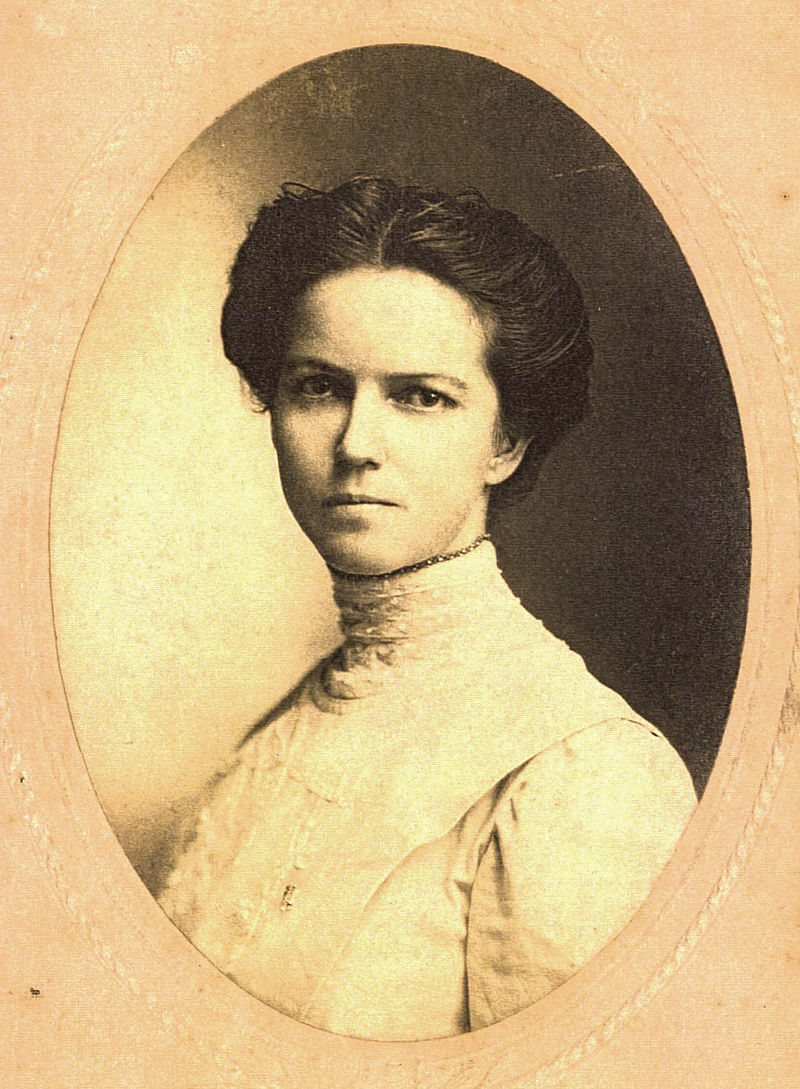
    Elizabeth Meriwether Gilmer was an American “Agony Aunt” who wrote under the pen name, “Dorothy Dix.” A forerunner of today’s advice columnists, Dix was America’s highest paid and most widely read female journalist when she died in 1951. Her advice was syndicated in newspapers around the world, with an estimated audience of 60 million readers. Along with her column, she campaigned for woman suffrage.
    Public domain image

    Dear Dorothy Dix:  
    It seems the new trend at bridal showers is not to open the gifts. They are merely accepted and put aside. I think is is poor etiquette. Don’t you? 
     — Edith 

    Dear Edith:  
    I could imagine nothing more tense than an evening spent glaring at a pile of beautifully wrapped gifts which the guests are not permitted to see opened. I adore showers almost more than any other type party, but would certainly lose my enthusiasm after one of these. Personally, I’ve never heard of the fad, or trend, and certainly hope it passes very quickly. The whole object of a shower has always been the expressions of joy when the honored guest opened her gifts. This is the highlight of the party. Do your best to discourage the unopened-gifts trend. I’ll back you up. 
    — Dorothy Dix, 1950


    Etiquette Enthusiast, Maura J Graber, is the Site Editor for the Etiquipedia© Etiquette Encyclopedia 

    Wednesday, July 3, 2019

    Traditional Bridal Shower Etiquette

    There are many kinds of  “showers,” as many as the ingenuity and financial resources of friends may admit of. When, however, any one bride is to be made the object of a series of such attentions, it is well for the girl's friends who have the matter in hand to see to it that no one person is invited to more than one “shower,” or, if so invited, that it be at her own request and because she wishes to make several gifts to her friend. These affairs should be purely spontaneous and informal, and occasions of much fun and jollity. Nevertheless, there is danger of overdoing the idea, and making the recipient feel burdened rather than gratified by the zeal of her friends in her behalf. 

    Types and Themes of Bridal Showers


    The bestowal of engagement presents has of late years taken on a wholesale aspect. Instead of the occasional receipt of a present from one or another of her friends and relatives, the bride-elect is often now the guest of honor at one or more parties called 
    “showers,” and the recipient of numerous gifts which are literally showered upon her. There are many kinds of  “showers,” as many as the ingenuity and financial resources of friends may admit of. When, however, any one bride is to be made the object of a series of such attentions, it is well for the girl's friends who have the matter in hand to see to it that no one person is invited to more than one “shower,” or, if so invited, that it be at her own request and because she wishes to make several gifts to her friend. These affairs should be purely spontaneous and informal, and occasions of much fun and jollity. Nevertheless, there is danger of overdoing the idea, and making the recipient feel burdened rather than gratified by the zeal of her friends in her behalf.

    Effort should be made not to have the articles given at a 
    “shower,” duplicate each other. They should be some simple, useful gifts, which will be of immediate service, and need not be either expensive or especially durable, unless the giver so desires. A “shower” is usually given when a wedding is in prospect, and the necessity of stocking up the new home confronts the young home-makers. The aim is to take a kindly interest in the new home and help to fit it out, more in the way of suggestion than in any extravagant way, which would make the recipients feel embarrassed or indebted, or overload them with semi-desirable gifts.

    The 
    “shower,” is usually in the afternoon, and is joined in almost exclusively by the girl friends of the bride-elect, with perhaps a few of her older women friends and relatives. If, however, it comes in the evening, the men of the bridal party are usually also invited. The refreshments are simple and the style of entertainment informal. The invitations to a “shower,” are usually given by the hostess verbally, or she sends her cards by post with the words "Linen shower for Miss Hanley on Wednesday at four."

    There is a wide range of possible kinds of  “showers,” but the only rational way is to choose for a donation party of this sort only such objects as will be needed in quantity and variety, and in the choice of which one has not too strong and distinctive taste, as, for instance, the following: Linen, towels, glass, books, fancy china, silver, spoons, aprons, etc. Of course, the furnishings of some one room, as the bath-room, laundry, or kitchen, might be the subject of a 
    “shower,” but usually a housewife would prefer to have what she wanted and nothing else for use in these places. – Edith Ordway, 1913


    Etiquette Enthusiast, Maura J Graber, is the Site Editor for the Etiquipedia© Etiquette Encyclopedia 

    Wednesday, March 27, 2019

    Bridal Shower and Gift Etiquette


    It is said that “showering” a young bride with gifts originated in Holland, but since the late 1800’s, it has become a rite of passage and time honored tradition in the United States. With the growth of the internet, the popularity of bridal showers has grown throughout the world, especially over the last 15 years.
    The Who, What, Where and When– Traditionally, the Maid of Honor would be the one to host a bridal shower, usually 2 to 3 weeks prior to the big day. She could count on the fellow bridesmaids for help with planning and sending out invitations to the bride-to-be’s closest friends. As it has always been considered unseemly for family members of the bride to ask for gifts (monetary or not – dowries went out of fashion long ago), it was considered poor etiquette, not to mention tacky, for members of the family to host the bridal showers. 
    Nowadays, it is perfectly acceptable for family members to host showers and parties of all kinds, as these parties can be expensive and attended by many more than simply one’s closest friends or co-workers. It is not uncommon for a Maid of Honor to send out the invitations for showers to be held in a restaurant, tea room or the home of the mother-in-law-to-be or grandmother in-law-to-be. Showers are best held 4 to 6 weeks prior to the wedding now. 
    Themes and Games– Though bridal shower themes and games are not necessary, they make a bridal shower more fun. Unless the shower is a surprise, get the bride’s input on games and a theme for the soirée. There are numerous sites like Pinterest or Instagram which hold inspiration aplenty when it comes to creativity and party planning.
    The Divorced or Widowed Bride– The old etiquette was that bridal showers are not to be held for 2nd time brides, or even 3rd time brides. But etiquette changes with time and “serial-marriages” are probably with us to stay. Regardless of what celebrities are seen doing in reality shows and in the tabloid press, unless one is a widow, it is wise for the 2nd, 3rd, or 4th time bride-to-be to make sure anyone throwing a shower for her keeps it tastefully small and with just intimate family and friends invited. Anything over-the-top appears tacky. Widowhood allows for a more festive shower, however, as widowhood is not the same choice that is divorce.  
    The Couple– The old etiquette was that the shower was held only for the bride, her family and friends. Today, more participation of men has given rise to “couple showers” that honor both the bride-to-be and groom-to-be. Men enjoy being feted, just as much as the ladies do. Keep in mind that when hosting a shower for a couple, the shower’s costs will be doubled, as you will be hosting both the male and female friends of the couple. Make certain you have a large budget and/or help with your hosting duties, along with ample room for the added guests.
    The Already Married Bride– What about the “Already Married Bride?” Several couples who, due to a move or military service, etc... have hurriedly tied the knot via a civil ceremony, when family could not attend, choose to repeat their vows a second time so that family and friends can share in their joy. Bridal showers are still proper for the brides or couples who have already set up their households together. Planners and guests can skip the “trousseau” or lingerie themed showers, and stick to household gifts or gifts of “necessities” – which brings us to...
    The Pregnant Bride – The pregnant bride is not an uncommon sight nowadays. Hosting a bridal shower for a pregnant bride is perfectly correct and is indeed a kindness, especially if the bridal shower stays related to the wedding only and basic etiquette rules for bridal showers are followed. Make certain your invitations reflect that the shower is a “Bridal Shower” and keep with that theme. A separate baby shower can, and should, be thrown at a later date.
    Bridal Shower Gift Registries– Registering for gifts has become a rite of passage for both brides and couples alike. Etiquette allows for registries, but brides should keep in mind that a variety of objects in a wide variety of price is most polite. Guests invited to a wedding have up to a year in which to send a gift, though it is thoughtful to send one writhing 6 weeks of the wedding. Brides have six weeks in which to send notes of thanks, after receiving a bridal shower gift. Please don’t confuse the two.  
    Wedding Gifts– If you are a bride who’s under the impression that what price you or your parents are paying per plate for the reception, is what your guests should be paying for your gifts, sadly you are incorrect. Etiquipedia suggests that a bride requesting the presents of someone at her wedding, instead of the presence of someone at her wedding, has her priorities out of whack. 
    Notes of Thanks– The old etiquette of handwritten thank you notes for the shower gifts, being sent out prior to the wedding, is still the correct etiquette now. If the bride and groom do not get notes of thanks sent out quickly, they will find the task much more difficult as the wedding nears. A thoughtful shower gift is monogrammed stationary for the bride to be or couple, along with postage stamps, to assist them with getting notes of thanks sent out quickly. And as it is poor manners to email a note of thanks to someone who took the time to bring a gift, a guest book in which the shower guests can write their names and addresses is a nice touch.
    One Last Point for Brides to Be–Unless a shower gift was emailed, an emailed “note of thanks” is rude. An emailed, or even texted “gift card” is still worthy of a handwritten and mailed note of thanks.


    Etiquette Enthusiast, Maura J Graber, is the Site Editor for the Etiquipedia© Etiquette Encyclopedia

    Friday, December 18, 2015

    Etiquette for Bridal Showers

    The Novel Bridal Shower of 1907
    Vintage 1960s Bridal Shower gift wrap

    An Astonishing "Paper Bridal Shower" 

    By the late 1940s, 1950s and 1960s, pre-printed paper shower items and gifts were seen more and more at bridal showers. In 1907, however, they were not. Paper items for a shower was novel and fun for the woman of 1907. As talk of china and silver were left out of this article, it is probably a good guess that the paper items were only gifts. There is no mention of paper plates, nor napkins.

    The writer begins "astonished" to receive an invitation to her first "paper" bridal shower. She then goes into great detail about the decor and gifts for the bride to be. All of the curiosities made from paper. It is fun article to read, all the way down to the serving of the "salad and dainties." Below the article is some simple bridal shower etiquette to keep in mind. 


    By the tone of the article, the women at the shower in 1907 could give Martha Stewart a run for her money in the craft department.

    Bridal Shower Etiquette

    The Etiquette Then:


    1.The bestowal of engagement presents has taken on a wholesale aspect. Instead of the occasional receipt of a present from one or another of her friends and relatives, the bride-elect is often now the guest of honor at one or more "showers," and the recipient of numerous gifts which are literally showered upon her. There are many kinds of "showers," as many as the ingenuity and financial resources of friends may admit of. When, however, any one bride is to be made the object of a series of such attentions, it is well for the girl's friends who have the matter in hand to see to it that no one person is invited to more than one shower, or, if so invited, that it be at her own request and because she wishes to make several gifts to her friend.

    2.Effort should be made not to have the articles given at a "shower" duplicate each other. They should be some simple, useful gifts, which will be of immediate service, and need not be either expensive or especially durable, unless the giver so desires. A "shower" is usually given when a wedding is in prospect, and the necessity of stocking up the new home confronts the young home-makers. The aim is to take a kindly interest in the new home and help to fit it out, more in the way of suggestion than in any extravagant way, which would make the recipients feel embarrassed or indebted, or overload them with semi-desirable gifts.

    3.The "shower" is usually in the afternoon, and is joined in almost exclusively by the girl friends of the bride-elect, with perhaps a few of her older women friends and relatives. If, however, it comes in the evening, the men of the bridal party are usually also invited. The refreshments are simple and the style of entertainment informal. The invitations to a "shower" are usually given by the hostess verbally, or she sends her cards by post with the words "Linen shower for Miss Hanley on Wednesday at four."

    4.There is a wide range of possible kinds of "showers," but the only rational way is to choose for a donation party of this sort only such objects as will be needed in quantity and variety, and in the choice of which one has not too strong and distinctive taste, as, for instance, the following: Linen, towels, glass, books, fancy china, silver, spoons, aprons, etc. Of course, the furnishings of some one room, as the bath-room, laundry, or kitchen, might be the subject of a "shower," but usually a housewife would prefer to have what she wanted and nothing else for use in these places.


    The Etiquette Now:

    1. The old etiquette was that bridal showers are not held for 2nd time brides, or even 3rd time brides. Etiquette changes with society, and "serial-marriages" are with us to stay. It is wise for the bride-to-be to make sure anyone throwing a shower for her keeps it tastefully small and with just intimate family and friends invited. Anything over-the-top appears tacky.

    2. The old etiquette was that the shower was held only for the bride, her family and friends. Today, more participation of men has given rise to "couple showers" that honor both the bride-to-be and groom-to-be. Men enjoy being feted, just as much as ladies do.

    3. The old etiquette of handwritten thank you notes for the shower gifts, being sent out prior to the wedding, is still the correct etiquette now. If the bride and groom do not get notes of thanks sent out quickly, they will find the task much more difficult as the wedding nears. And no... you may not email the notes of thanks! It is poor manners to email a note of thanks to someone who took the time to bring you a gift. Unless a gift was emailed to you, an emailed "note of thanks" is rude.


    Compiled by contributor blog Gero-Dynamics© 

       🍽Etiquette Enthusiast, Maura J Graber, is the Site Editor for the Etiquipedia© Etiquette Encyclopedia

    Sunday, April 5, 2015

    Bridal Shower Etiquette Advice, 20th C.

    Suggested seating arrangement for an intimate shower of 8 people.
    “Allied to the afternoon tea are various phases of informal daytime entertaining. For example, there is the "shower" for a bride-elect ("linen," "culinary," or what you will). A friend of the bride-to-be invites a coterie of girl friends to meet the guest of honor, giving each girl time to provide some beautiful or useful gift, the presentations to be made with amusing ceremonies.
    The "thimble bee," a favorite diversion of the quiet matronly set, each one bringing her own bit of needlework to while away an hour or so in pleasant conversation. One of the number may read aloud, with pauses for comment at will. The thimble bee is a modern version of the good old-fashioned "spend the afternoon and take tea." Both the shower and the thimble bee may be given in the forenoon, if preferred." From 1919, Agnes H. Morton's “Etiquette”                               
    Varieties of stuffed tomatoes and macaroni salads were popular fare in the 1950's. Especially at showers.
    "A good many years ago a friend of a young woman who was about to be married decided that the only gift she could afford was too slight an offering to express the love and good wishes that she felt. Knowing that there were other friends who felt the same way she called them together and suggested that they present their gifts at the same time. Then and there the idea of the 'shower' was born. 
    The custom has prevailed and in most instances to-day the shower has a special purpose, such as the linen shower or the kitchen shower or the book shower. It is a very charming way of presenting gifts that would seem too trifling if they were presented alone. Intimate friends of the bride are the guests at a shower. It is usually a very informal affair and nearly always a surprise to the bride. The gifts may be hidden in a Jack Horner pie, they may be wrapped in all sorts of odd packages, or they may be presented in any of a hundred and one attractive ways. Originality in this, as in all entertainments, is greatly to be desired. 
    The young lady who is honored with a shower thanks the guests verbally, and afterwards she may write each of them a little note expressing her gratitude. It is necessary to do so if the affair was an elaborate one and the gifts were expensive.” From 1924 Lillian Eichler's “Book of Etiquette / Volume I”                                 
    Etiquette advice for setting a correct and helpful buffet table.

    “It is not uncommon for a bride-elect to receive a few engagement presents. (These are entirely apart from wedding presents which come later.) A small afternoon teacup and saucer used to be the typical engagement gift, but it has gone rather out of vogue, along with harlequin china in general. Engagement presents are usually personal trifles sent either by her own very intimate friends or by members of her fiancé's family as especial messages of welcome to hers—and as such are very charming. But any general fashion that necessitates giving engagement as well as wedding presents may well be looked upon with alarm by those who have only moderately filled pocketbooks!” From Emily Post's 1922, “Etiquette”
                               
    Buffet Setting and Seating Etiquette


    Etiquette Enthusiast, Maura J. Graber, is the Site Moderator for Etiquipedia© Etiquette Encyclopedia

    20th C. Bridal Shower Etiquette

    A creative 1950's idea for a handmade bridal shower invitation.

    “A Paper Shower

    (Good Housekeeping magazine article account of a 1907 bridal shower)

    We had all said in our hearts there could be nothing new under the sun in the way of bridal showers, hence our astonishment when the morning's mail brought an innocent looking, square envelope containing a folded lace paper doily, on the small, solid center of which was inscribed a formal invitation from Mrs. B., In honor of Miss S.- our bride-elect chum-to a "paper shower." After a round of handmade lingerie, embroidered linen, silk hose, glove and lace handkerchief showers, a paper one came as a blessed relief. 
    Mrs. B's home showed no overelaboration of the paper idea; in fact its first suggestion was in "The Bride's Book" composed of sheets of the young woman's monogram paper, bound in white moire wall paper, tied with a white satin ribbon and charmingly decorated with an outline sketch of the bride (cut from a magazine,) tinted with water colors. His side this volume was a curiosity awakening object; a glass slipper, such as extracts are sold in, tightly stoppered and filled with tiny pink and white candy hearts. Each guest was invited to inscribe her name in the book and record opposite, her guest at the number of hearts in the good-luck shoe. 
    After this pretty ceremony, the guests were ushered into the living room, where to huge hearts of crimson wall paper were lightly laced together to form a bag and this suspended in a bow-window; at a signal, two red ribbons, attached to the points of the bag, were violently jerked, tearing loose the lacings and showering the bride with a fluffy downpour of gifts. The heavier articles were handed to her. 
    I had not imagined paper capable of so many interpretations: there were sets of flower-like candle-shades; a set of individual bonbon holders, made of pill-boxes and cunningly disguised beneath rose crêpe petals; a unique lampshade, of paraffin paper in octagonal sections, each panel decorated with cut-out pictures from Good Housekeeping's "Bride's Primer" and carrying the suggestion that this be used at the bride's first dinner party; two sets of dainty dinner cards and a recipe book. There was a lovely bureau set of boxes, with jewelry case, hairpin box, brush and comb box, all covered with handsome paper in a tiny floral design; there were quite a number of attractive books, some sheet music, boxes of stationary, fans, a waste paper basket and pictures to suit upstairs, downstairs and my lady's chamber. 
    In the dining room the table showed exquisite decorations of pink and white gauze. Tied in true lovers' style on the chandelier the filmy streamers were carried down to the tables four corners and beneath this rosy canopy stood a doll bride, with satin gown, flowing veil, orange blossoms and satin slippers. The four little friends who served the refreshments were dressed as flower girls, attendants upon the lady of the decorations and handed salad and dainties. 
    A photograph of the bride was presented to the correct guesser of the hearts in the shoe, and the "Bride's Book" was given to the bride herself.  
    Helpful ideas for a 1950s “Lingerie Shower”

    1950s Etiquette tips from “What You Should Know About Showers,” by Ruth Brent


    Q. Is it permissible for a member of the bride's family to give a shower?

    A. No. The immediate family of the bride or groom does not give a shower. One exception-if all the guests are relatives.

    Q. Are the bride's attendants expected to give a shower?

    A. Often the maid or matron of honor entertains, but not necessarily at a shower. It could be a Tea, Coffee, Luncheon, or Supper in her honor.

    Q. Are the mothers of the bride and groom included in every shower? Should the bride's attendants be invited every time?

    A. It's true that the mothers and the attendants are included in a great many showers and other affairs. This, however, many times works a hardship on them financially. No one should be expected to attend more than two, or at the most three, showers for any one person.

    Q. We are planning a shower for one of our co-workers. Should we include the mothers and bridal attendants?

    A. If you've planned a party for the office force, don't include others. After all, you all know one another well and will be more relaxed by yourselves. Having members of a specific group or club is a very good idea in that it probably includes girls who might otherwise be left out. One word of caution here: Try to avoid asking just casual acquaintances of the bride.

    Q. Would it be proper to suggest a price range when extending invitations? 
    A. Yes, that is most sensible. The hostess should discourage expensive gifts. Suggest a price range-say two to four dollars- so that all gifts will be approximately the same value.
                             
    “Although the concept of manners and excepted behavior changes constantly, the basis for all etiquette never changes. It is, after all, a code of behavior, a way of life based on kindness, consideration and self-respect. Etiquette rules, and the books defining them,are merely guidelines to help one live according to that code.”–  Elizabeth Post 
                                   

    Elizabeth Post on Bridal Shower Etiquette in 1963


    Although their looks and manners tend to change with the years, the parties for the bride and her attendants are always sparkling, sentimental occasions. The bridal shower, so practical and popular in some communities, is needless for the bride with "the best of everything." But the charming custom lingers on, often in luncheons for the bride or joint showers for the bride and groom.

    The Bridal Shower


    The setting for a bridal shower is "as you like it"- a luncheon, dinner, afternoon tea, evening snack, or morning coffee; the time: about a month before the wedding. It is usually given by an intimate friend or member of the bridal party; never by the immediate family of the bride. Since everyone who attends must bring a gift, it is considerate for the prospective shower-givers to get together and arrange a single shower when the same friends will be invited.
    Showers are always gay and fanciful and even more so when the refreshments are ample and attractively served.

    Shower gifts are usually small and inexpensive and of less importance than wedding gifts. Invitations are either telephoned or written by hand on "informals," but printed stationers' cards are equally proper. Although wedding presents are sent from the shop where they are purchased, shower gifts are always brought my hand and presented personally upon arrival. Frequently, however, the packages are taken at the door by the hostess and placed with the others on the reception table in another room. Gift cards should be enclosed to avoid the self-conscious "That's from me" as each present is unwrapped. When everyone expected has arrived, the bride may then open her packages, one by one, and thank each friend individually.
                                        
    Umbrellas are always popular bridal shower decor
    Showers are always gay and fanciful and even more so when the refreshments are ample and attractively served. Coffee and cake, punch and sandwiches, cider and doughnuts are all-time favorites.


    Etiquette Enthusiast, Maura J. Graber, is the Site Editor for Etiquipedia© Etiquette Encyclopedia

    Wednesday, February 13, 2013

    Victorian and Edwardian Etiquette for Romance, Chaperons and Engagements

    Young girls should never go about the streets of a city or large town unaccompanied by an older person or a maid.
    Manners and Modes: A young girl has the temerity to bring a chaperone to a dance — From “Punch” or the “London Charivari” Vol. 158, February 25th, 1920 ~ Chaperons were seen less often in society after World War I

    Duties of the Chaperon


    The need of the chaperon is recognized in communities where there are large populations, and people are necessarily of many classes and unknown to one another. For this reason the system of chaperonage of the small communities of rural America has not been as elaborate or as strictly adhered to as that of the cities.

    The chaperon is the accepted guardian of very young girls, taking oversight of them in their social life as soon as the governess gives up her charge. The chaperon is only a poor substitute for the rightful care of a mother, or takes the place of a mother when the latter cannot be present, or performs in the person of one the duties of several mothers. Young girls should never go about the streets of a city or large town unaccompanied by an older person or a maid. This rule is not so much for physical protection as for the example of teaching her that fine conduct and discretion which will forestall the possibility of unpleasant experiences.

    When a group of young people go to some public place of amusement or instruction, an older person should always accompany them. Such an attendant, who should be one of the fathers or mothers of the young people, if possible, would be in so great sympathy with the spirit of the group that his presence would impose no restraint and spoil no fun, yet it would be a curb on undue or undignified gaiety, and a protection against criticism.

    The day is not very far distant when it was expected that if a daughter entertained a young man in the drawing-room, her father or mother would be present during the whole of the call. For débutante daughters the custom still holds good. For a daughter who has been out in society for one or more seasons, it seems somewhat rigorous and unnecessary, as the presence of the father or mother for a part of the call serves all the purposes of cordiality, and gives, as well, the young people a chance to talk without constraint of interests which seem perhaps foolish and trivial to any but young people. The wise father and mother or chaperon know when to trust young people, and when it is best to throw them quite upon their honor. It is only by having responsibility for their actions thrust thus upon them, that they ever attain to natural dignity and self-reliance.

    Romance blooms ~ At the Fancy Dress Ball of 1893 ~ It is sometimes permitted to a young woman to be escorted to a party or entertainment alone by a young man, but only by one who is well-known to the family...
     

    It is sometimes permitted to a young woman to be escorted to a party or entertainment alone by a young man, but only by one who is well-known to the family as quite to be trusted, and only to such parties as are presided over by responsible patronesses. This should be exceptional for any but the young woman who has been left without immediate family and who has been already in society more than one season. The duenna young woman carefully guarded in her home. It yet remains true that the independent girl must needs provide for herself a chaperon upon certain occasions, or lose that consideration which she would keep at all costs. A strong character welcomes the aid of a careful observance of conventions.

    Even the spinster of recognized professional standing finds herself somewhat restricted in social pleasures. She cannot go out socially with one man more than occasionally; she has little pleasure in going unattended; she can entertain but infrequently and in a small way, if at all, and never without an older married woman to assist her. She may, however, have her regular afternoon or evening "At Home," provided she has with her this friend; and with that friend present, she may entertain a gentleman caller until ten o'clock in the evening, but she may not offer him cigarettes, nor any beverage but tea, coffee, chocolate, or lemonade.
     

    In fashionable life in the cities, the chaperon is an important and ever-present personage. Wherever the young débutante goes in society, to every place of amusement, when walking or driving in the park, when shopping or calling and during her calling hours at home, the chaperon is her faithful and interested attendant. The common usage of smaller towns, seashore places, and country villages differs in degree of attendance.
     

    The only wise rule is to follow the custom of the place in which one may happen to be, remembering always that the principle at the basis of the custom is wise and valuable, and that there should be good and sufficient reason for failing to follow it in its entirety. It is, however, not the letter of the law but the spirit of it which saves. Experience shows that not always the completely chaperoned girl is safe and the quite-free girl in real danger. Everything depends upon the girl, and the spirit of the chaperonage she receives. The relations with one's chaperon should be the most intimate and reliable and trustworthy of one's whole life; or they may be a mere farce and evasion. As a rule, however, too strict observance of the dictates of society in this connection is better than too lax.
     

    The careless way in which many parents allow their sons and daughters to go off with a group of boys and girls of their own age, unattended by any adult, is to be deplored. Among the parents of several young people there certainly is some parent, who cares enough about his children and their associates to become a chum, and be at once a magnet to draw them to more mature and valuable ways of thinking, and a safeguard against that group folly towards which the irresponsibility of youth tends. Until a girl makes her début in society, she is not seen at a party of adults except in her own home, and not there at a formal entertainment unless it be a birthday party, a marriage, or a christening. Even after an engagement is announced, the chaperon is still the attendant of the young couple in fashionable circles, when they go to any place of public amusement.
     

    No woman should permit a friendship to culminate in a proposal of marriage unless she is free to entertain such a proposal and has not decided in her own mind upon a negative answer. 


    It is a wise and courteous action on the part of a lover to consult with the parents of the young woman and win their consent to his proposals before he presents them to her. (Though I imagine some parents never gave permission)

    The Etiquette of the Marriage Engagement


    It is a wise and courteous action on the part of a lover to consult with the parents of the young woman and win their consent to his proposals before he presents them to her. This is largely a form in America, for the reason that in a well-ordered home the young man has not had much opportunity to pay attention to the daughter, unless the father and mother have considered him eligible for their daughter's friendship; also, the daughter, rather than the parents, does the choosing, and few parents would have the temerity to refuse a young man, whom they had permitted to enter their home, a chance to try his fate. Should they have good cause for such refusal, they should have used their influence and authority to counteract any favorable impression the young man may have made, before matters came to a crisis, who acts as her natural guardian and chaperon, ordinarily accompanies her.  It may be objected that there are large numbers of young women who are of necessity unprotected by adequate chaperonage,through loss of relatives, financial limitations, or the following of some business calling or profession and that they are not, in general, treated with less respect than the "The Proposal."

    In matters of great moment, where the emotions are deeply stirred, the trivialities of etiquette are at once superfluous and important.  One may be so greatly overwrought as to do the unintentionally cruel and inconsiderate thing, unless habitual good breeding comes to the rescue, and steadies one by showing what is the conventional thing to do.  No woman should permit a friendship to culminate in a proposal of marriage unless she is free to entertain such a proposal and has not decided in her own mind upon a negative answer. Of course, there are times when she receives, without power to check it, an unwelcome proposal. Her refusal then should be very decisive but very considerate. She should express regret at the situation, and her appreciation of the honor which has been done her, at the same time leaving no opportunity for future hope. In case she is already engaged, she should tell him so. If the proposal be written, it requires an immediate answer. Urgency of response is determined by the importance to the sender.
     

    The return of a letter unopened, even if the woman have good reason to think that it contains a proposal which she must refuse, is extremely rude, and should be done under no circumstances but flagrant breach of confidence. If a letter is received by a woman from a man whom she has refused and whose persistency she has sought to end, she may place the letter in the hands of her parents, or guardians, or legal representatives, to be acted on as they think best. The manner of a proposal is the touchstone of character. No man and woman, having passed through this experience together, can fail to have obtained at least a glimpse of the depths or the shallows of each other's character.
     

    In a great majority of cases in America, at least, where access to the young woman is gained through a thousand social channels, the real declaration of love comes spontaneously, and is accepted or rejected before there is opportunity even for the formal proposal. For by a thousand half-unconscious signs does that state of mind reveal itself. So it happens that when the opportunity offers to settle the matter, there is little doubt in the mind of the lover and little hesitation on the part of the woman. This is true in that society where really well-bred and noble-minded women hold sway, for no woman of character permits the man to be long in doubt of her withdrawal of herself, when she sees he is attracted and yet knows that she cannot respond to his advances. The method of proposing is not a matter for a book on etiquette. It concerns, along with all major matters of morals, those deeper things of life, for which there is no instruction beyond the inculcation of high ideals.
     

    When the engagement is a fact and so acknowledged in the home, it is not a wise or courteous thing for the engaged couple to monopolize each other. Consideration on the part of the family would see to it that they have some time to be alone together. Yet the lovers should be as careful to keep their place in the social life of the home as if there were no special attachment. For social exclusiveness shows an absorption in each other which, if selfishly indulged, will bring its own penalty. That a couple are engaged denotes expectation of a future when they will be thrown largely upon each other's society; and, because it is essential for those who are to marry to become thoroughly acquainted, they should together mingle with other people, for so are the actual traits of character best brought out. This does not mean that they should avoid or neglect being alone together at times, but they should not obviously and selfishly absent themselves.

    She should maintain her dignity so carefully as an affianced wife, that her betrothed shall not have the slightest reason to be jealous of the attention she gives to the men whom she meets in society.

    The young woman should be formally courteous to her affianced husband, and should never slight him because he is pledged to her, nor unduly exalt him for the same reason. She should now remember that the broad world of her social interests is narrowing as they intensify, and she should not attempt in any way to break the bounds set for the engaged girl. She should not go alone with other young men to places of amusement or entertainment. She should maintain her dignity so carefully as an affianced wife, that her betrothed shall not have the slightest reason to be jealous of the attention she gives to the men whom she meets in society. On the other hand she must not cater to the man she is to marry, to the extent of failing to do her social duty, or of making others feel that she has no interest in them.
     

    As members of the same social set, the engaged couple will naturally meet much in society. They should not meet with effusion, or sufficiently marked discrimination to make others about them embarrassed. They should not spend too much time with each other. Their hostess will send them out to dinner together, which is in marked contrast to the custom later when they are married, for then they will always be separated when in society. The young woman should be careful not to permit her fiancé to take her away in a corner from other guests for a long time, and he should remember to do his social duty by other young ladies present, even if he wishes to devote himself to one.
     

    The task of meeting each other's friends, after the engagement is announced, is one which should be most interesting and enjoyable, and should have nothing of that embarrassment which comes from the sense of critical scrutiny. The great ordeal of winning each other is decided, and the die cast. The smaller matter of establishing friendships on a mutual basis should be a pleasure and not an object of dread. Real affection and deep sincerity will make all prominent roughnesses smooth. An engaged couple are apt to be in the foreground of any social event which they may both grace with their presence. The common human interest of the unengaged, and the reminiscent interest of the married, tend to focus all eyes upon them. For this reason they will try and be as little conspicuous as may be. 


    Announcement of Engagement

    The announcement of an engagement may be made in several ways, but always first by the family of the young woman. If a public newspaper announcement is desired, a notice similar to the following, signed with a name and address, must be sent to the society editor of the local paper or papers:
     

    “Mr. and Mrs. Howard Abbott announce the engagement of their daughter Ethel to Mr. Hayden B. Bradley, of Cleveland. The date of the wedding has not been fixed, but it will probably take place soon after Easter.”
    Or it may read: “Miss Ethel Abbott announces her engagement to Mr. Hayden B. Bradley” etc... 

    If a less public announcement is desired, the young couple may each write personal notes to their friends. In these notes one or two afternoons are mentioned when the young woman with her mother will be "At Home." This gives an opportunity for the relatives and friends of the young man to meet his fiancée. The entertainment will be an informal afternoon tea, in which she and her mother receive, the former wearing a pretty but not too rich-looking gown with long or elbow sleeves. Sandwiches, cakes, and tea should be served.
     

    If an engagement is to be for long, it would be well to have the announcement of it as quiet as possible, or not to announce it until the time for the wedding draws near, and, also, for the young people not to be seen very much together until its final stages. Immediately upon the announcement of an engagement, the mother of the man should at once call upon the young woman and her mother, and invite them, or the entire family, to dinner.
     

    The family of the young man should be the first to make advances. The other members of the young man's family should call upon the young woman promptly, even if they have never met her before, or, if calling is impossible, they should write and express their approval and good wishes. According to the position of the family, should the elaborateness of entertainment be. It is a nice custom, when the young lady lives in another city and has never met the family of her fiancé, for them to invite her to come and visit them. The calls of his family upon her, and their letters to her, should be very promptly returned or answered. If the young woman live in the country, her father will invite the young man for a visit.


    Bridal Showers


    The bestowal of engagement presents has of late years taken on a wholesale aspect. Instead of the occasional receipt of a present from one or another of her friends and relatives, the bride-elect is often now the guest of honor at one or more parties called "showers," and the recipient of numerous gifts which are literally showered upon her. There are many kinds of "showers," as many as the ingenuity and financial resources of friends may admit of. When, however, any one bride is to be made the object of a series of such attentions, it is well for the girl's friends who have the matter in hand to see to it that no one person is invited to more than one shower, or, if so invited, that it be at her own request and because she wishes to make several gifts to her friend.  These affairs should be purely spontaneous and informal, and occasions of much fun and jollity. Nevertheless, there is danger of overdoing the idea, and making the recipient feel burdened rather than gratified by the zeal of her friends in her behalf.
     

    Effort should be made not to have the articles given at a "shower" duplicate each other. They should be some simple, useful gifts, which will be of immediate service, and need not be either expensive or especially durable, unless the giver so desires. A "shower" is usually given when a wedding is in prospect, and the necessity of stocking up the new home confronts the young home-makers. The aim is to take a kindly interest in the new home and help to fit it out, more in the way of suggestion than in any extravagant way, which would make the recipients feel embarrassed or indebted, or overload them with semi-desirable gifts.
     

    The "shower" is usually in the afternoon, and is joined in almost exclusively by the girl friends of the bride-elect, with perhaps a few of her older women friends and relatives. If, however, it comes in the evening, the men of the bridal party are usually also invited. The refreshments are simple and the style of entertainment informal. The invitations to a "shower" are usually given by the hostess verbally, or she sends her cards by post with the words "Linen shower for Miss Hanley on Wednesday at four."
     

    There is a wide range of possible kinds of "showers," but the only rational way is to choose for a donation party of this sort only such objects as will be needed in quantity and variety, and in the choice of which one has not too strong and distinctive taste, as, for instance, the following: Linen, towels, glass, books, fancy china, silver, spoons, aprons, etc. Of course, the furnishings of some one room, as the bath-room, laundry, or kitchen, might be the subject of a "shower," but usually a housewife would prefer to have what she wanted and nothing else for use in these places.

    It is customary for the privilege to be granted the woman of terminating an engagement without offering any explanation other than her will. Nevertheless, she will not use this privilege arbitrarily, without casting a shadow upon her reputation and character for faithfulness and integrity.

    The Broken Engagement


    When an engagement is broken the young woman should return to the young man all letters and presents, and may ask, by a brief, courteous, but dignified, note, for the return of her letters to him. It would not be necessary, ordinarily, to write such a note, as the man would take the sending back of his gifts as final, and to mean the return of hers also.
     

    In case the wedding is near, so that wedding presents have been received from friends, the no longer "bride-elect" should return them to the givers with an explanatory note. The note should mention nothing beyond the fact that the engagement has been broken. The mother of the young woman is the one to announce the breaking of the engagement. She quietly does so, by word of mouth or notes to friends.  In case of a broken engagement, it is not delicate to allude to it, unless one is a very intimate friend, and then it is better to leave the first broaching of the subject to the one most concerned.
     

    It is customary for the privilege to be granted the woman of terminating an engagement without offering any explanation other than her will. Nevertheless, she will not use this privilege arbitrarily, without casting a shadow upon her reputation and character for faithfulness and integrity. A man is expected to make no explanation, even privately, as to the reason for the breaking of the engagement, as the release must at least appear to come from the woman. Whatever she chooses to say, or however unjust the remarks of friends seem, he is in honor bound to show great reserve, and not to cast any shadow upon her reputation, even if his own suffers instead.
     

    However, in many circles to-day it is enough to say that an engagement has been broken mutually, even though no reason is obvious. This should be so, for if too much comment attaches to the breaking of a marriage engagement, marriages will be entered into the almost certain outcome of which is the divorce court. A lady should never accept any but trivial gifts, such as flowers, a book, a piece of music, or a box of confectionery, from a gentleman who is not related to her. Even a marriage engagement does not make the acceptance of costly gifts wise.


    When costliness rather than beauty, is the effect of flowers, the display is vulgar.


     🍽Etiquette Enthusiast, Maura J. Graber of The RSVP Institute of Etiquette, is the Site Editor for the Etiquipedia© Etiquette Encyclopedia