Showing posts with label Elizabeth Soos Etiquette. Show all posts

Sunday, February 2, 2025

Private Jet Etiquette

Flying privately is a wonderful way of traveling without the hassle of crowds, endless security checks, long lines and other flyers demanding you give up the seat you paid extra for, or you were assigned.


As they say, “You can’t take it with you.” If you’ve got the money, why not use it to make your flying experience a really special one?  Flying privately is a wonderful way of traveling without the hassle of crowds, endless security checks, long lines and other flyers demanding you give up the seat you paid extra for, or you were assigned. But whether you're going interstate or international, there are a common sense social and etiquette rules to follow to ensure you're remembered for the right reasons rather than being red-flagged.

Clientele Commands

Commercial airliners have well-established timelines and clear procedures that cabin crew must follow. Whereas executive jet operators have more flexibility, are situationally aware, and sign confidentiality agreements. The private jet company you book through will provide you an opportunity to articulate your needs and expectations for your journey.

Remember the viral photo of US President-elect Donald Trump, Elon Musk and Robert F. Kennedy Jr. eating together on Air Force One? Iconic moment, right? They could have been eating fresh Maine, Damariscotta River oysters paired with Louis Roederer or a private chef-prepared, North Carolinian grass-fed, pasture-raised lamb with organic vegetables from Oregon and a glass of wine from Sonoma County. Instead, they were eating fast food from McDonald's. But that’s the point. When you’re flying private, you can usually indulge in whatever you’re craving at the time.

Staff understand luxury meal service, which includes plating food and serving your food with white gloves. An extensive menu, which can include, like the President of the United States, ordering from your favorite takeouts and restaurants, is encouraged if it makes you happy. They will also understand the drinks to offer and provide sommelier service. 

Staff from butlers to nannies, and even pet care, can be arranged on private flights. If you need the cabin sterilized from top to bottom before you arrive, it can be done. If you need a themed cabin, it can be done. Please note that asking for a food or beverage item(s) or other services that were not previously noted by you on your preference sheet during your flight, may not be fulfilled.

Safety A Priority

Safety is paramount. Private jet flights are subject to the same safety rules as commercial flights. Individual flights may be more expensive, but that doesn’t mean you can control how safety works or tell the cabin host or pilots to fly off course, as each and every flight is logged with departure and arrival airports. Surprisingly, pilots will speak on the safety elements of flying, while the cabin crew prepare to make their clientele comfortable.

Keep in mind that poor and/or unsafe behaviour on flights will not be tolerated. Private jet flights will be grounded at the nearest airport, and no refund will be provided. The safety and well-being of the flight crew are of the utmost importance.

Well, it’s been wonderful hosting you. We have reached the Alphonse Island, Seychelles. On behalf of the crew, we thank you for your company and wish you a pleasant evening.


For many years, Etiquipedia contributor, Elizabeth Soos, has had a keen interest in cultural customs. With her European background and extensive travel, Soos developed an interest in the many forms of respect and cultural expectations in the countries she has visited. With her 20 years’ experience in customer service within private international companies based in Australia, and her lifetime interest in manners and research, she decided to branch out into the field of etiquette and deportment. Through her self-directed studies and by completing the Train-The-Trainer’s course offered by Emma Dupont’s School of Etiquette in London and by Guillaume Rue de Bernadac at Academie de Bernadac based in Paris and Shanghai, she founded Auersmont School of Etiquette. Elizabeth is currently traveling throughout India and brushing up on her Hindi.


🍽️Etiquette Enthusiast, Maura J. Graber, is the Site Editor for the Etiquipedia© Etiquette Encyclopedia

Thursday, January 23, 2025

Etiquette for Private Yachts

What do we need to know when boarding a private mega yacht? The crew may provide specific instructions upon boarding, such as where to place your belongings or how to navigate certain areas of the yacht. Follow their guidance to ensure your safety and the safety of others.


A GUIDE TO NAVIGATING THE SEAS

One of my picks for reality TV programs is ‘Below Deck Sailing Yacht’ watching the adventures and misadventures of staff, captain and guests on the picturesque seas such as the Caribbean, Australia and Mediterranean.

By the way captain Captain Sandy Yawn is one of my favourites to watch. ‘Captain Sandy’ as she is known is cool, fair and calm and will use the letter of the yachting code when boundaries have been misused and overstepped. Sailing on her yacht would make me feel safe and at ease at sea! So, what does it mean for us, what do we need to know when boarding a private mega yacht?

Safety First

Listening to the safety briefing is crucial. It really does save lives. Give your captain and crew your full attention at the beginning of your trip to ensure everyone’s safety. Particularly in regard to life jackets, emergency procedures, and handling equipment like tenders or jet skis.

The crew may provide specific instructions upon boarding, such as where to place your belongings or how to navigate certain areas of the yacht. Follow their guidance to ensure your safety and the safety of others.

Respect the Yacht’s Spaces

Treat your cabin with care. Keep it tidy and avoid leaving personal items scattered around or your bathroom smeared in brown tanning lotion. Many yachts have limited storage and fluffy white towels, so be mindful of your belongings. Also, any valuables and treasures keep them locked up so there are no issues later.

Respect communal spaces by keeping noise to a minimum, especially if others are resting or enjoying the views. When using amenities like the hot tub or bar, be considerate of others who may wish to use them as well.

Staff cabins and areas are off limits for guests. These are the private quarters of the staff where they work and rest. If you want to see the inner workings of the yacht’s engines, captain cockpit, or kitchens, first request permission before entering.

The company you book through will provide a preference sheet for you to fill out. This allows you to list your likes, dislikes, and planned activities while on board. Planning ahead ensures that your experience is customized to your preferences and maximizes your enjoyment.

Whether you're joining the yacht at the beginning of the trip or returning from a shore excursion, punctuality is crucial. Being late can disrupt planned activities and take time away relaxing from your own schedule. So, If you anticipate being late, inform the crew as soon as possible to allow them to adjust plans accordingly. Remember, these super yachts are booked head to head until autumn-winter season kicks in.

When you board and cross the passerelle (footbridge) or gangway, you’ll find a basket for your shoes. This is because yachts often have beautiful teak wood decks that are highly polished. Black-soled shoes can leave marks and scuff the wood, and any heels can leave indents. Shoes also bring in dirt, dust, gum, and even tar from roads and sidewalks. This is a great opportunity to show off your pedicure, so don’t be shy!

Follow Environmental Guidelines
 
Yachts often travel through pristine marine environments. Avoid throwing anything overboard, including food, and be cautious not to disturb wildlife.

Tipping is customary and shows your appreciation for the crew’s service. It’s best to confirm this with the yacht's charter agreement or the captain. The tip is usually given to the captain at the end of the trip, who then distributes it among the crew.

Show Appreciation to the Crew

On American yachts, service staff are trained to interact with clients, providing a friendly and engaging experience. On European yachts, the service staff will cater to your needs while remaining discreet and quiet. Both styles ensure you receive excellent service tailored to different preferences.

The crew is there to ensure your experience is exceptional. A polite greeting and a smile when you board and throughout your stay go a long way in establishing a positive atmosphere. Avoid treating them as personal attendants outside of their duties and never think because you paying for this trip that you are above the law. As I have seen, Captain Sandy, has had to speak to guests and hosts about extreme behaviours and broken safety rules. Remember the Captain and the team are bound Vessel and Maritime laws.

We have reached the Porto Cheli. On behalf of the crew, we thank you for your company and wish you a pleasant evening.


For many years, Etiquipedia contributor, Elizabeth Soos, has had a keen interest in cultural customs. With her European background and extensive travel, Soos developed an interest in the many forms of respect and cultural expectations in the countries she has visited. With her 20 years’ experience in customer service within private international companies based in Australia, and her lifetime interest in manners and research, she decided to branch out into the field of etiquette and deportment. Through her self-directed studies and by completing the Train-The-Trainer’s course offered by Emma Dupont’s School of Etiquette in London and by Guillaume Rue de Bernadac at Academie de Bernadac based in Paris and Shanghai, she founded Auersmont School of Etiquette. Elizabeth is currently traveling throughout India and brushing up on her Hindi.
www.auersmont.com | +61 466 344 331 | auersmont@gmail.com


🍽️Etiquette Enthusiast, Maura J. Graber, is the Site Editor for the Etiquipedia© Etiquette Encyclopedia

Sunday, November 17, 2024

Egypt’s Rich Culture and Etiquette

Do not, under any circumstances, climb the pyramids. The stone used to build the pyramids is ancient, and climbing can wear down the surface. You will see when you are in close proximity that some sides of the pyramids are wearing down due to environmental factors. Recently a German tourist has been banned from Egypt for life for climbing the ancient structure.
I recently travelled to Egypt with a group of girlfriends. Despite the ongoing conflict between Israel and Palestine nearby, we felt secure, relying on safety in numbers as we explored a country steeped in history. Here’s what I can report: I had an absolutely wonderful time. It was incredible to walk through a place filled with history that I first learned about as a child in school.

Egypt, a land steeped in ancient history, has been known as Misr for millennia, up till today. Its civilization, one of the world's oldest, flourished along the Nile River over 5,000 years ago. The pharaohs, powerful rulers who constructed magnificent pyramids and temples, left asolid and enduring legacy that still astounds us today and I was ‘astounded’. Over the centuries, Egypt has witnessed the rise and fall of empires. From the Persians and Greeks to the Romans and Byzantines, foreign powers have sought to control. However, it was the Arab conquest of 641 CE that significantly shaped Egypt's future, introducing Islam and paving the way for its evolution into the Arab Republic of Egypt we know today.

Arrival and First Impressions

From the airport, we quickly made our way to Giza, where many accommodations offer rooftop restaurants. There, we enjoyed coffee with an unbeatable view of the pyramids—a truly awe-inspiring experience, I really did need to pinch myself.

French and British colonial influence is evident in Cairo. Grand buildings with marble staircases and wooden panelling, reminiscent of the colonial past. Many businesses still bear French-inspired names, such as “Banque de Caire.” This legacy can be traced back to Napoleon Bonaparte’s invasion of Egypt in 1798. Although French control was short-lived, it left an impact on Egyptian culture. In 1882, the British occupied Egypt and maintained control until 1954. But to this day, I was paying taxi drivers to food stall owners in Egyptian pounds.

We took a taxi to Alexandria, founded by Alexander the Great. It was once a cultural and intellectual hub of the ancient world. Renowned for its iconic lighthouse ‘great library’, it attracted scholars and thinkers from across the Mediterranean. It fell into disrepair over the centuries due to lack of funding, however, a new one has been erected in its place. I found that Alexandria had a distinctly old French Riviera vibe, with charming maison apartments on one side and a stunning sea view on the other, the sky tinted in soft hues of pink and purple at sundown.

The people of Egypt are warm and kind-hearted, always ready to help, especially if they speak English or their native tongue - Arabic. I travelled with friends born in India but raised in Australia, and they were a huge hit with the locals! Egyptians are passionate about Bollywood, and shouted out names like Shah Rukh Khan and Amitabh Bachchan. Both are recognised and beloved in Egypt.

The Warmth of Egyptian Hospitality

Egyptians are renowned for their warm and welcoming nature. They are expressive and animated people who often convey their emotions openly, whether it's joy, gratitude, or sorrow. Their conversations are often punctuated with humour, and they appreciate a good laugh. When meeting someone for the first time, Egyptians often initiate the interaction witha friendly and light-hearted tone while smiling.

Egyptians have a notable sense of style, dressing neatly and modestly. Women’s attire ranges from full Islamic coverings to business suits with uncovered heads, while men wear everything from jeans and sportswear to formal pants with jackets. Some men also wear the galabeya, a traditional full-length robe with a head wrap. Before traveling to the region, it’s a good idea to research cultural attire norms, as Western clothing might not be suitable in certain areas.
Thanks to advances in science and archaeological preservation, Egyptian authorities now maintain police guards around monuments like the pyramids and statues.
Visiting the Pyramids: Etiquette and Preservation

Thanks to advances in science and archaeological preservation, Egyptian authorities now maintain police guards around monuments like the pyramids and statues. Here are a few essential etiquette tips for these sacred sites:

Do not, under any circumstances, climb the pyramids. The stone used to build the pyramids is ancient, and climbing can wear down the surface. You will see when you are in close proximity that some sides of the pyramids are wearing down due to environmental factors. Recently a German tourist has been banned from Egypt for life for climbing the ancient structure.

Refrain from touching statues or ancient buildings. Even durable materials like marble can become discoloured over time from the oils and bacteria on our hands. Wikipedia.org states that ‘rubbing statues can have negative effects on them as it causes erosion’.

Avoid acting stupidly. When you arrive in places such as Giza, Abu Simbel, Luxor or Aswan, be mindful of the culture and preservation of ancient history. It’s so important to ‘keep within the lines’. The Ministry of Tourism and Antiquities understands that the longevity of preservation is important to serve many more generations. Keep your hands by your side and be simply an observer. Take in what for many is a once in a lifetime experience.

Another point of concern is the apparent disregard for cultural dress codes. It was disheartening for the Egyptians to witness women, particularly, wearing revealing clothing such as “boob-tube” tops, low-cut dresses, or short skirts with thigh-high boots, especially in sacred or culturally significant sites like the pyramids or near long-suffering camels, to capture that ‘influencer moment’.
 
Such attire can be disrespectful to local customs and sensitivities. It is worth noting for these individuals can count themselves fortunate as there is a tussle outside these national monuments to get work as a guide. This creates a complex situation where cultural respect and economic realities intersect.

Navigating Haggling and Tipping Culture

In Egypt, haggling is part of the experience, from taxis to souvenirs. Before hopping into a local taxi, check Uber prices as a reference point to negotiate fairly with your driver. Tipping is customary and expected for a range of services—from restaurant staff to restroom attendants, and even in emergency situations, as one friend discovered after a dog bite when entering a hospital. A small tip shows appreciation and can make a difference in service and being pushed to the beginning of the line.

Use Translation Apps

There is a minority of people that are fluent in English in Egypt, so learning a few Arabic phrases goes a long way with locals. Arabic can be a complex language, so downloading Google Translate on your phone is invaluable for communicating effectively and asking those trickier questions or trying to haggle.

Smoking Culture

In Egypt, smoking rules are more relaxed than in many other countries. Smoking in public spaces, restaurants, hotels and even taxis is still common for men and woman. Men can often be seen smoking hookah outside cafés, chatting with friends, or scrolling through their phones. The only place where smoking is strictly off-limits is on airplanes.

I loved travelling through Egypt, it was an incredible adventure and an unforgettable journey. From meeting Exploring the pyramids, temples, and tombs was a truly humbling experience. Documentaries like “Secrets of the Saqqara Tomb” provided invaluable context, deepening my appreciation for Egypt's rich history and its etiquette and cultural perspectives.


For many years, Etiquipedia contributor, Elizabeth Soos, has had a keen interest in cultural customs. With her European background and extensive travel, Soos developed an interest in the many forms of respect and cultural expectations in the countries she has visited. With her 20 years’ experience in customer service within private international companies based in Australia, and her lifetime interest in manners and research, she decided to branch out into the field of etiquette and deportment. Through her self-directed studies and by completing the Train-The-Trainer’s course offered by Emma Dupont’s School of Etiquette in London and by Guillaume Rue de Bernadac at Academie de Bernadac based in Paris and Shanghai, she founded Auersmont School of Etiquette. Elizabeth is currently traveling throughout India and brushing up on her Hindi.
www.auersmont.com | +61 466 344 331 | auersmont@gmail.


🍽Etiquette Enthusiast, Maura J Graber, is the Site Editor for the Etiquipedia © Etiquette Encyclopedia

Thursday, August 15, 2024

Thailand’s Manners and Customs

“Forks and spoons are the primary utensils in Thailand, and chopsticks are used for noodle dishes or in Chinese households…” – Did a fork save Thailand? According to Saveur Magazine, as Europe colonized all of Thailand’s neighboring countries in the 1800’s, King Mongkut modernized his kingdom to prevent a political takeover by Western powers. He Westernized his military strategies, advance women’s rights, and invited in Western business in, while his brother lead the adoption of Western cutlery. The fork, it is said, “saved” Thailand from colonization.


Thailand can be surprising to most visitors. I had visited Thailand many times, approximately 15 years ago, and I would compare it to modern-day Mumbai, where taxis and tuk-tuks ruled the roads, bargaining was king, and shopping was very inexpensive. Today, Bangkok meets gentrification, clean elegance, and modern manners.

Let’s look back in history of Thailand was previously called Siam. The name “Syam” likely originated from the Portuguese, who encountered it during their diplomatic and trade missions to the Ayutthaya Kingdom in the early 16th century. By the 19th century, it had become firmly established in Western locations.

The late 18th century saw the establishment of the Chakri Dynasty under King Rama I, which led to the foundation of modern-day Bangkok as the capital. Thailand is unique in Southeast Asia for maintaining its sovereignty during the colonial era and skilfully navigating diplomacy to avoid European colonisation. The country underwent significant modernisation and political changes in the 20th century, transitioning from an absolute monarchy to a constitutional one. Thailand, in 1939, adopted its current name.

In the early 1990s, when visited Thailand, I saw women, especially those wearing mismatched pyjama-type clothing, crouching on the street. Today, how you dress and behave indicates your social status. This means your clothing is modest, clean, and neat.  Notably, sitting correctly on a chair is considered correct when sitting in front of elders, in formal places, or in temples.


In Thailand, gift-giving is informal, emphasising thoughtful wrapping, though colours like blue, black, and green are avoided due to their association with mourning. It is generally considered disrespectful to open a gift in front of the giver if invited, and gifts are usually small tokens like sweets or souvenirs.

At the heart of Thai culture lies the concept of ‘sa nùk’, which emphasises fun, enjoyment, and a relaxed approach to lifewhich makes Thai’s hospitable and enjoy hosting visitors as honoured guests. When getting to your destination, remember not to be overly late, as Thais today will keep to a time schedule.

Before entering someone’s house, take off your shoes. It is respectful to step over the threshold of the door, as it has to do with Buddhist religious beliefs. When you say hello, you will use ‘the wai, ’ which is a traditional greeting that involves placing your palms together in front of your chest and bowing slightly. The higher you place your hands, the more respect you show.

Forks and spoons are the primary utensils in Thailand, and chopsticks are used for noodle dishes or in Chinese households. Guests are often served additional helpings and encouraged to eat generously, but leaving a small amount of food on the plate signals satisfaction. Utensils should be placed together on the plate after eating.  It is impolite to use personal spoons for communal dishes. Starting with rice and a couple of complementary dishes is also considered polite. Avoiding 
initially overfilling your plate.

Today, the Thai people value patience and politeness. Avoid raising your voice or losing your temper in public. Also, pushing and shoving to get on and off the metro or sidewalk is not advised. Instead, you will calmly line up on the sides of the sliding doors to the metro train, wait until people have disembarked, and then walk on, finding yourself a spot to sit or stand. If there is an elderly person or a parent with a young child, it is customary to stand and offer your seat.

One crucial point to note is the deep reverence for Thailand's monarchy. Criticism of the royal family is considered highly disrespectful and can have serious legal consequences. For instance, in January 2024, the German news agency Deutsche Welle reported that former Thai Prime Minister Thaksin Shinawatra was facing legal action for allegedly insulting the monarchy during a 2015 interview. Therefore, it is imperative to avoid any negative comments about the royal family. —
 By Elizabeth Soos, Founder of Auersmont School of Etiquette& Protocol

For many years, Etiquipedia contributor, Elizabeth Soos, has had a keen interest in cultural customs. With her European background and extensive travel, Soos developed an interest in the many forms of respect and cultural expectations in the countries she has visited. With her 20 years’ experience in customer service within private international companies based in Australia, and her lifetime interest in manners and research, she decided to branch out into the field of etiquette and deportment. Through her self-directed studies and by completing the Train-The-Trainer’s course offered by Emma Dupont’s School of Etiquette in London and by Guillaume Rue de Bernadac at Academie de Bernadac based in Paris and Shanghai, she founded Auersmont School of Etiquette. Elizabeth is currently traveling throughout India and brushing up on her Hindi.

🍽Etiquette Enthusiast, Maura J. Graber, is the Site Editor or the Etiquipedia© Etiquette Encyclopedia

Friday, August 2, 2024

Cambodian Etiquette, Culture, Customs

Travel blog sites and influencers will only fixate on the usual foods due to wartime measures and the experience that Ankor Wat brings to the intrepid traveller. However, what is missed is the beauty of the people. They miss the discovery of what it is like to be genuinely entertained by these warm and welcoming people.


While traveling through Cambodia, I found the people kind, caring and curious. It pleased me to see such bashfully happy, especially after the atrocities that occurred during the Khmer Rouge regime. I felt there was so much to learn in Cambodia, and I only touched the surface.

A bit of history: The Khmer Empire was once a mighty empire dominating Southeast Asia. It flourished from the 9th to the 15th centuries, ruled by a monarchy until its abolition from 1970 to 1993. Cambodia’s fortunes declined over centuries, becoming a French protectorate in the 19th century and gaining independence in 1953. It was called ‘The Paris of the East’, which ended with the start of the Vietnam War, quickly jumping to the horrors of the Khmer Rouge regime. In the 1990s, Cambodia eventually established itself as a constitutional monarchy and embarked on a slow recovery and development path.

Modern day Cambodia is quite welcoming. The traditional Cambodian greeting is the “Sompiah,” similar to the Indian namaste. To perform a “Sompiah,” place your palms together and bow your head slightly. To show more respect, the higher your hands are, the lower your bow. When greeting elders or those in a higher social or professional position, initiating the “Sompiah” is customary. When addressing elders, use honorific titles. “Lok” is used for men, and for women, “Lok Srey.”
Entertaining and food is an integral part of Cambodian culture… Allow the eldest person in the room to start the meal before you bite. Cambodians will use their chopsticks, fingers or a spoon and fork; the fork is used to push food onto the spoon. Leaving a small amount of food on your plate indicates satisfaction. Leaving the plate bare could say that you are still not satisfied!
Cambodians are known for their hospitality and friendliness. Entertaining and food is an integral part of Cambodian culture; before coming to a person’s house, guests should search for gifts like flowers, sweets, fruit, or dessert. Don’t be surprised if the host ignores your gift; it will be appreciated long after you get home. Upon entering the house, remove your shoes and be prepared to be escorted to the best place to sit.

When sitting down to eat, the soles of your feet should never be pointed at another person or rest on personal effects. Men may sit cross-legged, and woman will tuck their legs and feet to the side. Stretching your legs like you are performing yoga should be avoided as it will be seen as offensive. While you’re sitting whilst dining, you may find close friends and relatives often unannounced. Everyone will be offered water, tea or juice before a meal.

It’s advised as the guest to show politeness and try a little bit of everything offered, even if your stomach is churning. Wait for the host to invite you to eat and use your right hand to pick up food. The right hand (or both hands) passes or receives items. However, it is taboo to use only the left hand (I suspect that is the ‘toilet hand’). Allow the eldest person in the room to start the meal before you bite. Cambodians will use their chopsticks, fingers or a spoon and fork; the fork is used to push food onto the spoon. Leaving a small amount of food on your plate indicates satisfaction. Leaving the plate bare could say that you are still not satisfied!

I have found many travel blog sites and influencers will only fixate on the usual foods due to wartime measures and the experience that Ankor Wat brings to the intrepid traveller. However, what is missed is the beauty of the people. They miss the discovery of what it is like to be genuinely entertained by these warm and welcoming people.

For many years, Etiquipedia contributor, Elizabeth Soos, has had a keen interest in cultural customs. With her European background and extensive travel, Soos developed an interest in the many forms of respect and cultural expectations in the countries she has visited. With her 20 years’ experience in customer service within private international companies based in Australia, and her lifetime interest in manners and research, she decided to branch out into the field of etiquette and deportment. Through her self-directed studies and by completing the Train-The-Trainer’s course offered by Emma Dupont’s School of Etiquette in London and by Guillaume Rue de Bernadac at Academie de Bernadac based in Paris and Shanghai, she founded Auersmont School of Etiquette. Elizabeth is currently traveling throughout India and brushing up on her Hindi.


 🍽Etiquette Enthusiast, Maura J. Graber, is the Site Editor for the Etiquipedia© Etiquette Encyclopedia


Sunday, June 30, 2024

Fascination and Manners in Hong Kong

Hong Kong’s image as “Asia's world city,” is further enhanced by promoting its unique, cosmopolitan lifestyle to international audiences, showcasing Hong Kong's sophisticated blend of Eastern and Western etiquette norms. (S. Chu, 2011). I saw cafes featuring all kinds of Western bakery sweet treats, along with restaurants that offer European – Asian fusion dishes.

I love action movies; all my friends know I will watch an action movie over a romantic flick, any day or night. When traveling with my sister, some of the best sites we saw in Hong Kong have been featured in films such as James Bond (at the exclusive Peninsula Hotel) in “The Man With the Golden Gun,” starring Roger Moore. The skyscraper featuring ‘The Rock’ Dwayne Johnson, Lara Croft: Tomb Raider – The Cradle of Life with Angelina Jolie. And last, but not least, Jackie Chan’s movies.

Walking around Hong Kong is fascinating. It is located in hilly to mountainous areas. From the mountain apartments to the Kowloon Peninsula, elevators help you make it up and down. In the mornings, you will be helped down quickly on these escalators. In the afternoon, they switch gears to help office workers make it back home without catching a sweat. As a tourist, I love observing, and whilst traveling down these feats of energy-saving engineering masterpieces,

Hong Kong’s image as “Asia’s world city,” is further enhanced by promoting its unique, cosmopolitan lifestyle to international audiences, showcasing Hong Kong's sophisticated blend of Eastern and Western etiquette norms. (S. Chu, 2011). I saw cafes featuring all kinds of Western bakery sweet treats, along with restaurants that offer European – Asian fusion dishes.

Although it straddles East and West, Chinese etiquette is very much alive in Hong Kong. Despite its status as a global financial hub and a melting pot of different cultures, Hong Kong retains a strong connection to traditional Chinese customs and manners. And that is what I was there for.

I was in Hong Kong to experience the culture it is so famous for — dim sum being just one of them. Fortunately, my sister's friend was available for an early morning experience and took us to Central Hong Kong, renowned for its traditional Chinese tea and authentic dim sum.

Lin Heung Tea House, which opened its doors in 1918. They were able to guide us in how to order dim sum because, without them, we would have appeared to be a pair of ‘stunned mullets’ trying to work out how to get food to our table!

Even before you get to your table, you will be waiting in a line that goes outside and possibly around the corner. Once you are inside, then you will have to find a table very quickly which may be shared with travellers or locals, which is a beautiful, enriching moment.

Tea is served first which ranges from Oolong tea, Pu’er tea, Jasmine tea to Shoumei tea. The waiter provides two teacups one large for steeping tea and the small tea sup for drinking. To request more tea, tap two fingers next to your cup on the table. This gesture originated from a historical legend involving Emperor Qian Long and his servant, signifying gratitude.

You may be given a white pair of chopsticks, which his for eating and another colour, which may be black, for serving from communal dishes. A traditional Chinese spoon called ‘tanggeng’ on your right side is for serving only. If both chopsticks are the same colour, use the closest one for eating and the farthest one for serving.

The dim sum is offered on traditional trolleys. You will need to follow the trolleys with the tally card. Once you have selected what you want to get stamped and get back to your table while your food is hot. Quite the dim sum experience.

After finishing your meal, place your chopsticks together on the right-hand side of your plate. At dim sum, avoid placing chopsticks on top of your bowl or plate; return them to the designated chopstick rest. Avoid stick chopsticks into food or cross them, as it's considered rude.

Discarded bones and food should not go inside the small bowls, but on the designated plates or on the table. Some places provide plastic sheets for disposing of bones after the meal.

Hong Kong offers a cinematic experience both on and off the screen. From exploring its hilly terrain to navigating its innovative transportation systems, one is provided a glimpse into the city's blend of tradition and modernity.

Amidst the action-packed adventures, my sister and I, found solace in the diverse culinary scene. I was so pleased to holiday in Hong Kong and felt it wasn’t enough to just stay there for one week.


For many years, Etiquipedia contributor, Elizabeth Soos, has had a keen interest in cultural customs. With her European background and extensive travel, Soos developed an interest in the many forms of respect and cultural expectations in the countries she has visited. With her 20 years’ experience in customer service within private international companies based in Australia, and her lifetime interest in manners and research, she decided to branch out into the field of etiquette and deportment. Through her self-directed studies and by completing the Train-The-Trainer’s course offered by Emma Dupont’s School of Etiquette in London and by Guillaume Rue de Bernadac at Academie de Bernadac based in Paris and Shanghai, she founded Auersmont School of Etiquette.

www.auersmont.com | +61 466 344 331 | auersmont@gmail.com


🍽️Etiquette Enthusiast, Maura J. Graber, is the Site Editor for the Etiquipedia© Etiquette Encyclopedia

Friday, June 28, 2024

Etiquette Expectations in New Zealand

The Māori culture is an integral part of New Zealand's identity. – Above, Māori women in traditional dress. 

I have always wanted to travel to New Zealand (or “Aotearoa” in the Māori language). Many of my school friends and acquaintances come from “land of the long white cloud.”Finally, I booked tickets to go, and I was not disappointed. When you land, you will meet and see natives from the island and surrounding islands, citizens with British heritage and migrants from around the world. Even before you leave the airport, it is a relaxed atmosphere, and when you go outside, you will be met with a clean environment, fresh air and very polite people.

The Māori arrived in Aotearoa by canoe around 1350, bringing their Polynesian heritage. Over centuries, their traditions flourished in the then isolated land. Their language, mythology, spirituality and crafts developed a unique character, distinct from other Polynesian cultures. The European exploration of New Zealand began with Dutch explorer Abel Tasman's arrival in 1642, naming it 'Nieuw Zeeland'. Not till 127 years later, in 1769, that the Englishman Captain James Cook embarked on the first of three voyages to the region. Following Cook's visits, European whalers, sealers, and traders began frequenting its shores, marking the start of ongoing European presence and influence in the region.

Kiwis, as New Zealanders are often called, are known for their laid-back nature. “Why are New Zealanders called kiwis?” you might be asking. According to newzealand.com “In the early 1900s, cartoonists started to use images of the kiwi bird to represent New Zealand as a country. During the First World War, New Zealand’s soldiers were referred to as ‘kiwis’, and the nickname stuck. Eventually, the term Kiwi was attributed to all New Zealanders.”
New Zealand’s stunning beauty. 

New Zealand is a place where time can wait. Dress tends to be casual, so one can confidently ditch the suit and tie, unless it's a formal occasion. Whilst travelling around I found that respect is key. Queues are important, and interrupting conversations is considered rude. When invited to someone's home, it's customary to bring a small gift, catch of the day (fish or seafood) or a home cooked meal. Take your shoes off indoors when visiting someone's home, a custom borrowed from Māori tradition.

Māori, the indigenous language, which is used together with English, nationwide. If you are going to use Māori, make sure you have the correct pronunciation and enunciation of the language, as you will be corrected and even scolded for mispronunciation. “Kia Ora!” is their greeting for hello. (You can check out newzealand.com for more about this amazing opening to start a conversation with a friendly local.)

The Māori culture is an integral part of New Zealand's identity. Here are some key things to remember:
  • Tikanga: Consists of customs, practices, and values that have been passed down through generations. These are traditional protocols that guide social behaviour. While you won't encounter them everywhere, being mindful shows respect.
  • Hongi: The traditional Māori greeting. It involves pressing noses and foreheads together. If offered a hongi, accept graciously and sincerely. See YouTube video on traditional greetings.
  • Tapu: This signifies something as sacred or restricted. Be aware of signs or instructions regarding tapu areas, it’s important to listen and be reverent of the area. The Māori are deeply spiritual people, by showing that you have an understanding of their cultures show you are honouring the way they live.
  • Marae: A sacred meeting place for Māori communities. Each marae belongs to a specific tribe, or iwi, plays a central role in Māori culture, serving as a place for meetings, ceremonies, and celebrations. Proper etiquette on the marae involves specific protocols - kawa and ceremonies – powhiri that welcome visitors and incorporate speeches, singing, and often a shared meal - hākari.
  • Ta Moko: Is the name for traditional Māori tattoo. This type of body art is a sacred cultural practice deeply rooted in Māori identity and heritage that tells a story that connects them to their ancestors and community. It is common to see men and woman with tattoo their faces, arms, and legs. It is very rude to point and stare at anyone with these markings.
It was well worth taking a trip to this beautiful, welcoming country. I felt calm and at peace amongst the scenic beauty, culture and its deeply spiritual people. I was awed by their politeness and willingness to talk. Like newzealand.com’s tagline states: 100% Pure New Zealand, I wholeheartedly agree with it. (P.S. I am not endorsed by them, I just love their ad campaigns). Ka kite ano! See you later!

For many years, Etiquipedia contributor, Elizabeth Soos, has had a keen interest in cultural customs. With her European background and extensive travel, Soos developed an interest in the many forms of respect and cultural expectations in the countries she has visited. With her 20 years’ experience in customer service within private international companies based in Australia, and her lifetime interest in manners and research, she decided to branch out into the field of etiquette and deportment. Through her self-directed studies and by completing the Train-The-Trainer’s course offered by Emma Dupont’s School of Etiquette in London and by Guillaume Rue de Bernadac at Academie de Bernadac based in Paris and Shanghai, she founded Auersmont School of Etiquette. Elizabeth is currently traveling throughout India and brushing up on her Hindi.
www.auersmont.com | +61 466 344 331 | auersmont@gmail.com

 🍽️Etiquette Enthusiast, Maura J. Graber, is the Site Editor for the Etiquipedia© Etiquette Encyclopedia

Thursday, June 20, 2024

Professional Etiquette for Royalty

Dr. Gupta has risen from his humble beginnings to become a celebrated and decorated plastic surgeon. He selflessly volunteers his time and resources to help the underprivileged, including survivors of wars, terrorist attacks, major accidents, to those with birth defects, as well as Bollywood stars and Hindi TV serial personalities.

 An Interview with Dr. Ashok Gupta

Through a dear friend, I was introduced to an extraordinary figure in Indian society, Dr. Ashok Gupta. From his humble beginnings in a village in inner India, Dr. Gupta has risen to become a celebrated and decorated plastic surgeon. He selflessly volunteers his time and resources to help the underprivileged, including survivors of wars, terrorist attacks, major accidents, to those with birth defects, as well as Bollywood stars and Hindi TV serial personalities. His contributions have been recognised by numerous governments, Gulf royalty, and international film festivals. 

Dr. Ashok Gupta began his career at Government Medical College in Nagpur, moved on to Grant Medical College in Mumbai, and then advanced his training in the United Kingdom at The Royal College of Surgeons, in Scotland. I wanted to interview this prestigious plastic surgeon to gain insights from his 50 years of service, learn about his views on business etiquette and protocols, and gather tips he could offer to aspiring professionals.
Guests meeting Gulf royalty should ensure their hair is well-groomed and trimmed, their nails are clean and neat, and their overall appearance is tidy.

Governmental and Royal Protocol

Before becoming the recipient of “Sheikh Hamdan International Award” in 2010, or meeting Gulf royalty in completely different circumstances, the royal protocol officer was asked to provide invaluable information in how one should conduct oneself. According to Dr. Gupta, when meeting Gulf royalty, one should “reflect respect for their culture, traditions, and customs.” One should also show appreciation for an “occasion's significance and highlight one's understanding of royal etiquette.” I would have to agree. Understanding and adhering to royal protocols not only demonstrates respect but also highlights one’s maturity and cultural sensitivity. Here are some points of protocol training that Dr Gupta learned and passed on to me in our talk:

Clothing and Grooming
• Avoid wearing black, it is a colour associated with mourning in Gulf culture.
• Dress formally for meetings with royalty and avoid all attire that may be considered casual.
• Wearing clothing with images or text that may be offensive to Islamic beliefs is considered highly disrespectful.Gulf royal protocol emphasizes modesty, elegance, and refinement in clothing choices.
• Arabian culture places great emphasis on cleanliness, personal hygiene and foremost smells. Body odour is looked upon, or smelled upon, unfavourably.
• Guests meeting Gulf royalty should ensure their hair is well-groomed and trimmed, their nails are clean and neat, and their overall appearance is tidy.
• Women should opt for conservative clothing that covers their arms, legs, and shoulders, while avoiding tight-fitting outfits.
• Women must cover their hair and wear an abaya, which is a loose-fitting black cloak over modest clothing.

Cultural Etiquette
• Avoid pointing the soles of your feet at anyone.
• Use excellent posture and use minimal gestures, keeping hands and feet steady.
• Avoiding physical contact unless initiated by the royal family member.
• Refrain from taking pictures without permission.
• Show respect by standing up when they enter the room.
• Avoiding direct eye contact unless invited.
• Never turn your back on any member of the royal family.
• Use your right hand to reciprocate a handshake offered to you.
• Use formal behaviour as opposed to undue familiarity.

Addressing the Royal Family

Depending on which King, Shaikh, Amir, Sultan or Crown Prince you may meet or write to, always seek the direction of the royal protocol office. There you will receive the correct way to address and correspond with the Royal Family. For instance, you may receive information such as the following when verbally addressing a Crown Prince from Saudia Arabia, Jordon or Morocco:

• First instance: ‘Your Royal Highness’
• Thereafter in conversation: ‘Sir’
• In conversation: ‘His Royal Highness’

The takeaway here is undeniable: Dr. Gupta’s adherence to these protocols and his reflections on their importance, serve as a guide for anyone seeking to engage respectfully and appropriately with any royalty. His experience underscores the value of cultural etiquette in building respectful and meaningful connections across different societies, which he still maintains today.

Succeeding in a Business Environment

He recalled an experience during his time at the surgeon's college when a lecturer observed him carefully cleaning a wound, suturing it precisely, and neatly dressing it. The lecturer told him he had an aptitude as a surgeon and encouraged him to continue. Dr. Gupta used this feedback as a building block for how he would provide care to all his patients. This approach is two-fold: first, when performing work, he ensures it is done well and with patience; second, he recognises that the patient has entrusted him with their care, fostering humility and thankfulness for their trust.

The lesson learned here is simple: Whether working for yourself or someone else, approach your work with zeal, passion, and a commitment to excellence. Strive to give over 100% to your clients or customers, as their satisfaction and trust will be your most valuable endorsements—more impactful than any review on Google or Trustpilot.

Here are Dr. Gupta's three key guidelines for succeeding in a business environment:
1. Thoroughly research the establishment and its work culture.
2. Commit to understanding the core principles of the business.
3. Align with the goals of the business at hand, and actively contribute value.

Dressing Professionally

While speaking with Dr. Gupta, I noticed on two occasions that he was dressed professionally. During the interview, he wore doctor's scrubs with his name and practice embroidered in red. Why is this important? Trust and confidence. If you were looking for a plastic surgeon to perform life-altering work, would you trust someone wearing sneakers, a t-shirt, and jeans, or a surgeon in business attire or a medical uniform? I know which one I would choose.

This brings to mind Dr. Gupta’s account of a young surgeon who was to be interviewed by a doctorate board in Mumbai. The young surgeon arrived in casual attire and was not allowed to enter the interview room because his choice of attire was deemed incorrect and unprofessional. He was subsequently told to reapply at a later date.

Dr. Gupta, who practiced in Bahrain for some time, shared an anecdote about one of his patients, an American woman. During their consultation, she remarked on the importance of a woman’s and man’s presentation, specifically mentioning the condition of his shoes. What did she mean? She was emphasising the significance of the little details in a man’s overall presentation. Both men and women notice non-verbal cues such as body language, dress, and grooming. Ensuring small details, like removing dust from shoes and keeping the back of the shoes clean, matters. Should we worry about the back of our shoes and clothing? The answer is, “Yes!”

The takeaway here is clear: The way you present yourself, including professional attire and attention to small details, significantly impacts trust and confidence in your abilities. Whether in an interview or a consultation, demonstrating professionalism through your appearance is crucial for making a positive impression.

Here are Dr. Gupta's three important pointers in dressing professionally:

1. Think about where you are going and who you are planning to meet.
2. Dress accordingly, taking time before to evaluate the clothing.
3. Add a touch of individuality and panache to level-up your entire outfit.

Cross-Cultural Communication

Whilst speaking with and interviewing Dr. Gupta, I noticed several things about his demeanour. His delivery is caring, methodical, and purposeful. He is always ready to explain the answers to any questions you may have, without making you feel ignorant for asking, which inspired ease and made me feel instantly relaxed in his presence. And he smiled!

However, this was not always the case. Let me explain. Fresh out of India and practicing in the United Kingdom under the guidance of his college, Dr. Gupta encountered a 15-16-year-old female patient seeking plastic surgery on her nose. One of the standard questions is, "What medication are you currently taking?" To his shock, she mentioned she was taking contraceptive pills. The observing lecturer took him aside and stated kindly yet firmly that he needed to understand the cultural system of the country. This became the foundation for his doctor-patient behaviour, emphasizing the importance of building effective communication strategies and learning about cultural etiquette.

This lesson is very important: Effective communication and cultural awareness are essential for building trust and confidence in any doctor-patient relationship. Dr. Gupta’s experience highlights the importance of understanding cultural contexts and honing interpersonal skills to provide compassionate and competent care.

Here are Dr. Gupta's four important pointers in cultural communication:
  1. Speak clearly and slowly, breaking down your sentences for better understanding. 
  2. Actively listen by summarizing anything questionable and ask questions to confirm your comprehension. 
  3. Take turns speaking in short exchanges to allow for processing and response.
  4. Smiling is widely recognised across cultures, when the smiles are genuine.
Giving Back to the Community

After researching Dr. Ashok Gupta's website (https://drashokgupta.in/), I was impressed by his pro bono surgeries for war victims, Mumbai shooting survivors, acid attack victims, accident victims in remote areas, and more. During the interview, I asked him why he dedicated time to these cases when he could focus on building a thriving practice. Dr. Gupta simply explained his motivation: "It's about giving back, generating goodwill, and expressing gratitude for the opportunity to use my skills."

Here are some powerful examples of his impact:

A child found in the Varanasi jungle with a severe animal bite, received surgeries from Dr. Gupta at ages 5, 10, 15, showcasing the long-term care provided.

A truck accident victim, who required 40 hours of surgery, received his care with Dr. Gupta leading a team of 7 doctors. Dr. Gupta described losing track of time due to his intense focus, but the surgery's success allowed the man to marry and start a family. These stories exemplify the profound impact Dr. Gupta's work has on people's lives. What can we learn from this?

Natures law on equal returns: Dr. Gupta's story highlights the power of pro bono work that professionals can leverage their skills to significantly improve lives and communities. Giving back generates personal fulfillment and strengthens the social fabric, as seen by Dr. Gupta's dedication and the positive outcomes for his patients.

I hope that you enjoyed reading this, as much I enjoyed interviewing Dr Ashok Gupta. It was a privilege to meet such a talented individual who is not only passionate about his field but also dedicated to sharing his knowledge with aspiring professionals and recent graduates. His vast experience is truly remarkable!


For many years, Etiquipedia contributor, Elizabeth Soos, has had a keen interest in cultural customs. With her European background and extensive travel, Soos developed an interest in the many forms of respect and cultural expectations in the countries she has visited. With her 20 years’ experience in customer service within private international companies based in Australia, and her lifetime interest in manners and research, she decided to branch out into the field of etiquette and deportment. Through her self-directed studies and by completing the Train-The-Trainer’s course offered by Emma Dupont’s School of Etiquette in London and by Guillaume Rue de Bernadac at Academie de Bernadac based in Paris and Shanghai, she founded Auersmont School of Etiquette. Elizabeth is currently traveling throughout India and brushing up on her Hindi.
www.auersmont.com | +61 466 344 331 | auersmont@gmail.com

🍽Etiquette Enthusiast, Maura J Graber, is the Site Editor for the Etiquipedia © Etiquette Encyclopedia

Wednesday, April 17, 2024

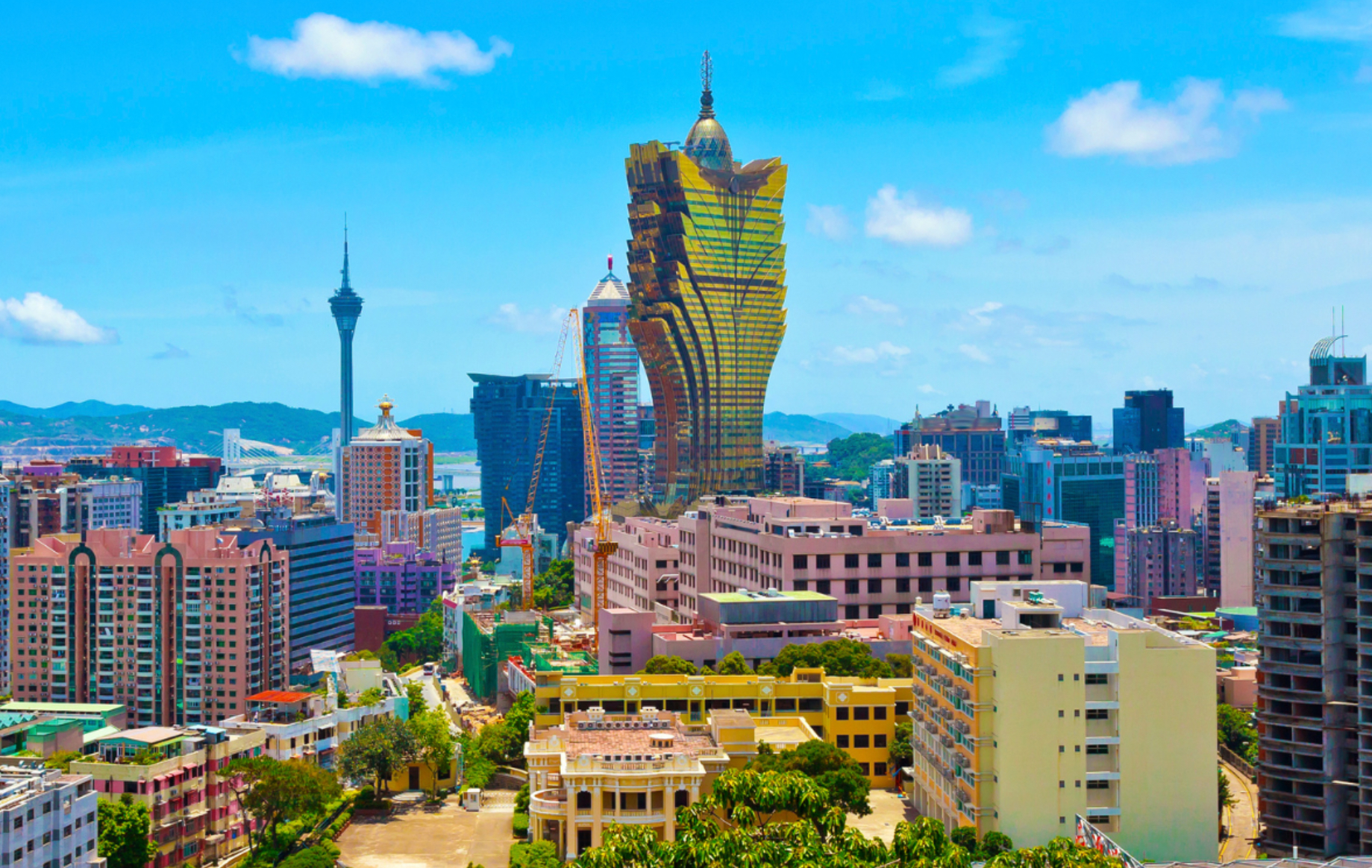
History, Food and Etiquette of Macau

My sister and I embarked on a ferry journey from Hong Kong to Macau, where upon submission of our passports, we were issued a paper insert akin to a train ticket before boarding. Upon arrival at the Macau ferry terminal, we effortlessly wheeled our suitcases to the complimentary bus services that transported us to our hotel-cum-casino. 

The luxurious accommodations and impeccable service at the hotel pleasantly surprised us, showcasing the advantages of staying in casino-affiliated establishments. After settling into our rooms, we donned our comfortable walking shoes and ventured down the main street to admire the charming Portuguese-inspired architecture that graced the cityscape.

Macau's story begins before explorers investigated new lands for trade, and colonisation. It belonged to the vast Ming Dynasty. It was in the mid-16th century. Portuguese traders arrived using it as a trading post in 1557, looking for new wares to take back to Europe and expand their empire.

An agreement allowed the Portuguese to settle on the Macau peninsula in exchange for rent and adherence to Chinese laws until 1887. This agreement laid the foundation for the world's first and longest-lasting European settlement in China until its handover in 1999. Today, it is a significant resort city and a top destination for gambling tourism and is more critical than Las Vegas.

The first known written record of the name "Macau", rendered as "A Ma Gang", is found in a historical material from 1555. It is a particular administrative region of the People's Republic of China.

Over the next 400 years, Macau flourished as a trade hub. European and Chinese cultures intermingled, creating a unique blend evident in its architecture, cuisine, and traditions. Now that it has become a major destination for economic thrill seekers, a new influence of Western luxury clientele etiquette has made its mark. What does this mean for locals and short- and long-haul travellers?

Etiquette plays a vital role across various facets of life in Macau, from business, dining, hospitality, and tourism. Visitors to Macau are encouraged to familiarise themselves with these etiquettes to ensure an enjoyable experience in Macau’s multicultural environment.

Respect for Elders: Confucian values heavily influence Macau's society, emphasising respect for elders. It's customary to address elders with deference and to offer them precedence in social situations.

Greetings: Traditional Chinese greetings involve a slight bow or nod of the head, often accompanied by a handshake. Addressing someone with their title or honorific, followed by their surname, is considered polite.

Gift Giving: Presenting gifts is a common practice in Macau, especially during festivals or social gatherings. Gifts are typically exchanged with both hands as a sign of respect. Avoid giving items in sets of four, as the number is associated with death in Chinese culture.

Language and Communication: While Portuguese is one of Macau's official languages, Cantonese and Mandarin Chinese are predominantly spoken. Learning a few basic phrases in either language can go a long way in showing respect and getting around faster.

Dress Code: Macau's dress code is generally conservative, particularly in formal settings and religious sites. Modest attire is expected, with women often opting for dresses or blouses and skirts, while men typically wear suits or dress shirts and trousers.

Tipping – You will find that restaurants will include a 10% service charge in the bill, while hotels may even levy a higher 15% charge. While tipping is not actively discouraged and won't be refused if offered.

Dining etiquette is particularly significant in Macau's rich culinary culture. A study by Jong-Hyeong Kim et al. (2023) emphasises the importance of understanding cultural factors such as customs, beliefs, and social norms that shape unique tourist dining experiences. These cultural intricacies contribute to the overall uniqueness of Macau's gastronomy scene, highlighting the need for tourists to be mindful of local dining customs to enhance their experiences.

One of these tips when ordering and earing Macanese food, you will need either implements which are chopsticks or a spoon and fork. Here is a list of mouthwatering gastronomic foods that you will find there:
• Porco Bafassa – Slow cooked stew with turmeric, pork and potatoes.
• Capela – minced meat with potatoes, chirozo, bacon, olives and tomatoes.
• Portuguese Chicken – Slow cooked with chicken, curry and potatoes, alternative toppings are eggs, sausage and olives, turmeric and coconut milk.
• Tacho – Casserole with cabbage mixed with pork skin, pork knuckles, chicken wings, roasted pork and Chinese sausages.
• Minchi - Minced beef or pork which could be served together with diced potatoes.
• Pork with Balichao and Tamarind – Casserole with cabbage, sausage, red beans, black beans, pig ear and pig knuckle.

Interestingly, Macau’s etiquette has been shaped by the many Westernised hotels and casinos that have slowly filtered through from places such as America and Australia. These hotels extend to conditional hospitality, as described by Luofu Ye (2018) and as noted by Yi-weiChang and M. Polonsky (2012); their study indicated the importance of polite and respectful interactions in maintaining a high standard of hospitality. Furthermore, the role of etiquette in shaping tourist behaviour and enhancing their experiences is critical in the multicultural context of Macau. You will find those in customer service in these hotels from China, Pakistan, Bangladesh, India and the Philippines.

You don’t need to be in Macau long to experience its fantastic history and note the difference in Asia. My sister and I loved being there; the cultural mix was unique. Macau is recommended for a one- to two-day stay that is easily accessible via Hong Kong.


For many years, Etiquipedia contributor, Elizabeth Soos, has had a keen interest in cultural customs. With her European background and extensive travel, Soos developed an interest in the many forms of respect and cultural expectations in the countries she has visited. With her 20 years’ experience in customer service within private international companies based in Australia, and her lifetime interest in manners and research, she decided to branch out into the field of etiquette and deportment. Through her self-directed studies and by completing the Train-The-Trainer’s course offered by Emma Dupont’s School of Etiquette in London and by Guillaume Rue de Bernadac at Academie de Bernadac based in Paris and Shanghai, she founded Auersmont School of Etiquette. Elizabeth is currently traveling throughout India and brushing up on her Hindi.

 🍽Etiquette Enthusiast, Maura J. Graber, is the Site Editor for the Etiquipedia© Etiquette Encyclopedia